
Opinion
AI devices need to look good
AI devices need more than features: they need a design that fits naturally into daily life. I explore this through the idea of replacing glasses and other things we already wear.
First published:note · This article and photos are reprinted from note.
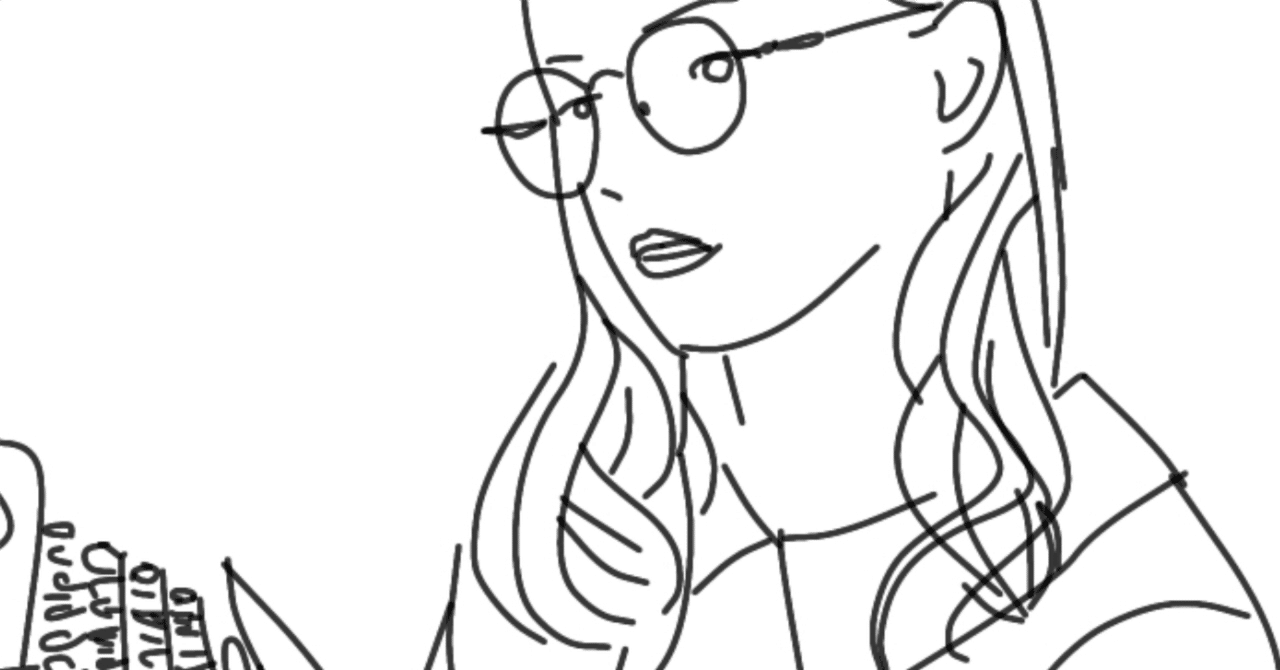
Let's start with the conclusion. AI devices cannot survive just by being convenient. It is an absolute condition to be "cool" - to have a beautiful appearance, a clear reason to own, and to blend into daily life without being a nuisance. If you're going to make me carry another device, my life has to be overwhelmingly lighter.
Our lives are already full. Our pockets are bulging with smartphones, our wrists are running with notifications, and at night, we start the charging ritual in a sea of charging cables. Which cable is which, what percentage is the battery, how many devices did I worry about today? I'm genuinely excited about the future of AI. But if I'm told to take on "another device", "another cable", or "another startup procedure" in order to receive that future - that's no joke.
There are only two ways to win
There are only two ways to win: creation or replacement.
Looking back at history, the path is simple. One is to create a new category that no one has experienced before, which is "creation". Mobile phones that made it possible to make calls outside the home and smartphones that allowed us to access the internet with the palm of our hand are typical examples. People have taken on the burden of adding a new designated seat to their lives in order to welcome this revolution.
The other is to replace existing habits or devices with something overwhelmingly smarter. Film has given way to digital, CDs to streaming, and wristwatches to smartwatches. The number of things we carry has decreased, rituals have become simpler, and our lives have become lighter, shifting quietly but surely in that direction.
The former is extremely rare. In modern times, we are saturated with digital information, and our attention is maintained by a thin thread after a tug-of-war. Therefore, the only realistic way to win now is the latter - replacement. AI devices that are well-designed are, without exception, designed to take over existing habits or designated seats.
The conditions for replacement to be established
Addition is difficult. Replacement is easy.
People's lives are prone to breaking down when they are added to quickly. When a device increases by one, it means that the number of shackles on our feet increases by one. Startup, connection, charging, carrying, updating, and interrupting our attention. The small friction that is generated gradually drains our daily energy.
On the other hand, replacement is easy. If it's just a matter of replacing something we've been using with something smarter, the ritual doesn't increase. Wristwatches become smartwatches, earphones become completely wireless, and glasses become subtle HUDs. Only things that don't increase the "steps" in our lives but rather smooth them out can last long.
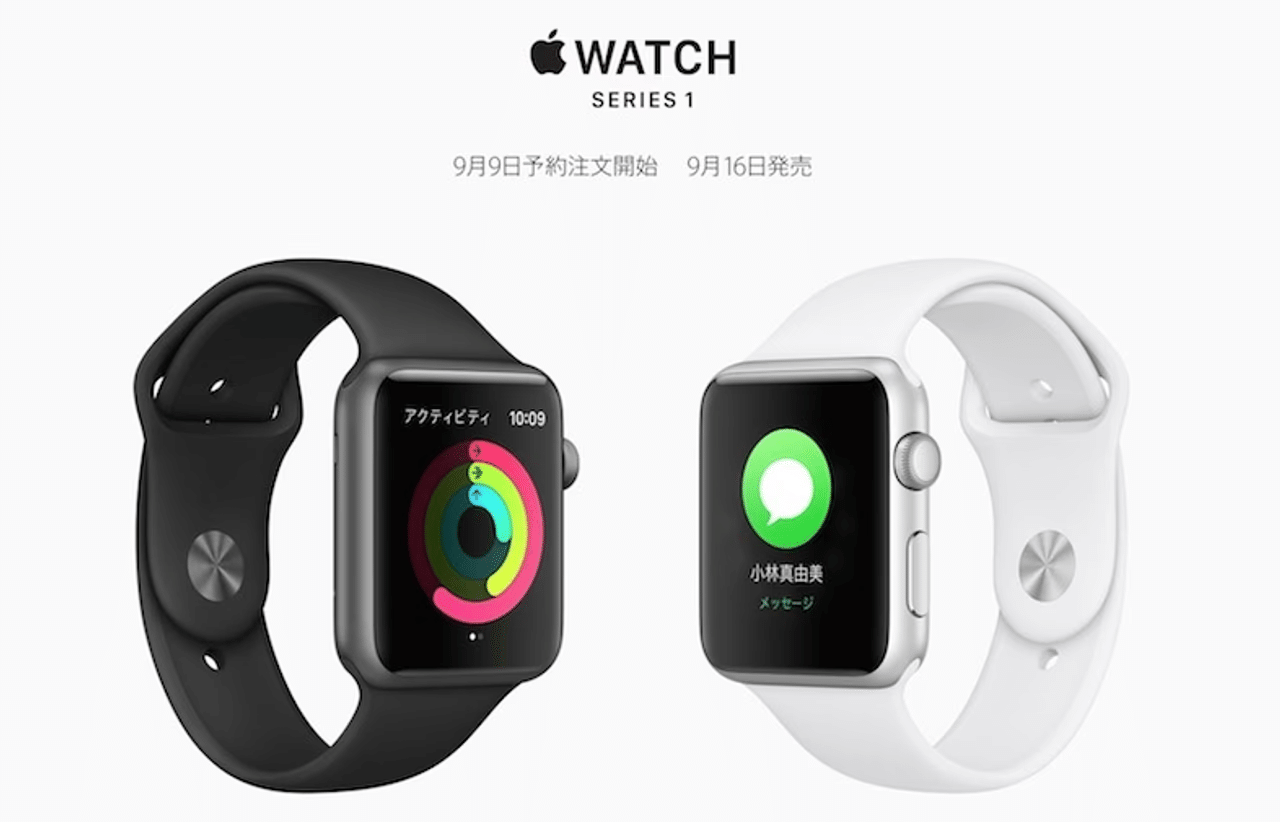
The wall that AI devices need to overcome is not specs, but the wall of non-daily life. Being able to use them without taking them out, being able to complete tasks within the range of our line of sight, nods, or whispers, without making us go through the ritual of startup or connection. Being able to forget their existence from morning to night after turning them on, having an ordinary appearance that doesn't make those around us anxious, and making the wearer's behavior more beautiful. Sitting in a seat that is already familiar to our body, not a new one - glasses, wristwatches, earphones, chest pockets. The battery and weight are within a range that can be continued every day, and the necessary rituals can be reduced to a weekly rhythm. Only when we reach this point can the unique value of AI, such as context prediction, time-shifted summaries, and peripheral translation, stand out naturally and not excessively.
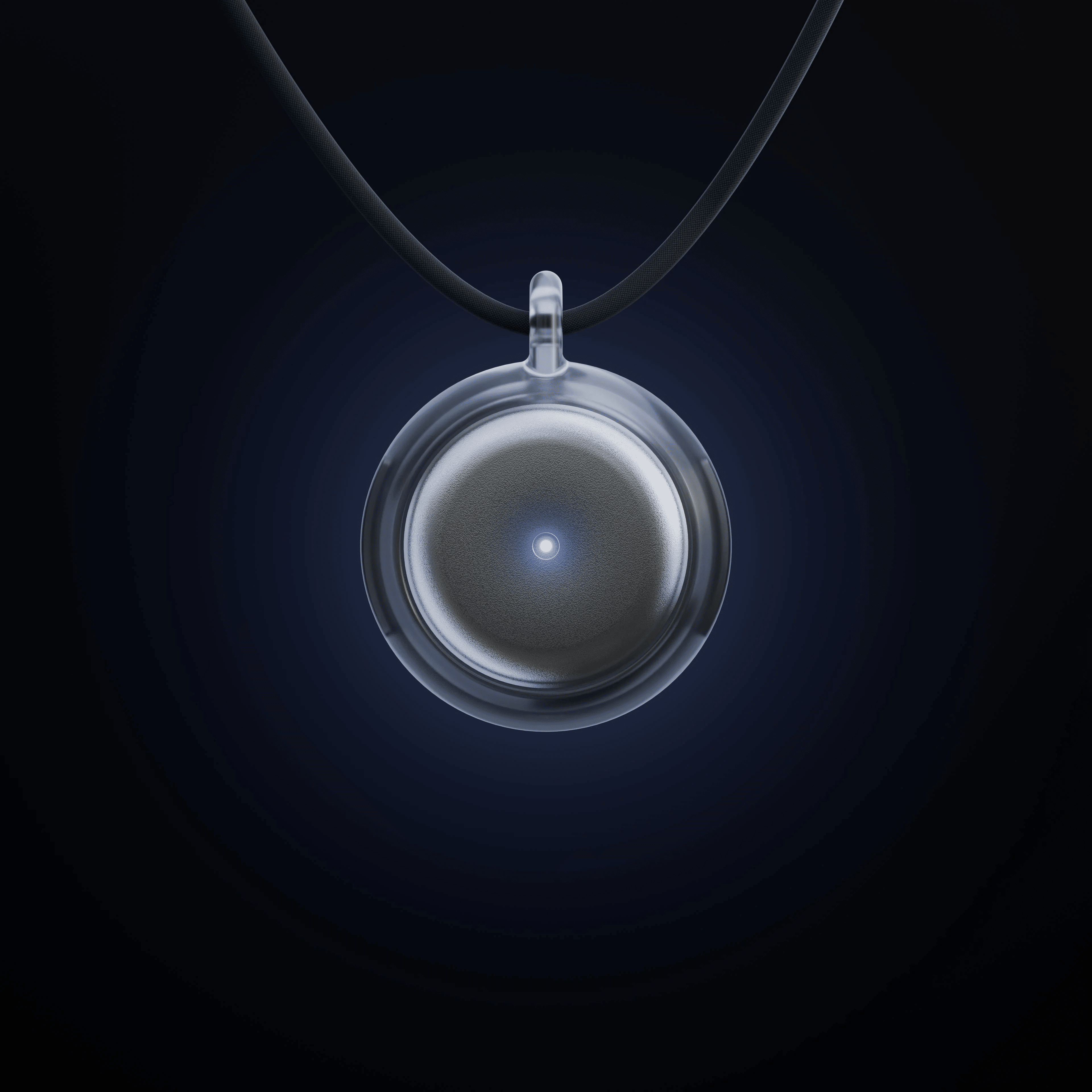
The opposite is also clear. Products that make us carry a new box in our chest pocket or a new clip on our waist, which are of the "carry another thing" type, will be left at home as soon as carrying them becomes a hassle. New products must seriously face this challenge.
Is it really stylish and cool?
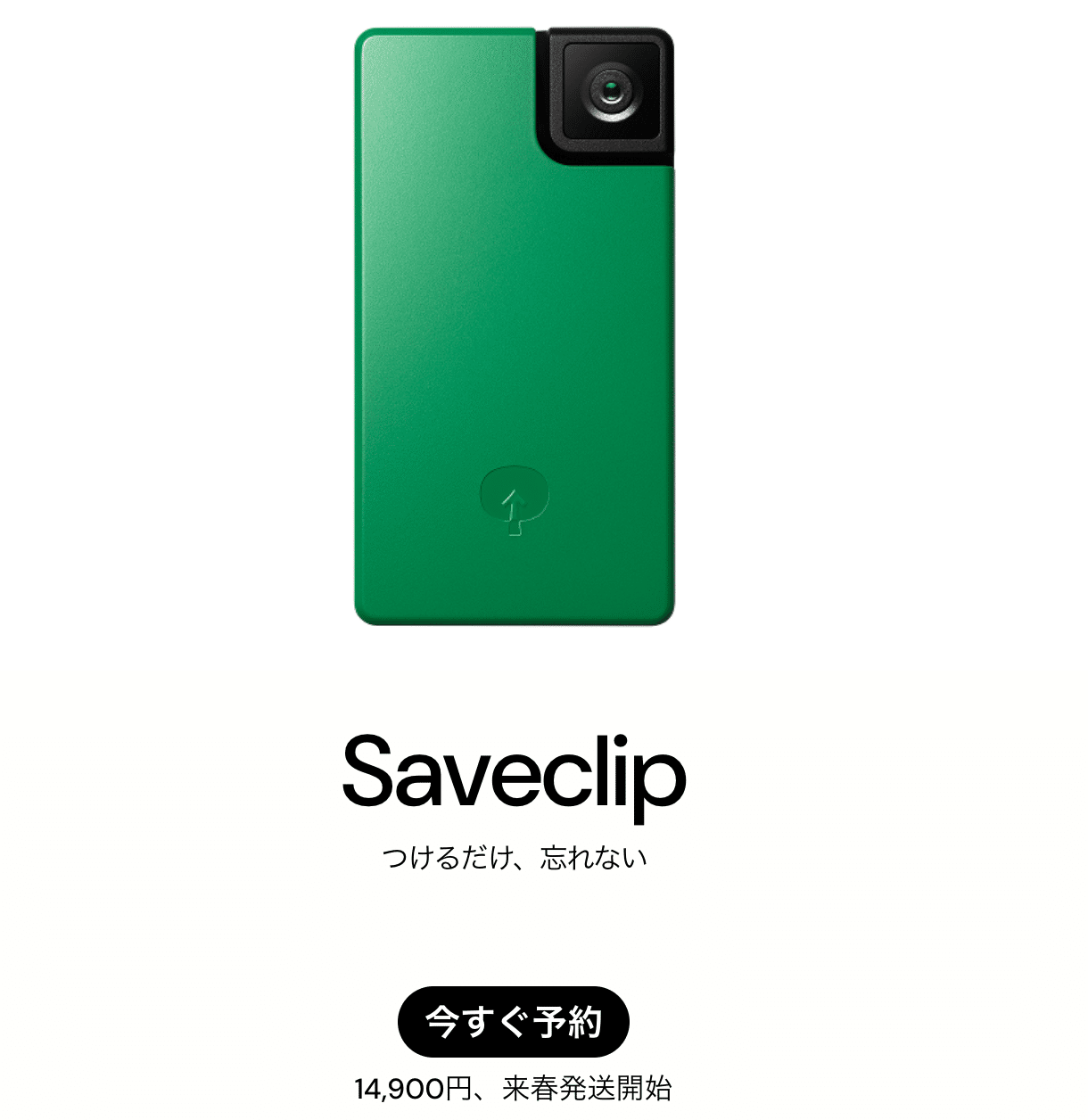
The "new ritual" of starting up every morning, pairing every time, and charging multiple times every night eats away at the experience value with its learning cost. The "show-off" type that relies on notifications that occupy our field of vision or exterior appearances that stand out in public will not last long. If the role-sharing with smartphones is ambiguous and notifications are duplicated, our attention will be constantly torn apart. The victory or defeat is decided not by the "total amount of functions" but by the "total amount of friction".
The designated seat to sit in
If we're going to replace something, where should we sit?
Glasses are suitable for lighting up only the minimum necessary words or arrows in front of our line of sight. An ideal HUD is one that can be called up with a glance and disappears immediately. Wristwatches are devices that can finish tasks with a slight vibration of the wrist and a glance, freeing us from the grand ritual of taking out and unlocking. Earphones become resident listeners in our ears.
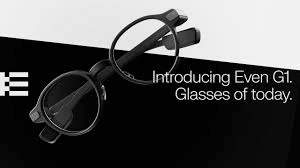
All of these are things that people originally wore. AI devices that cannot sit in these seats will end up being "extra luggage" forever.They must become regulars that we would go back home for if we forgot themin order to do so.
Conclusion
The key to design is to verify with questions. Can it be used without taking it out? Can the display be understood in one second? Is it less noticeable to those around you? Can you finish it on the spot? Is it competing with smartphones, taking away moments and continuing? Is the experience always quiet? Can you use it without worrying about the battery during the day? Does the time spent not wearing it have meaning? Can you start using it without hesitation from the first day, with rules established? Does the ritual decrease as you continue to use it?
Even so, if you aim to create, you need two determinations. The determination to wrap new rituals in pleasure that people will gladly accept, and to re-educate the rhythm of life. And the determination to prepare a story that will overwhelm the price and inconvenience for several years, and to take on the initial cost and incomplete aspects head-on. If this 'creation' doesn't sink in, it will usually just end up increasing the number of 'new boxes'. But I think humans haven't experienced this revolution since the invention of mobile phones and notebook computers.
I'm the type who has a rejection reaction when told to 'hold one more thing'. That's why I'm strongly drawn to the idea of sitting in designated seats on the side of my face (glasses) and on the side of my chest (pocket/pendant). My line of sight adjusts the 'now', and my chest is useful for 'later'. If life becomes lighter in two layers, I want to put AI there.
AI has become smart enough. From now on, what will be asked is 'aesthetics'. What settles into people's lives is not a high-scoring bench, but a routine that gets used to the daily body temperature. Not an addition, but a replacement. Not showing off, but disappearing. Not making someone hold it, but making it fit.
That's why new wearable devices must becool, or they're no good