Opinion
Make your smart glasses handier with a 3D printer
A roundup of small accessories to print first if you own both smart glasses and a 3D printer. Ear pads and temple covers for the Even G2, a drop-prevention ring for the Even R1, light-blocking parts for XREAL, and a camera cover for Ray-Ban Meta, picked from free models on MakerWorld and Printables. Entry-level printers are also cheaper in Bambu Lab's Black Friday sale.
If you own smart glasses and a 3D printer, print these first. Sore ears, light leaking into the display, a ring about to slip off — most small annoyances with smart glasses can be fixed with a free model.
Official accessories barely exist. Every model has a different shape and sells in small numbers. Instead, the people who use them make their own and publish them. I picked the examples by what each pair of glasses actually needs.
New ones keep coming. On November 12, 2026, a drop-prevention ring for the Even R1 was published on MakerWorld by a user in Japan. Around Even, practical prints keep coming out of the Japanese community. Ratings and other figures are as of November 13, 2026.
Sore ears? Start with ear pads that print in 32 minutes
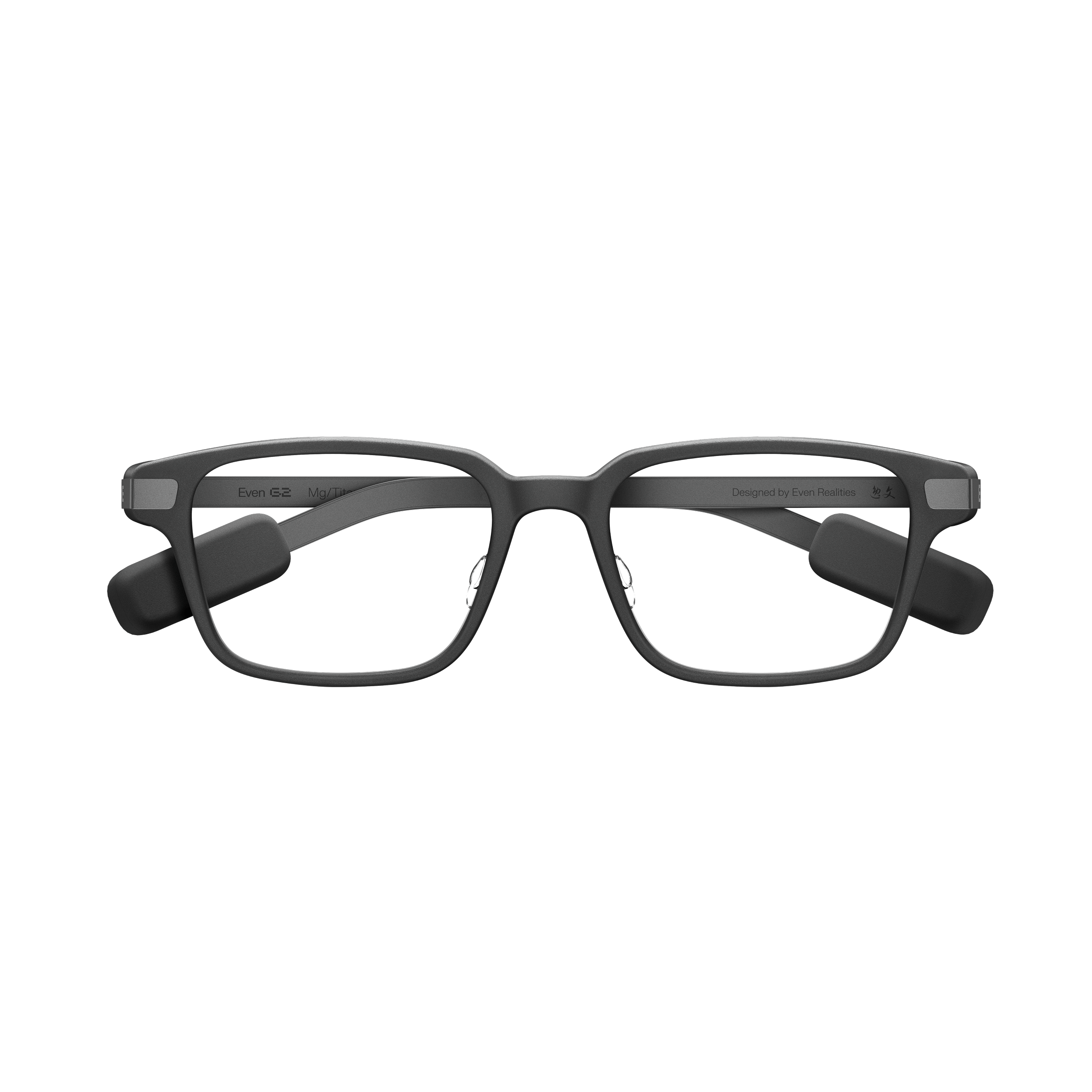
The Even G2 has slim temples built for lightness, and wearing it for long stretches makes your ears sore. One report on X said the included cover came off and their ear started hurting. There are already three fixes for this.
The easiest is a round ear pad that clips onto the part that touches your ear. It prints in 32 minutes. If only one ear hurts, put one on that side only. There is also a spacer that adds thickness and roundness to the temple, held in place by shifting the silicone band that comes with the G2.
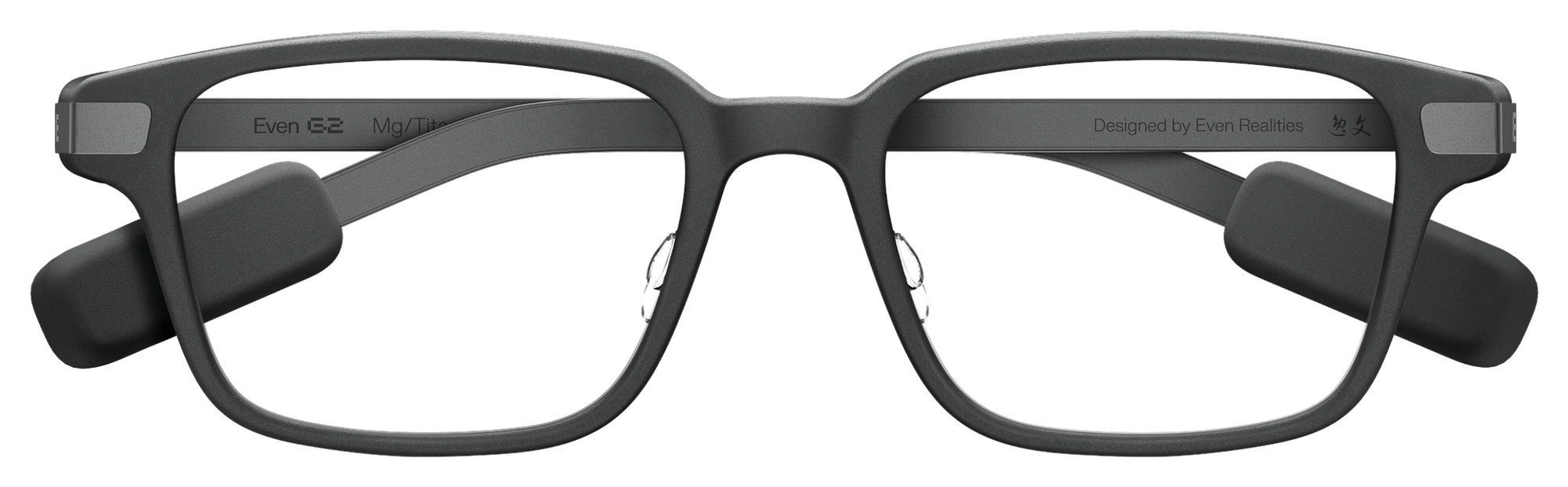
For full coverage, there is a TPU cover that wraps the whole temple. It is 110 mm long, in two cross-sections: a slim oval and a wide, flat 'kishimen' shape. It prints in TPU 95A with no supports. Change the filament color and you change how the frame looks, too.
Don't want to drop it? A plain ring does the job — R1 accessories are piling up
The Even R1 is a ring-shaped controller, small enough that dropping it would hurt. The stopper ring published on November 12, 2026 is a plain band you wear on the finger next to the R1. It comes in 0.5 steps of US sizes, sized by inner diameter instead of Even's own sizing. If it doesn't fit, print the next size. The maker says he had an AI build and publish the model during a meeting.
You can print its home, too. The R1 charging stand holds the charger in the middle and winds the spare cable inside the base. It prints in 56 minutes — one print gives your desk a fixed spot for it.
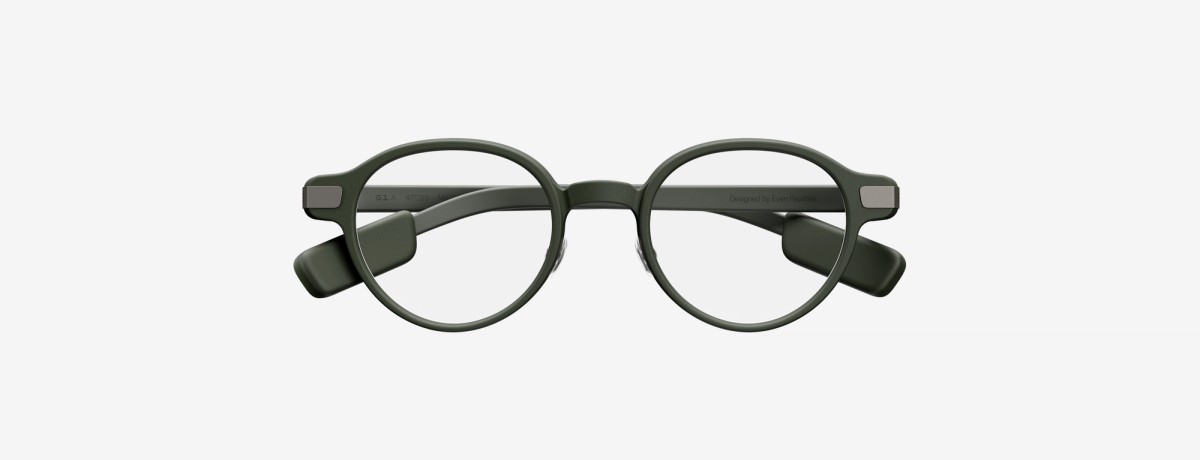
There are carrying ideas, too. Even's official sun clip for the G1 comes with no pouch. A case has been made for it, with a lid that closes on 6×1mm magnets.
Another maker went the other way and avoided magnets. Most glasses holders that clip onto clothes are magnetic, which raises questions around smart glasses. So a holder was made from 3D-printed parts only, with no magnets at all. It is not made for one model — it works with glasses in general.
Light leaking in? Print a shade and add it on
Monitor glasses draw their complaints around the picture. You wear them, find where the light leaks, then adjust the shape. That kind of iteration suits printing, where you can print, test, and reprint.
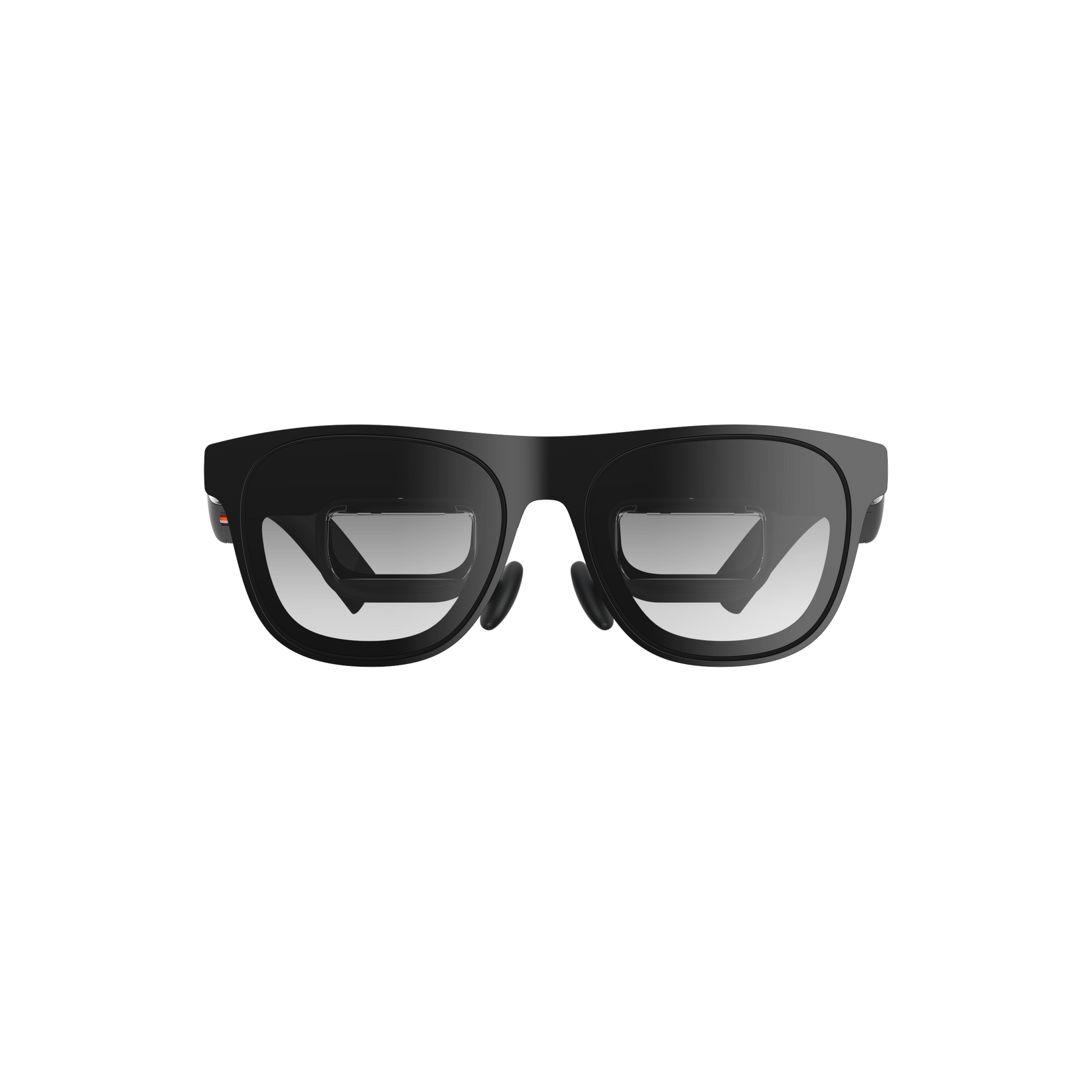
For the XREAL One, there is a screen shade that cuts light coming from below. Newer models stopped including a shade, so the maker printed his own.
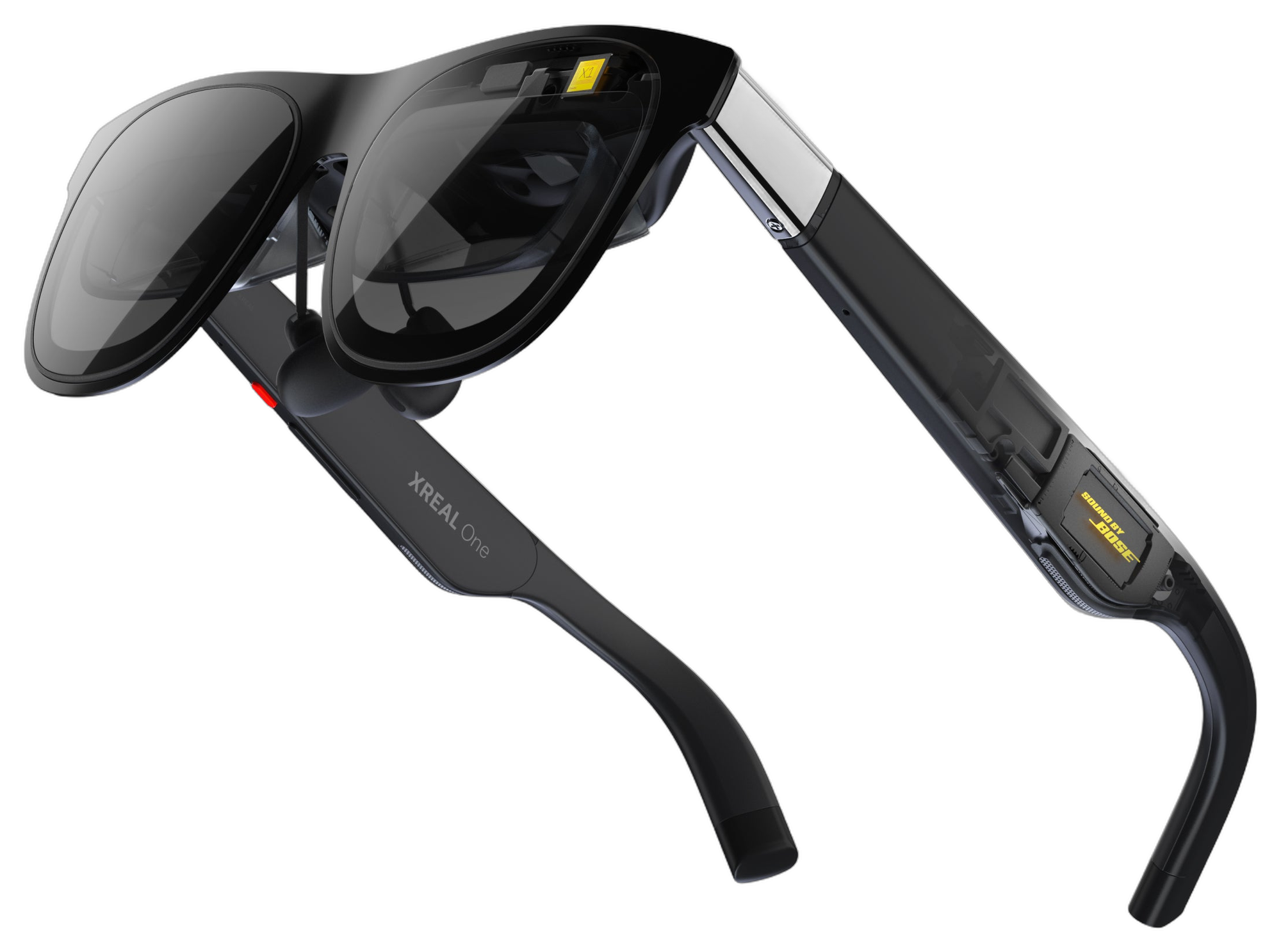
A nose pad with a built-in shade kept being revised to fill the gaps where light leaked, until it worked with the XREAL Eye attached, with updates continuing into January 2026. There is also a face cover for the One Pro that blocks the light around you when watching movies.
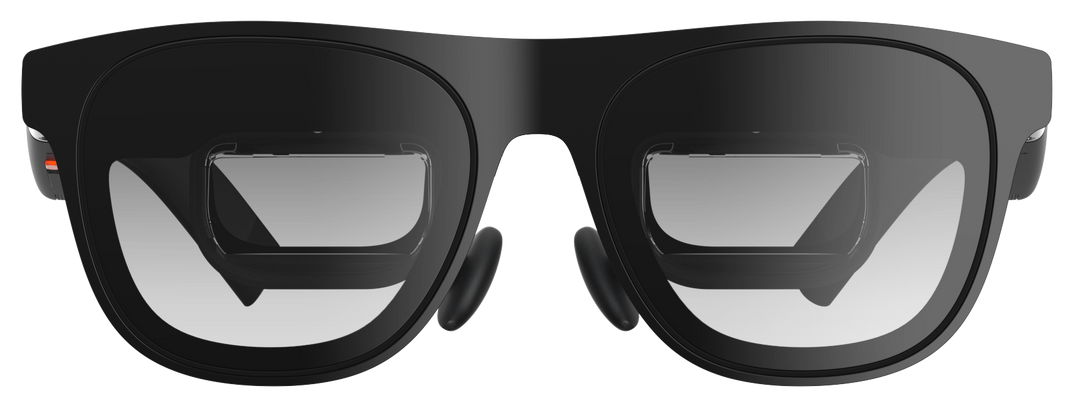
There is a fix for sound, too. The flaps for the XREAL Air are small plates that bounce the speaker's sound back toward your ears. Versions are provided for TPU and PLA.
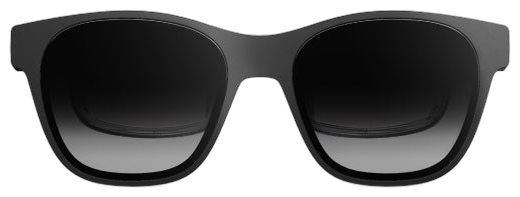
Reusing what you already have is handy, too. An adapter lets you use a prescription frame made for the XREAL Air 2 Pro on the XREAL One. Prescription lenses cost money and time to make, so reusing them takes one burden off switching devices.
For storage, there is a hard case for the One Pro. It is sized to fit the Power Play Hub video hub as well, and the inside is lined with felt.
When you don't want to shoot, put a cap on the camera
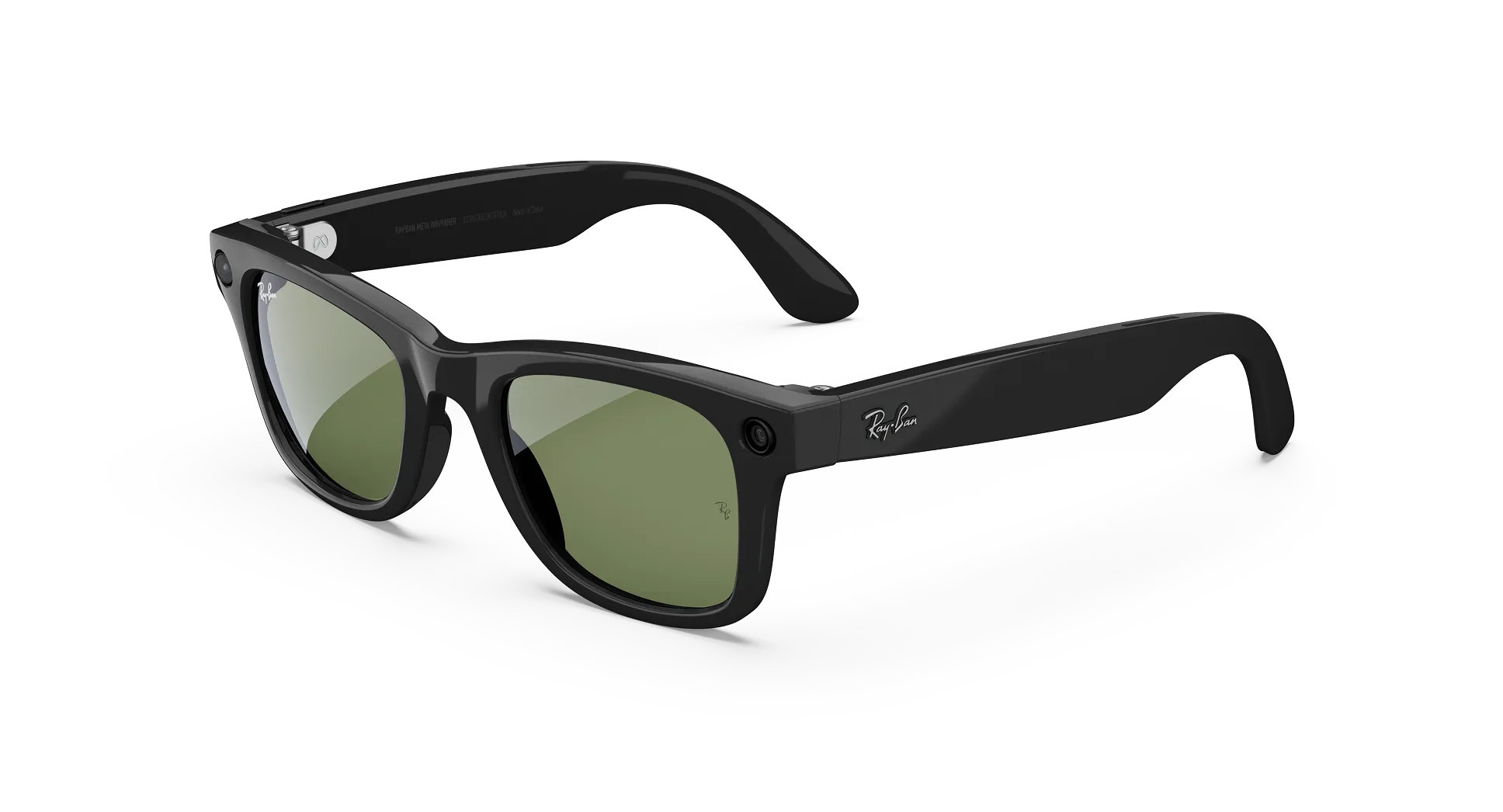
Camera glasses need accessories for not shooting. The privacy cover for the Ray-Ban Meta snaps over the camera and physically blocks it. The maker states clearly that it is not for covering the recording LED: people around you still know when you are recording, while the camera itself is stopped. It comes in four shapes, with colors to choose from.
For storage, there is a holder that hangs the charging case on IKEA's SKÅDIS pegboard, and a tray for the leather case. The tray doesn't block the charging port, so the glasses charge while sitting in it. A version for the Gridfinity storage grid exists, too.
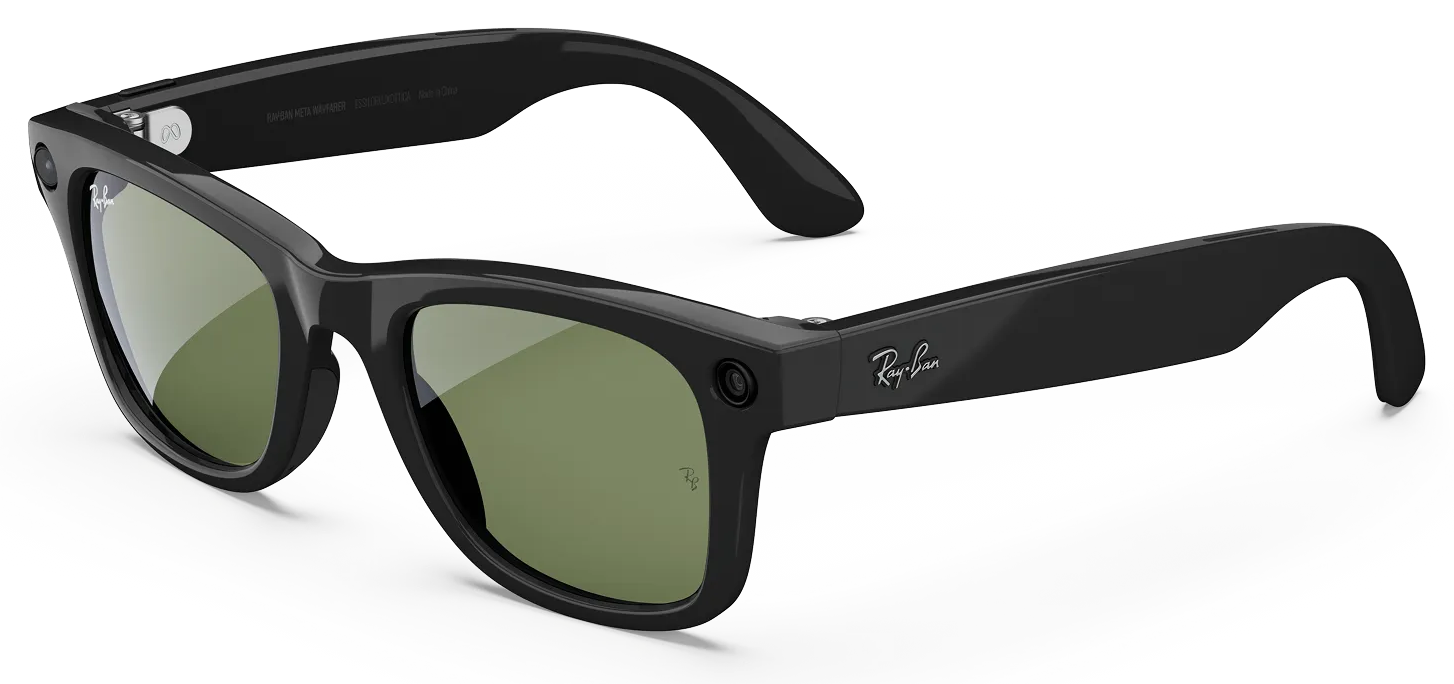
Some prints work across models. A desk stand shared by VITURE, RayNeo, and XREAL cradles the glasses on the nose pads, with a hook on the back for a USB-C cable. Keeping glasses off the desk surface avoids dust and lens scratches. For Oakley Meta, there is a print that turns the original sunglass lenses left over after switching to prescription into clip-ons. Reusing spare official parts is the same idea as the XREAL prescription frame adapter.
Every model is free. Own a printer? You can start tonight
Every model above is published free on MakerWorld or Printables. Download the data, print it on your own printer, done. Most of them gather on MakerWorld, Bambu Lab's model-sharing platform, which connects straight from Bambu Studio to printing on Bambu printers.
If you already own a good printer, the only extra cost is filament. I use a Bambu Lab A1 mini. TPU prints like temple covers and ear pads, and PLA/PETG prints like stands and cases, all run on a printer of this class.
It is also a good moment to start. Bambu Lab's Japanese store is running a Black Friday sale from November 13 to December 10, 2026. The entry-level A1 mini starts at ¥26,000, down from ¥29,800, and the A1 starts at ¥41,000, down from ¥48,800 (tax included).
When something bothers you, look for a model first. If there isn't one, someone will make it sooner or later. As long as you keep wearing the glasses, small annoyances keep coming — so you will never run out of things to print.
Products featured in this article
Compare products in this article →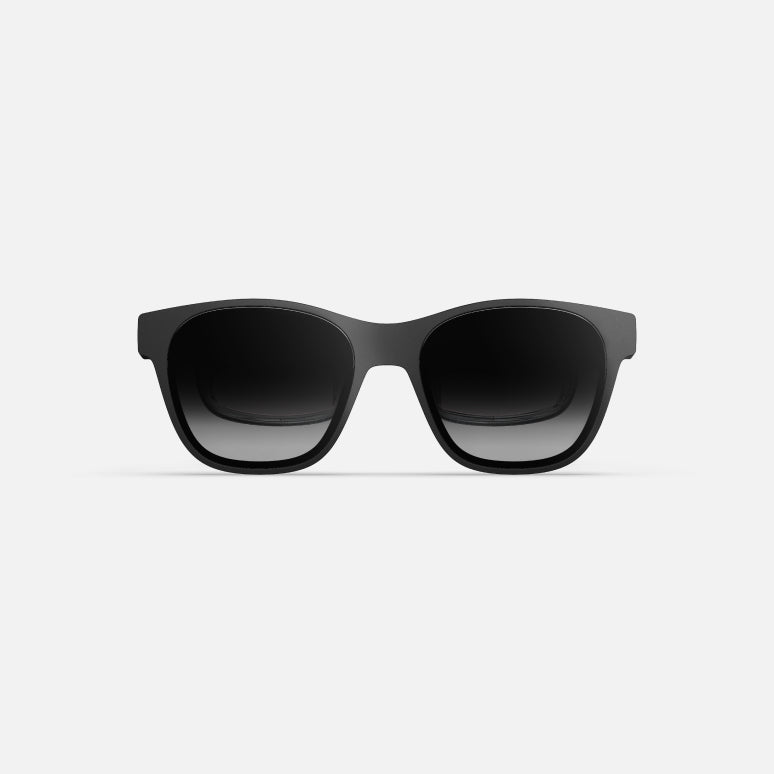 XREAL AirSpecifications, prices, and related articles →
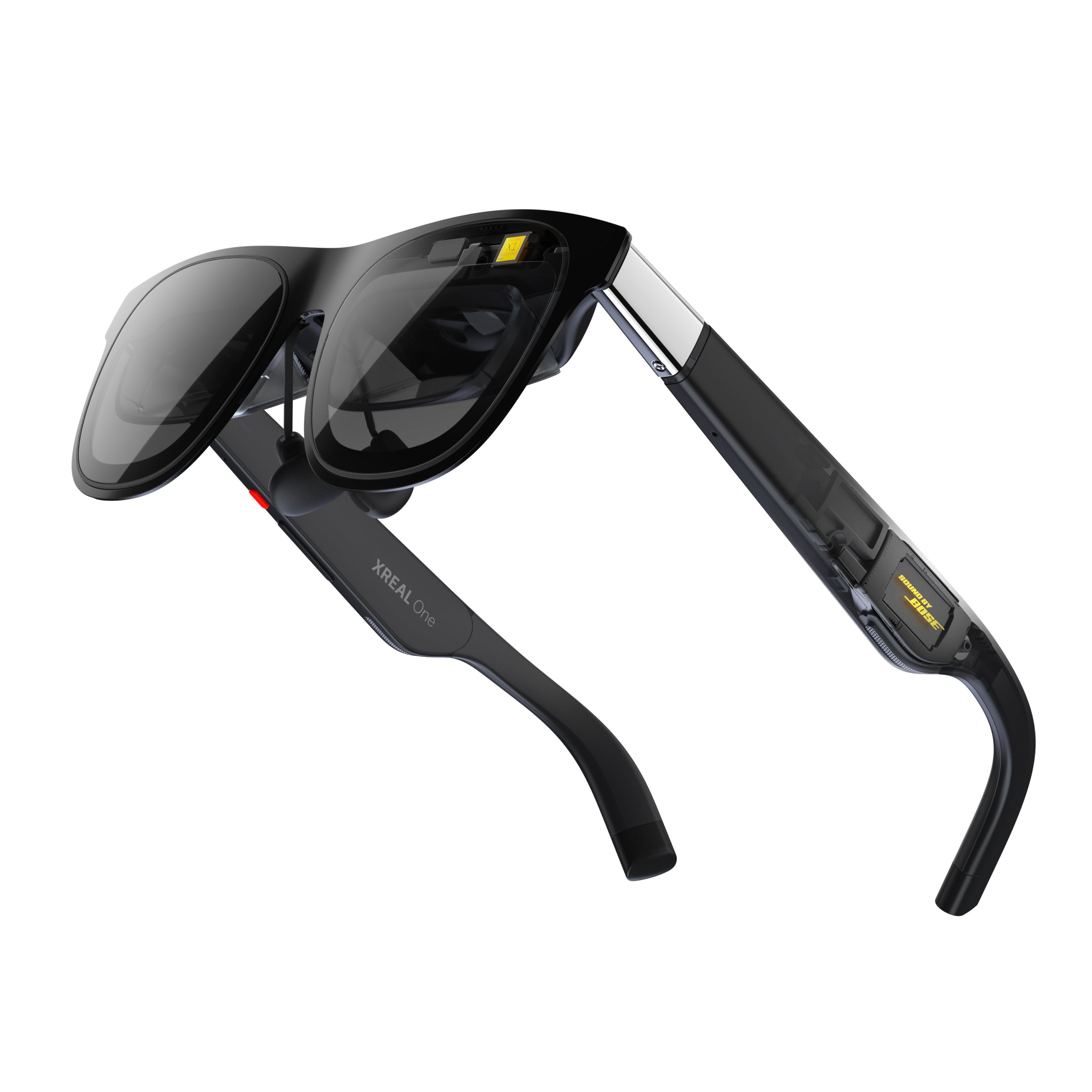 XREAL OneSpecifications, prices, and related articles →
 XREAL One ProSpecifications, prices, and related articles →
 Even G1 ASpecifications, prices, and related articles →
 Even G2Specifications, prices, and related articles →
 Ray-Ban Meta WayfarerSpecifications, prices, and related articles →
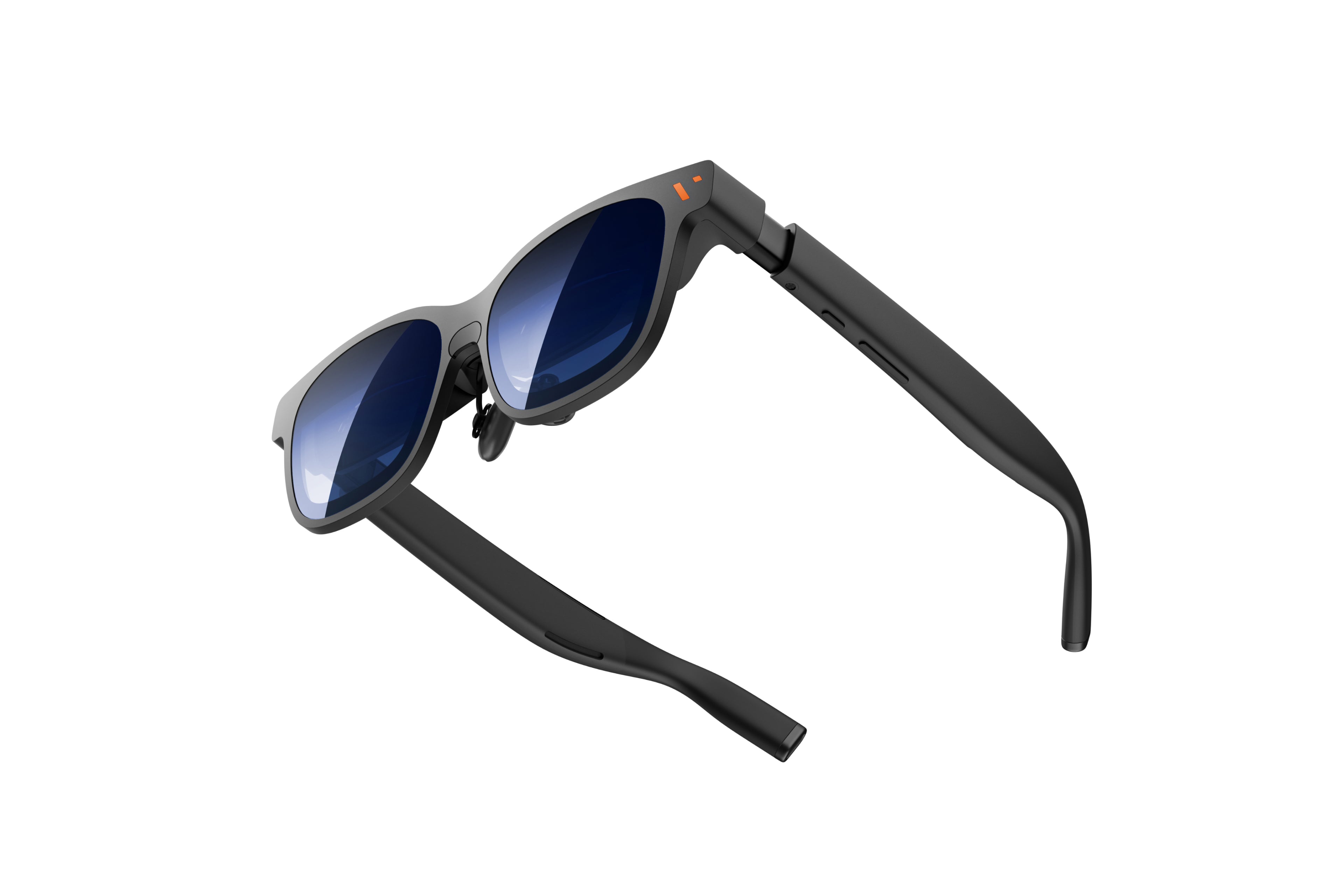 VITURE Pro 2Specifications, prices, and related articles →
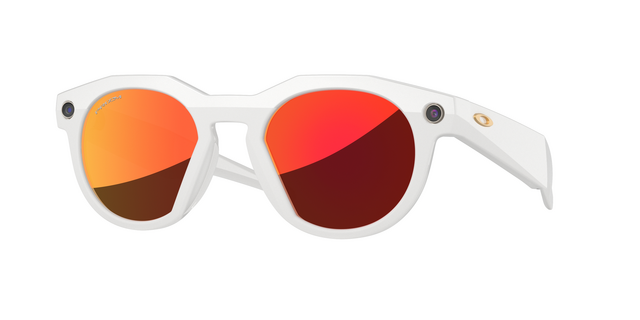 Oakley Meta HSTNSpecifications, prices, and related articles →