
Opinion
Europe issued an initial proposal for smart-glasses rules. Looking ordinary is the problem
The EU data-protection body, the EDPB, adopted a statement on 13 October. The worry centers on camera glasses that look like ordinary glasses, and the text also covers schools, hospitals, and how recording is signaled.
They have a camera, but they look like ordinary glasses. People nearby may not notice they are being recorded. That is the center of the problem.
The EDPB, which coordinates EU data protection, announced on 13 October that it had adopted Statement 1/2026. It set an initial guide on protecting personal data with smart glasses.
Family photos can fall outside the rules. Posting to social media keeps them in
The Chair’s point is simple. There is a worry about being recorded without consent. That is especially true in schools, hospitals, and workplaces, and more so when children are involved.
The rules change with how you use them. Using them for work, or posting the footage on social media, can make the wearer a controller. Private uses such as filming family or friends, or translating for yourself, can fall under the household exemption so the EU personal-data rules (GDPR) do not apply. Other laws still remain. A maker cannot escape its duties by blaming the user.
The main challenge is making it clear that recording is happening. Cues that are hard to ignore, such as an LED or a sound, are needed. The statement says people should be able to tell they are being recorded even in public.
The same worry as the school policy in Victoria, Australia. The person recording should not hide the cue. Everyday glasses without a camera sit more easily outside that worry.
 Even G2
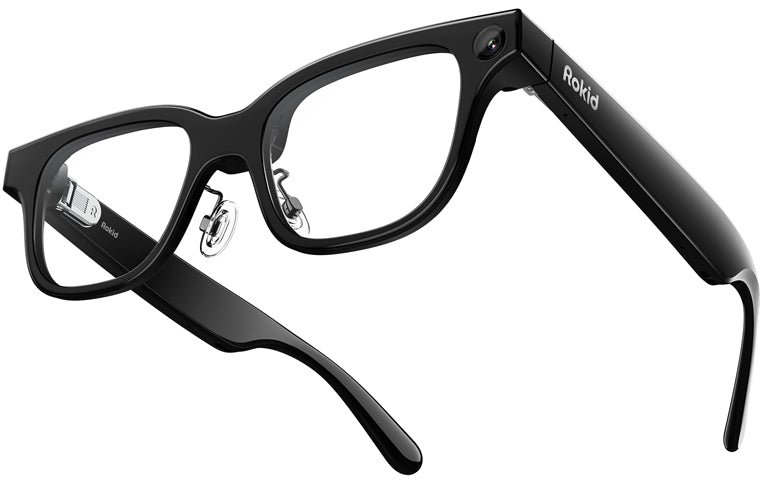 Rokid Glasses