Opinion
South Korea's smart glasses bans are spreading. Inspections at exam sites, military units and companies, and the limits of telling them apart
South Korea's Ministry of National Defense has strengthened inspections of smart glasses across all military units, and since November 1 suspicious glasses have been checked by X-ray. The entry bans that began at exam sites have spread to the military and large companies. This column looks at the limits of frame thickness as a tell, and at how each site has built its checks on the assumption that the devices cannot be told apart by sight.
The places in South Korea where smart glasses cannot be brought in are growing. On November 17, the Ministry of National Defense announced strengthened inspections covering every military unit — guidelines to keep unauthorized devices with camera, recording and communication functions out of military facilities. Entry rules first tightened at exam sites. The movement has now reached the military and the workplaces of large companies. Every site faces the same problem: smart glasses cannot be told apart from ordinary glasses.
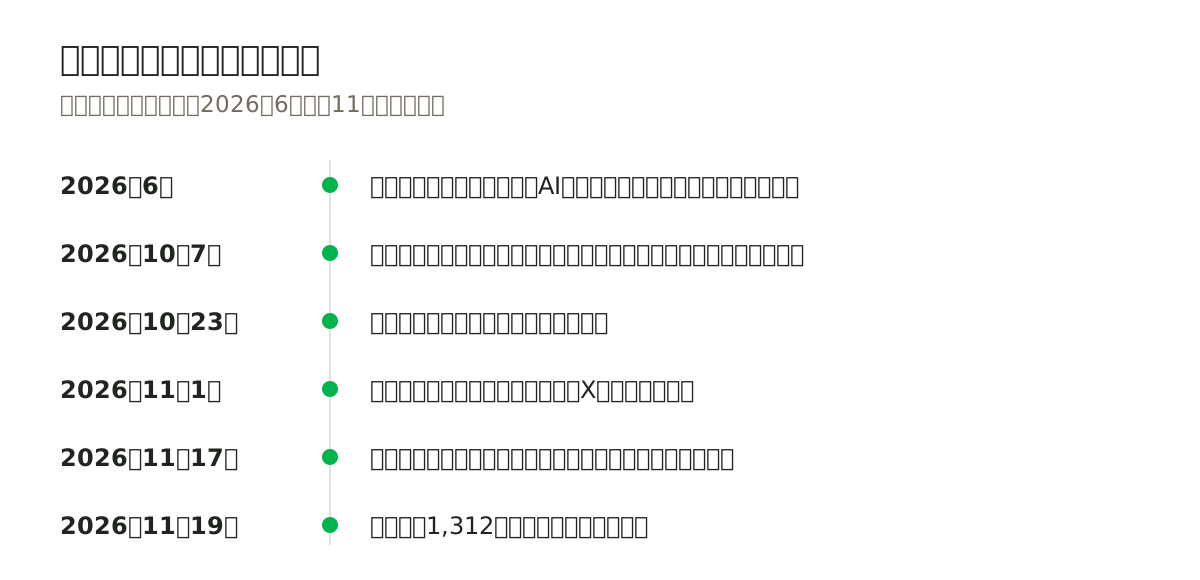
The military's inspections began on November 1. Suspicious glasses go through X-ray
On October 23, the ministry issued its 'guidelines and methods for strengthened security inspection of smart wearable devices' to the entire military, effective November 1. The rules cover unauthorized electronic devices with built-in camera, recording or communication functions, including smart glasses, smartwatches and smart bands. The same inspection applies to people who regularly enter a unit and to outside visitors.
Suspicious items go through an X-ray scanner. Glasses whose appearance suggests built-in functions, such as thick frames, are subject to it. The X-ray shows whether electronic parts such as circuits and batteries are inside the temples. At units without X-ray equipment, military police check by sight and, if necessary, by touch.
The inspection points are set out in detail: a camera lens and LED on the front of the glasses, charging contacts and control buttons on the temples, an excessively thick frame, and any light emission. If suspicion remains, the glasses are handed over and inspectors check the certification marks inside the frame, the maker's name and model, the charging standard and whether a speaker is fitted. The military says no one has yet been caught trying to bring a device in without authorization since the guidelines took effect. Disciplinary standards for bringing in unauthorized devices are to be strengthened through a revision of the ministry's directives.
The trigger was the National Assembly audit on October 7. Cheon Ha-ram, a Reform Party lawmaker on the National Defense Committee, attended the audit wearing smart glasses, released footage filmed inside the ministry building, and pointed out that no rules existed. The defense minister replied on the spot that there were no regulations yet, that the ministry recognized the problem, and that it would act.
Large companies have also started stopping them at the door. Lockers, stickers and prior approval
South Korea's large companies moved at the same time. Samsung Electronics bans filming inside the company with smart devices in principle, and smart glasses may only be brought in with a filming-restriction sticker attached. SK hynix has classified smart glasses as information and communication devices banned from its sites. On November 16 it reminded employees of the security risks and what to do: anyone who brings a pair leaves them in a locker before entering the building, and anyone who sees someone wearing them inside reports it.
Since June, Hyundai Motor has required outside visitors to its Yangjae headquarters in Seoul to declare AI wearable devices in advance and obtain approval. The same procedure applies at all of its domestic research centers and plants. It has also upgraded its inspection equipment, adding an AI function to X-ray scanners that finds electronic device batteries. The LG group treats unauthorized smart devices as banned items, and smart glasses that cannot run its security app must have their lenses covered with a sticker. HD Hyundai has been running security training for all employees and revising its confidentiality agreements since August, and Hanwha Aerospace has told employees since the beginning of the year that AI smart glasses cannot be brought in.
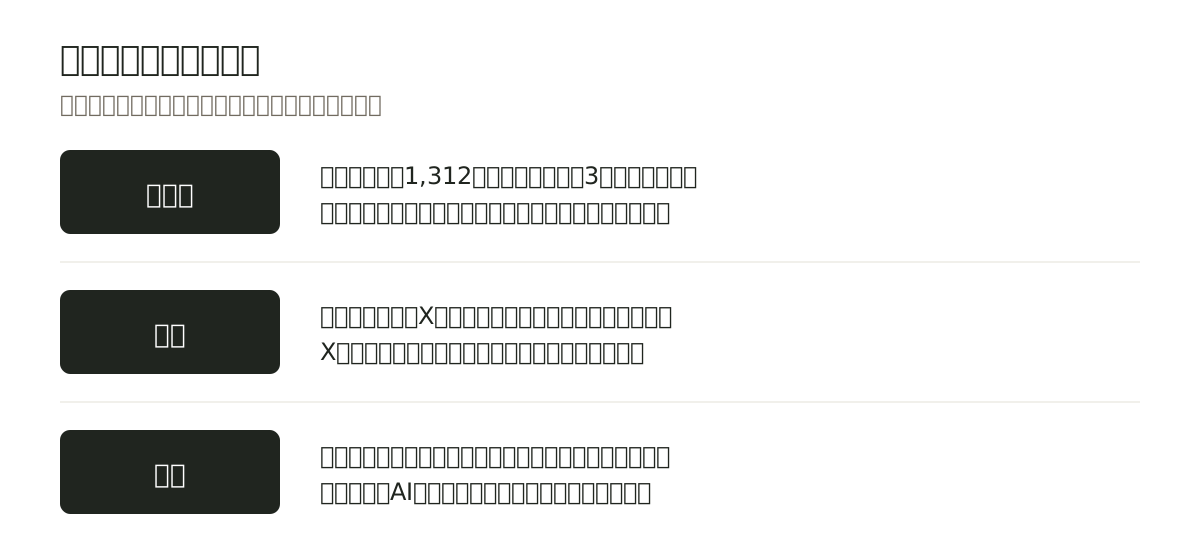 Source imageSmart glasses entry restrictions at large companies, and the military's stronger inspections (The Korea Economic Daily) · Read the source ↗
At exams, the answer was dedicated identification staff and collecting the devices
Exams were where entry rules first tightened. At the Suneung (College Scholastic Ability Test) on November 19, dedicated smart-glasses identification officers will be placed at all 1,312 test sites nationwide. It is a three-stage system: proctors spot suspicious glasses, the dedicated officer checks them, and if the call is still difficult, the city or provincial education office and the Ministry of Education situation rooms confirm by photo and video. The officers receive training with real devices beforehand.
In the tax accountant exam, the top scorer surrendered to police on November 15. What was actually used was not smart glasses but a miniature camera, a smartphone and generative AI. At the prime minister's meeting the next day, November 16, instructions were given to collect all of the examinees' smart devices at the Suneung and to consider shutting down public Wi-Fi at test sites during the exam.
Japan's Common Test states a ban on wearable devices in its Reiwa 8 (2026) application guide. The wording of a ban exists in both countries. Where the difference appears is not the wording, but the system for telling the devices apart and stopping them on site.
A thick frame is only one of the tells
Frame thickness is not the only checkpoint in the military guidelines. A lens and LED on the front, charging contacts and buttons on the temples, light emission. Thickness is one of the appearance-based tells.
Some products, though, cannot be measured by thickness. The Even G2 has no camera, and its appearance is close to ordinary glasses. The RayNeo iO looks like ordinary glasses from a short distance, and even up close the differences come down to details such as the crown. Both are products this site has reviewed, and their appearance has been checked on the actual devices. At least these two cannot be told apart by frame thickness.
An inspector who does not know the products themselves cannot sort them by sight alone at the entrance. That is the reality. Thick-framed glasses can be sent to X-ray, but a product that does not stand out next to ordinary glasses does not fall into the same net.
That is why each site's answer is shifting from telling the devices apart to systems that stop them even when they cannot be told apart. The military chose X-ray checks of circuits and batteries, which do not rely on appearance. Exam sites placed dedicated officers who know the real devices, so that judgment does not rest with one person on the spot. Companies stop devices before entry, with lockers, stickers and prior approval. The shift from inspections that hunt for suspicious items to operations that keep devices out is advancing at all three kinds of site at once.
As the bans spread, ordinary glasses get inspected more too
It is not only smart glasses that get sent to X-ray. Prescription glasses with thick frames receive the same inspection as suspicious items. As the scope of the bans widens, people who do not use smart glasses are inspected more too.
South Korea's moves this autumn are not a record of added ban wording, but of inspection systems rebuilt. Dedicated officers at exam sites, X-ray in the military, lockers at companies. Working from the limits of telling devices apart, each site is redesigning how it stops them. When Japanese exams and facilities strengthen their entry rules, what will be worth more reference than the single sentence of a ban is this design.
SmartGlasses Lab provides identification manual preparation, identification training for proctors, and device appraisal for Japan. Consultations are also accepted before the details are settled. Contact [email protected] .
Related articles
South Korea's defense ministry bans unauthorized AI glasses in military units, with X-ray checks for suspicious frames
South Korea's Ministry of National Defense has issued strengthened inspection guidelines to all units, effective November 1, banning unauthorized devices with camera, recording or communication functions. Glasses with suspicious features such as thick frames are subject to X-ray screening.
Newsis →
South Korea's CSAT smart-glasses measures. Dedicated inspectors and hands-on training at all 1,312 venues
For the Suneung on November 19, 2026, South Korea's Ministry of Education will station one dedicated smart-glasses identification officer at each of all 1,312 test sites. Judgments follow a three-step process, and the officers receive training with real devices beforehand. This article sets out the difference between South Korea, which has moved on to stationing people, and Japan, where preparations still center on the wording.
Naoki →
Korea's tax exam top scorer surrendered over AI cheating. From the rise of suspicion to the surrender
The top scorer of the 63rd tax accountant exam admitted to cheating with a micro camera and generative AI, and surrendered to the police. A short chronological account of how suspicion over a near-perfect score spread, how HRD Korea announced that it had found no abnormality, and how he turned himself in anyway.
Naoki →
Feature: Exams and smart glasses — what South Korea's cases show Japan must prepare for
A feature that lines up, in chronological order, the smart glasses exam-cheating cases that actually happened in South Korea, and organizes the clues for telling the devices apart, the appraisal standards, and the preparation Japanese organizers can make.
Naoki →
The response from the makers of smart glasses. A privacy review before launch, and a model with no camera
As the movement to stop smart glasses from being brought into exam sites and military units spreads, the makers have begun to respond. Gentle Monster ran an internal review of its privacy and security policies ahead of the Intelligent Eyewear launch, and Meta released an audio-only model with no camera. This column traces how pressure from the side doing the stopping has begun to change product design.
Naoki →