Opinion
The response from the makers of smart glasses. A privacy review before launch, and a model with no camera
As the movement to stop smart glasses from being brought into exam sites and military units spreads, the makers have begun to respond. Gentle Monster ran an internal review of its privacy and security policies ahead of the Intelligent Eyewear launch, and Meta released an audio-only model with no camera. This column traces how pressure from the side doing the stopping has begun to change product design.
In South Korea, the number of places where smart glasses cannot be brought in is growing. Exam sites, the military and companies have rebuilt their systems for stopping them, on the premise that the glasses cannot be told apart from ordinary glasses. In the same period, the makers have begun to move as well. One maker is reviewing its privacy policies again for a product awaiting launch, and another is selling a model that has no camera at all. The pressure comes from the same place; the answers point in opposite directions.
Gentle Monster reviewed its policies again before the launch
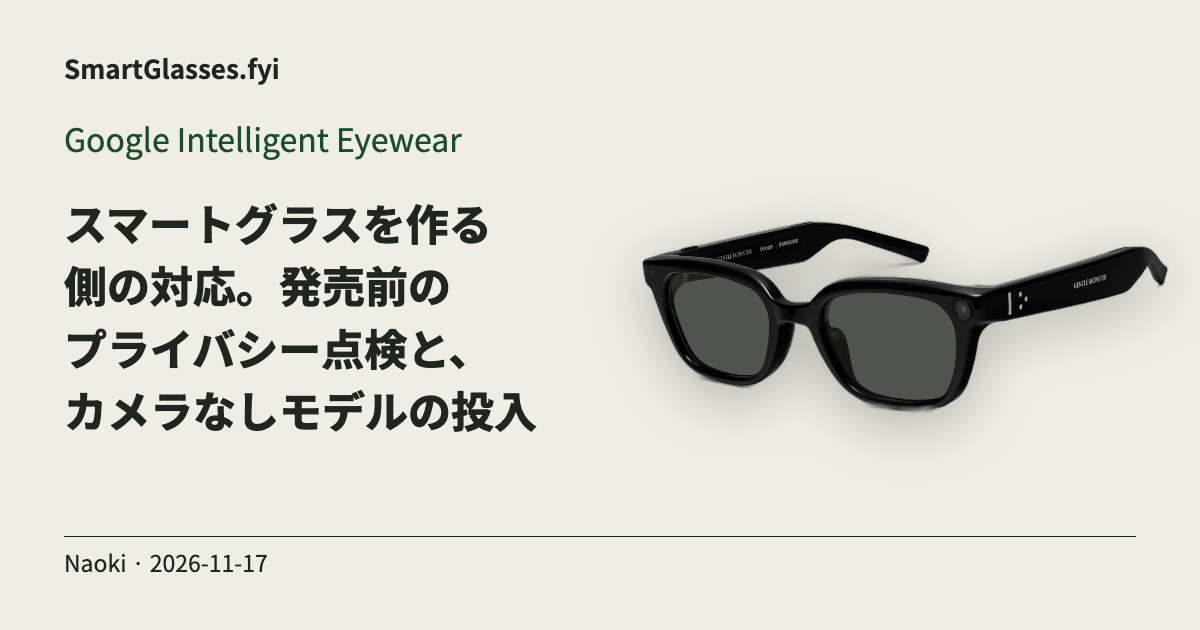
Intelligent Eyewear, developed by Gentle Monster with Samsung and Google, goes on sale in South Korea and the United States in December. It weighs about 41 grams and looks almost the same as ordinary glasses. That indistinguishability is the product’s selling point, and at the same time it has been pointed to as a risk for exam cheating and filming without consent.
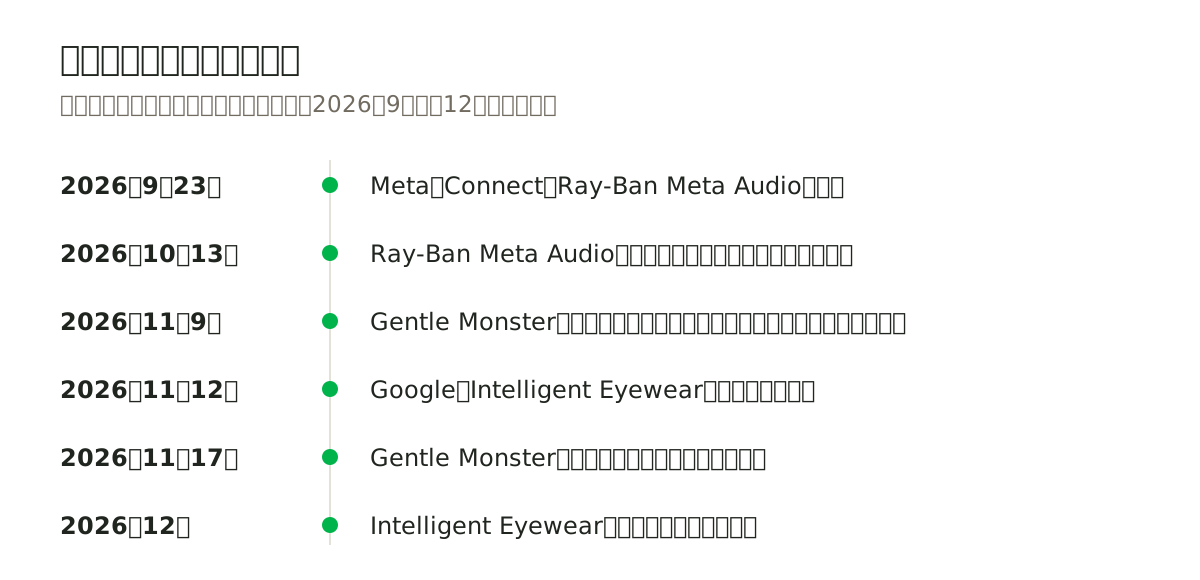
According to Seoul Economic TV, Gentle Monster held internal reviews and discussions on supplementing its overall personal information protection and security policies ahead of the launch. At the product unveiling held in New York on November 9, the company is also reported to have shared its responses to privacy and ethics issues with its partners.
 Source imageIntelligent Eyewear's privacy review and the response to AI glasses (Seoul Economic TV) · Read the source ↗
The design-side safeguards have been in the product since its announcement. Filming is signaled with lamps inside and out and with sound, and filming stops automatically when the outer lamp is covered. Faces of people who appear in the frame are blurred automatically before processing. There is also a physical toggle that stops the camera, the microphone and Gemini together, and with it off the glasses can be worn as ordinary glasses. This review extends the response beyond the product's mechanisms to operations and policy.
The first preorder batch has sold out, and the official store is accepting sign-ups for notifications for a second round. A Gentle Monster official says the company will keep watching security, privacy and ethical use after the launch and will reflect any needed supplements.
Related: Seoul Economic TV reports privacy review and sold-out first preorders for Intelligent Eyewear Related: Google's Intelligent Eyewear is open for pre-orders. Camera glasses with Gemini built in, from $395
Meta put a model with no camera into its main lineup
Meta announced Ray-Ban Meta Audio at Connect on September 23. The company's first audio glasses, they went on sale on October 13 starting at $349. The model is narrowed to music, calls and the AI assistant, and has no camera. It weighs 43 grams, and the frames come in two styles, Clubmaster and Burbank.

The reason Meta puts forward is the popularity of audio. Audio has been the most-used feature since the beginning, Meta writes. The model places a pair that cannot film as a regular option in the same lineup as the camera-equipped flagship models.
Korean reporting describes this model as a move that reduces the room for cheating and filming without consent. For the anxiety of people being filmed, having no camera is the simplest answer the makers can give.
The makers' answer is to reduce the reasons to be stopped
The answer from the side doing the stopping was a system that can stop the glasses even when they cannot be told apart. The makers' answer is to reduce, on the product side, the reasons to be stopped. Lamps that show filming, a mechanism that stops when covered, and automatic face blurring are already on the surface of each company's announcements. Reviewing policies again before a launch, and placing a model with no camera in the main lineup, are the moves beyond that.
The contents of the review have not been made public. Meta's stated reason for a model with no camera is also, officially, the popularity of audio. Even so, it is a fact that a review before selling and the introduction of an option that cannot film arrived in the same season as the spread of detections and bans. The pressure over not being able to tell them apart, and over being able to film, has begun to change not only inspections on site but also the premises of product design.
In Japan, too, Ray-Ban Meta is sold through official channels, and the Common Test states in its application guide that wearable devices are prohibited. The moves on both the stopping side and the making side bear directly on sites in Japan. A Japanese launch of Intelligent Eyewear has not been announced yet.
Related articles

South Korea's smart glasses bans are spreading. Inspections at exam sites, military units and companies, and the limits of telling them apart
South Korea's Ministry of National Defense has strengthened inspections of smart glasses across all military units, and since November 1 suspicious glasses have been checked by X-ray. The entry bans that began at exam sites have spread to the military and large companies. This column looks at the limits of frame thickness as a tell, and at how each site has built its checks on the assumption that the devices cannot be told apart by sight.
Naoki →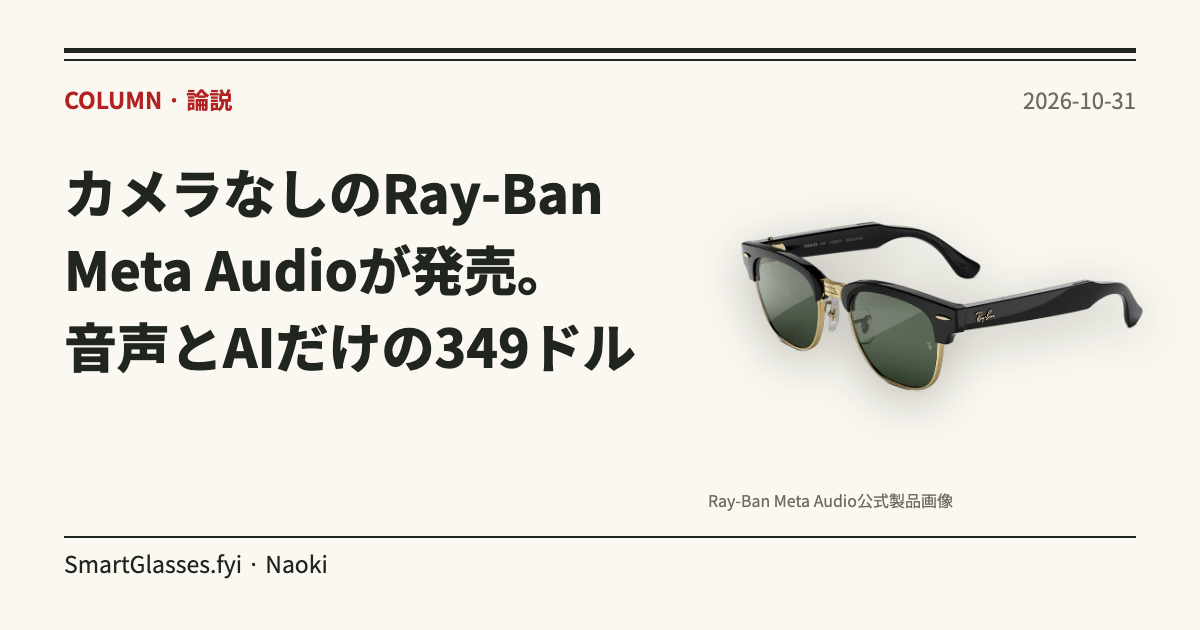
Camera-free Ray-Ban Meta Audio is on sale. $349 for audio and AI only
On sale 13 October. Weight 43 g. Up to 12 hours on a charge. Up to 6 hours of continuous playback. Clubmaster and Burbank. For people who want audio only, without taking photos.
Naoki →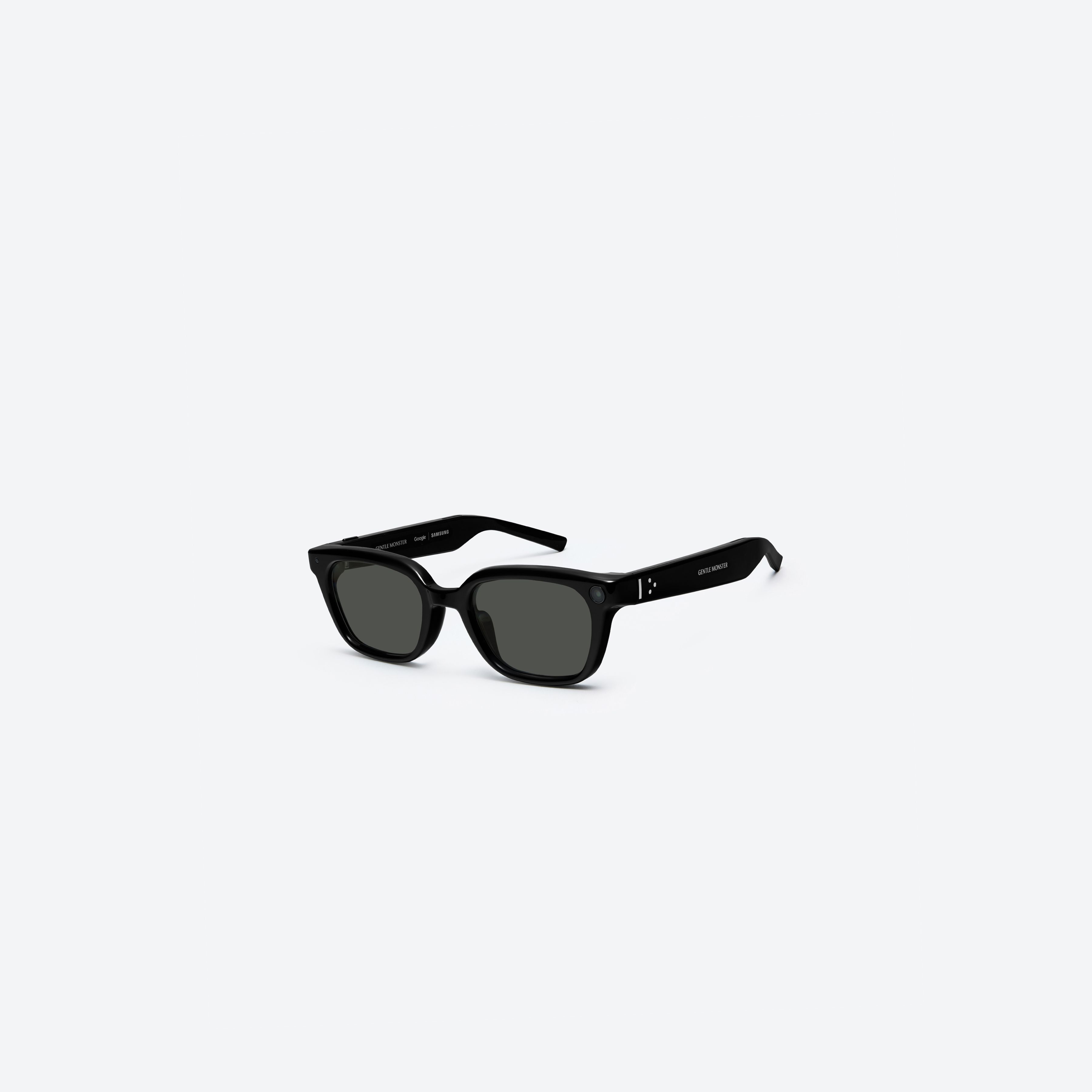 Google Intelligent Eyewear
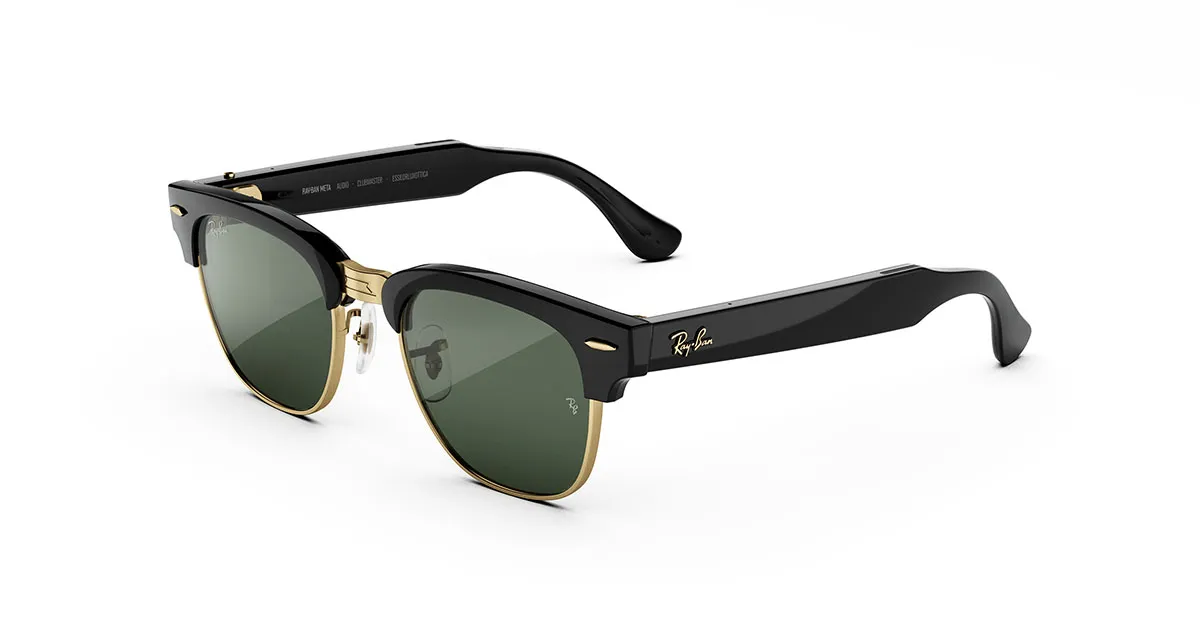 Ray-Ban Meta Audio