Buying guide
17 smart glasses models on sale in Japan. Prices by use
As of November 2026, the main models you can buy from official stores and authorized retailers in Japan, organized by use. Prices were checked on each maker's official store or official crowdfunding page.
Smart glasses sold through official channels in Japan have reached the point where there is a real lineup to choose from. But lump them together under one label and the reason to buy blurs. Someone who wants to shoot from eye level, someone who wants to read notifications in view, and someone who wants movies on a big screen are shopping at different shelves. This article lines up, by use, the main models you can buy from official stores and authorized retailers in Japan as of November 2026, plus domestic models taking preorders through official crowdfunding. Prices are the figures shown on each maker's official store or official crowdfunding page, as checked.
| Model | Official price | Display | Camera | Where to buy |
|---|---|---|---|---|
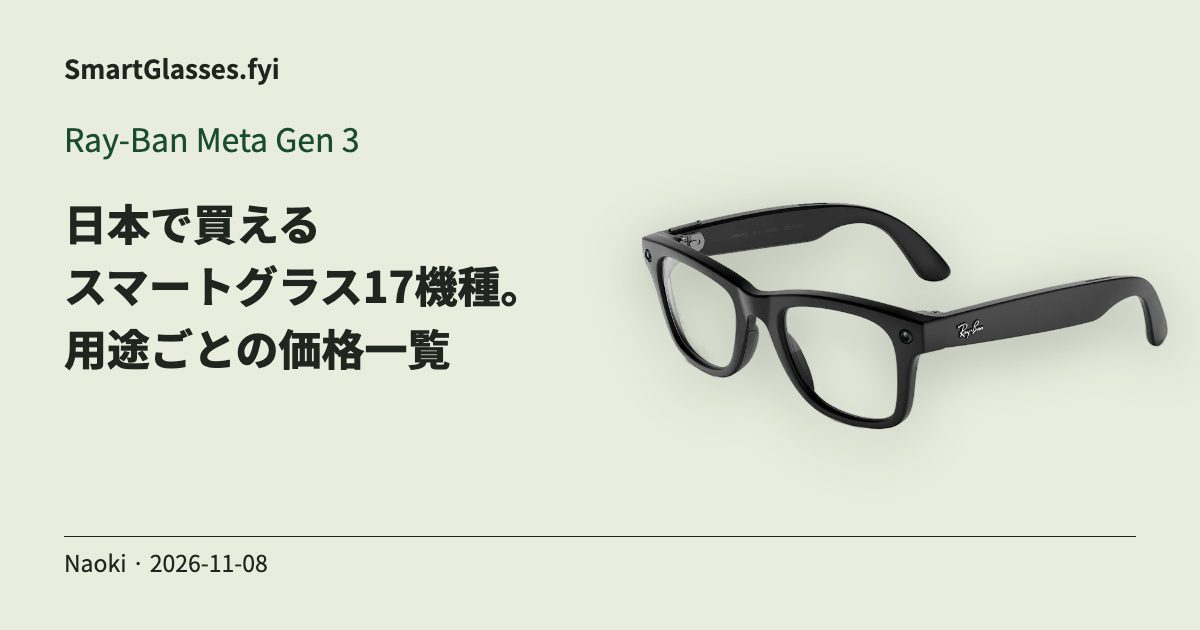
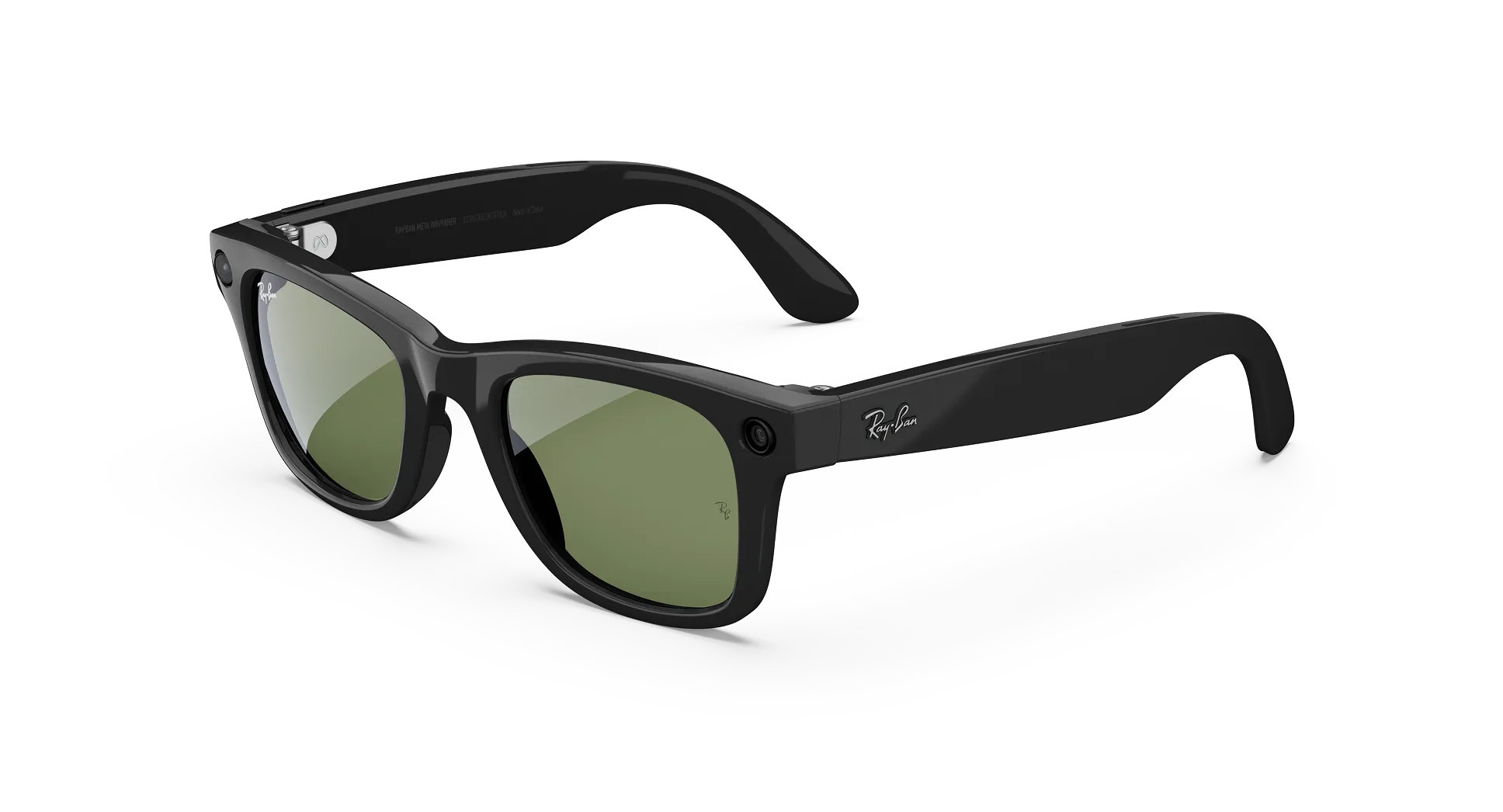
| Ray-Ban Meta (Gen 3) | From ¥78,980 (tax included) | None | Yes | Meta official store, Ray-Ban stores |
| Ray-Ban Meta (Gen 2) | From ¥73,700 (tax included) | None | Yes | Meta official store, Ray-Ban stores |
| Oakley Meta HSTN | From ¥77,220 (tax included) | None | Yes | Meta official store, Oakley official store |
| Oakley Meta Vanguard | From ¥96,580 (tax included) | None | Yes | Meta official store, Oakley official store |
| Rokid Ai Glasses Style | ¥64,990 (tax included) | None | Yes | Rokid Japan official store |
| Even G2 | From ¥99,800 (tax included) | Yes | None | Even official online store, JUN GINZA |
| RayNeo iO | From ¥89,999 | Yes | None | RayNeo Japan official store |
| SABERA | ¥92,400 (tax included) | Yes (right eye only) | None | Official online store, electronics retailers, eyewear shops |
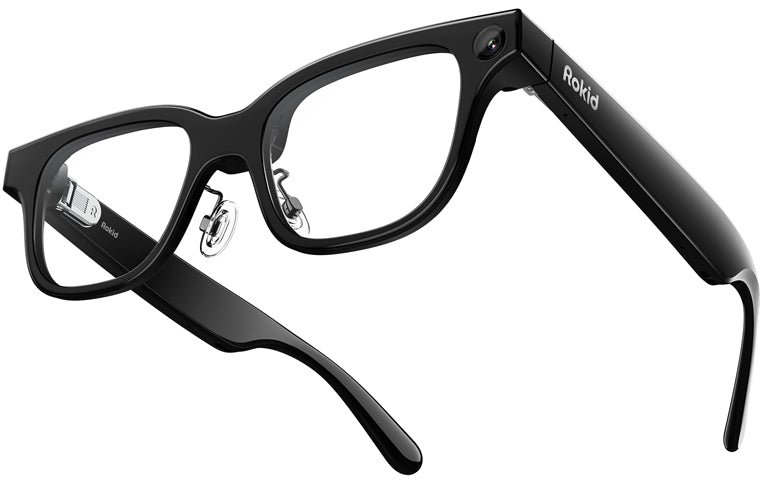
| Rokid Glasses | ¥109,890 including tax | Yes | Yes | Rokid Japan official store, electronics retailers |
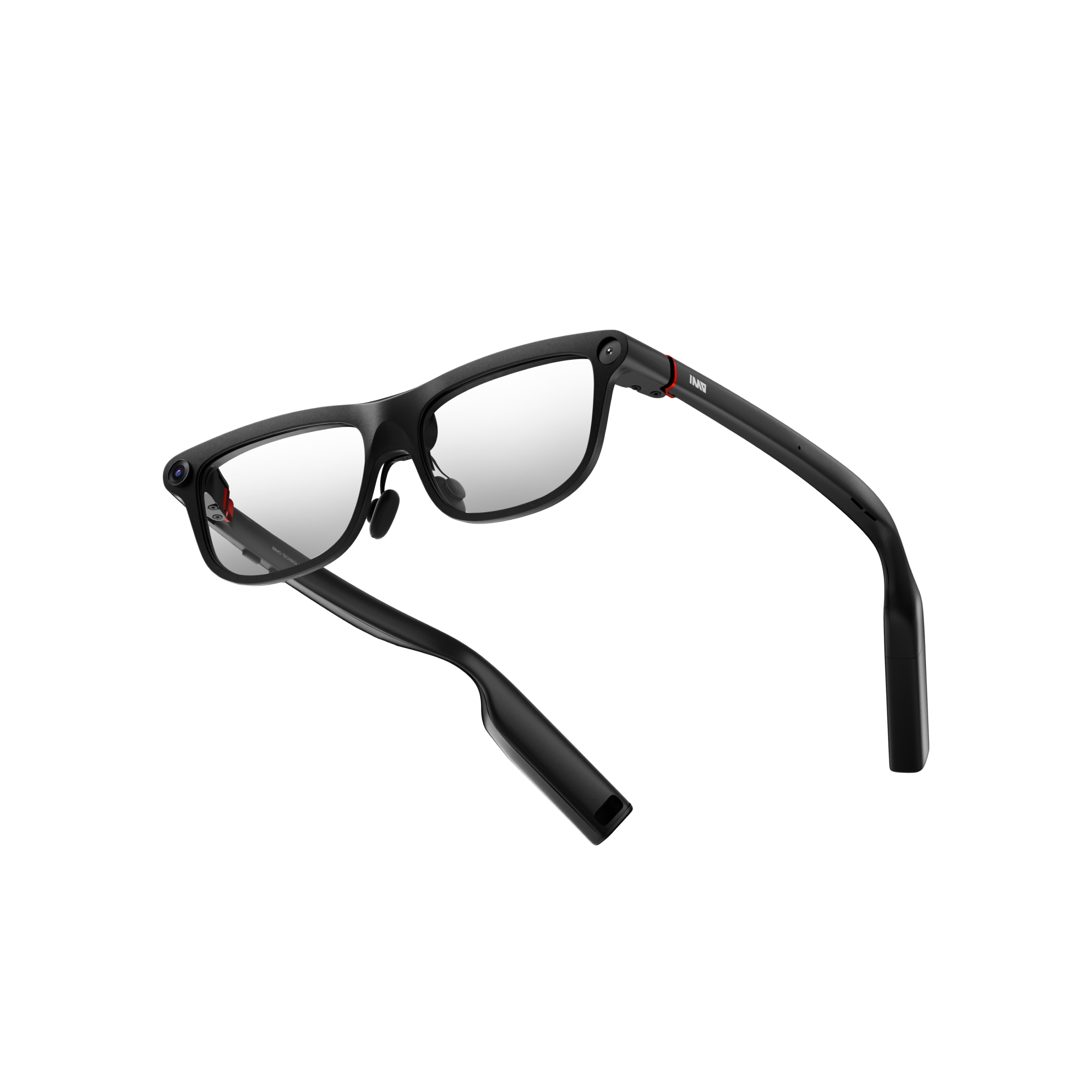
| INMO GO3 | ¥99,800 (tax included) | Yes | Yes | INMO Japan official store, electronics retailers |
| Linse Display | ¥119,000 (tax included) · Preorders open | Yes (both eyes) | Yes | GREEN FUNDING, later Megane Ichiba stores |
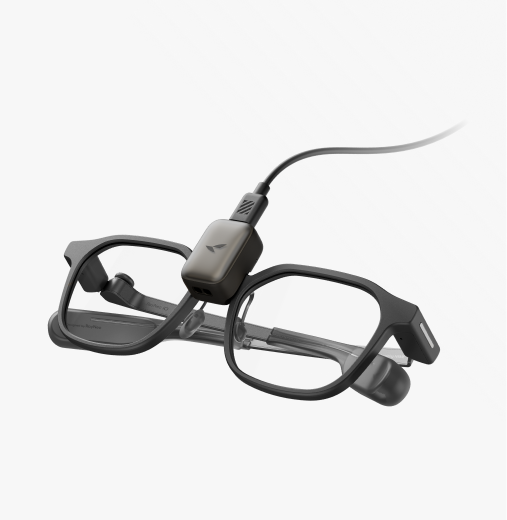
| RayNeo X3 Pro | ¥179,999 (tax included) | Yes | Yes | RayNeo Japan official store |
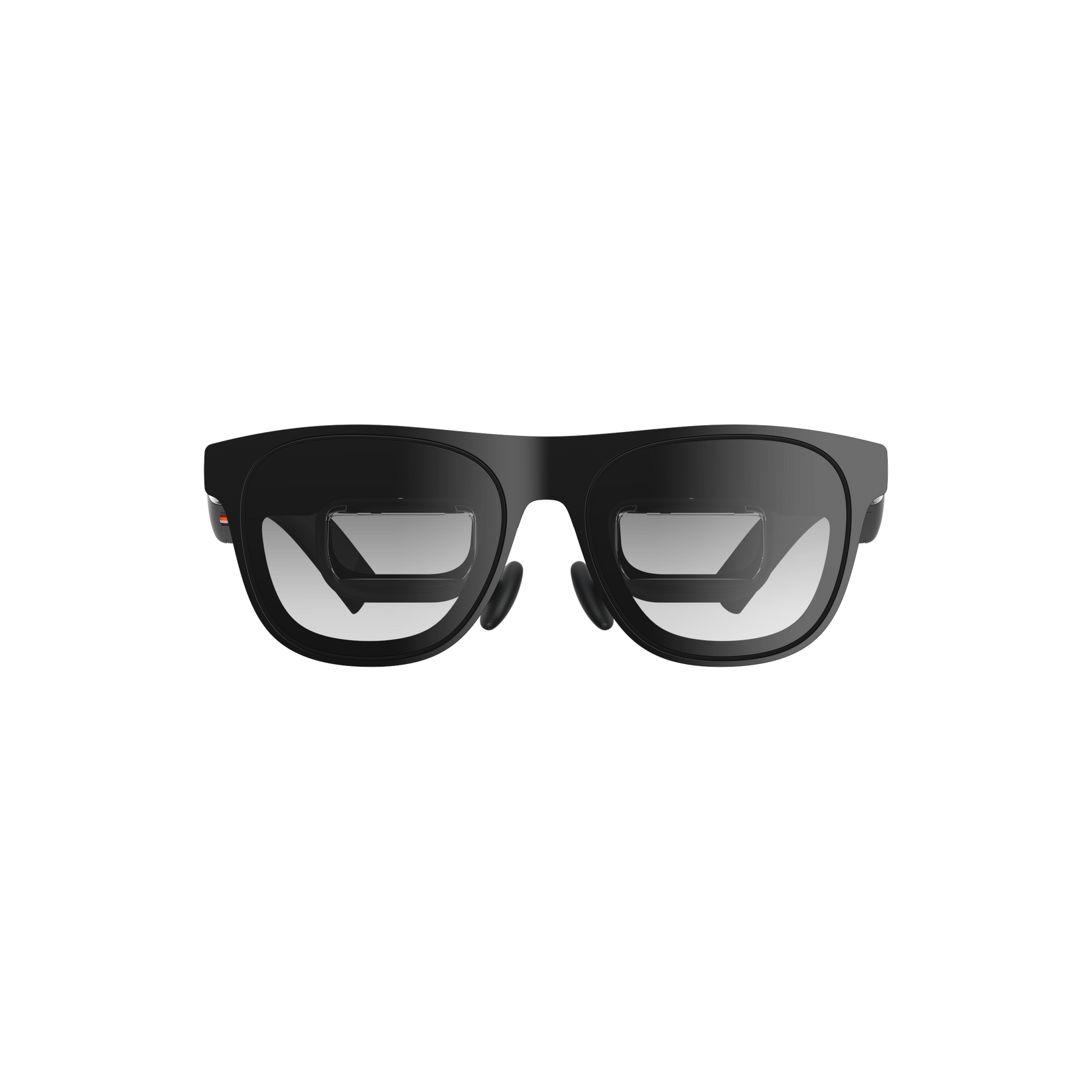
| XREAL One Pro | ¥84,980 (tax included) | For video | None | XREAL official store |
| XREAL 1 Pro+ | ¥84,980 (tax included) · On sale November 10 | For video | None | XREAL official store, electronics retailers |
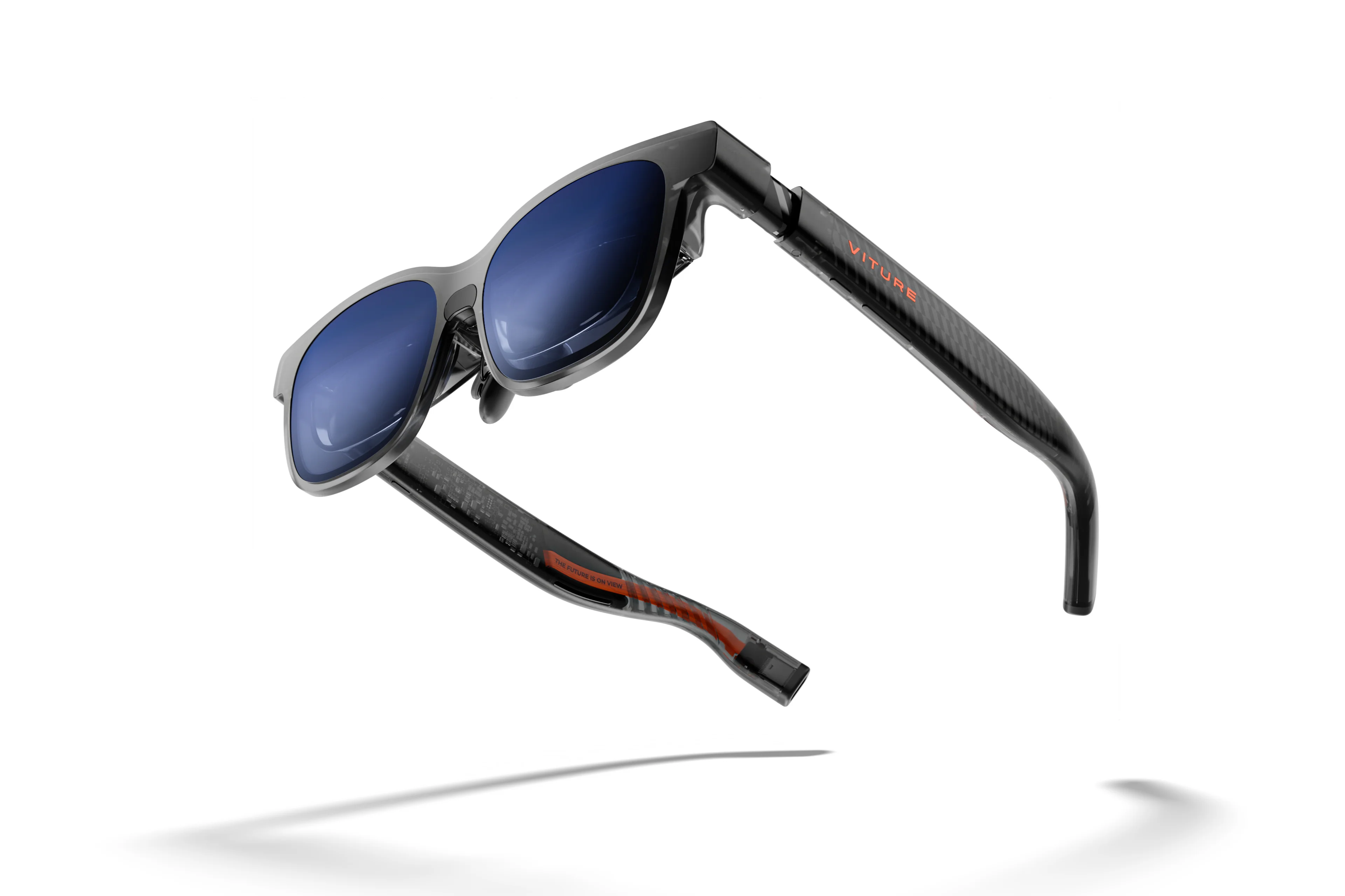
| VITURE Luma | Regular price ¥64,880 | For video | None | VITURE official Japan store |
| XREAL AURA | From ¥229,800 (tax included) · Preorders open | Yes | Yes | XREAL official store |
| MiRZA | ¥248,000 (tax included) | Yes | Yes | Docomo shops, Docomo Online Shop |
For days when the point is shooting, look at the Ray-Ban Meta shelf
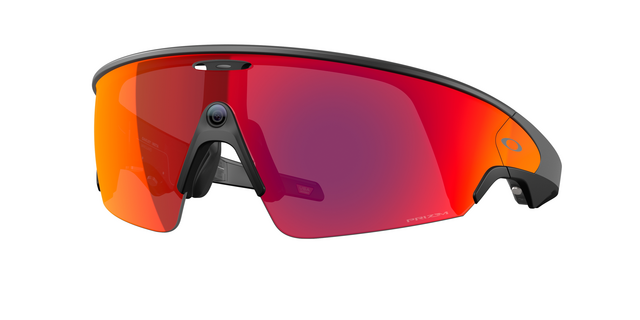
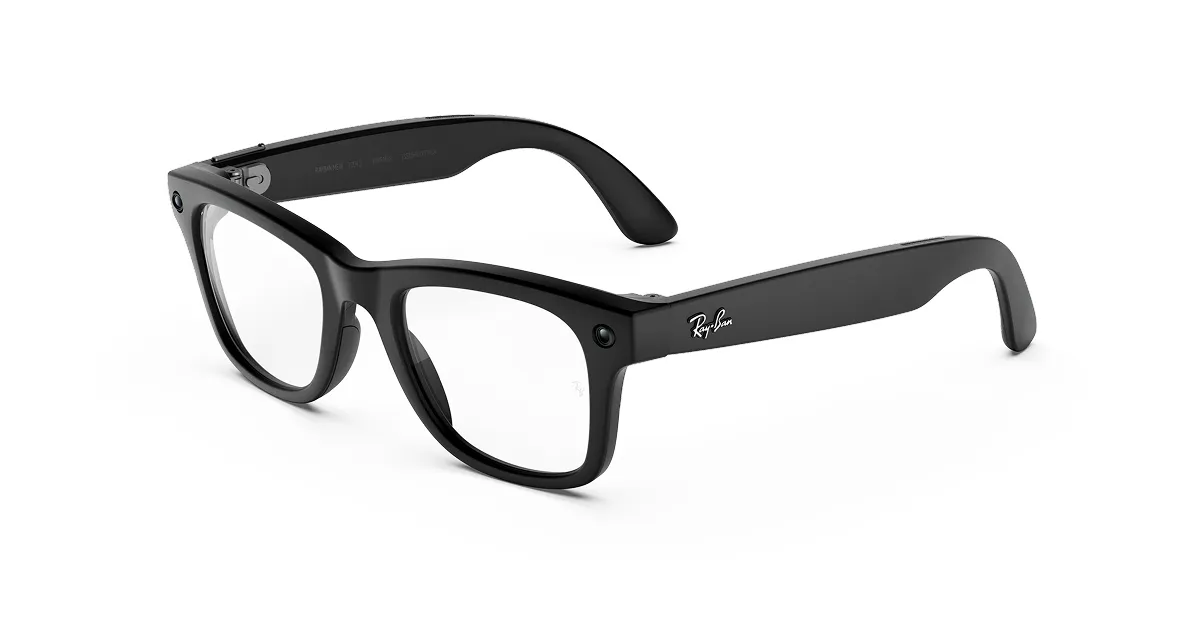
The center of camera glasses is Ray-Ban Meta, which went on sale in Japan on May 21, 2026. It has no display and focuses on shooting, audio, and Meta AI. The current centerpiece is the third generation (Gen 3), released September 24, starting at ¥78,980 on the official store. The camera is 12 megapixels and shoots 3K video. The second generation (Gen 2) remains on sale from ¥73,700. If you want a sportier frame, Oakley Meta HSTN starts at ¥77,220. If you also want to log your runs and rides, Oakley Meta Vanguard starts at ¥96,580. Its camera sits at the center of the face, and it works with Garmin and Strava to layer activity data over your footage.

With no display, it is not a tool for reading notifications. The reason to buy is decided by one question: in yesterday's day, were there moments you wanted to shoot without taking out your phone? My line has always been the same: if all the camera gives you is easy snapshots, do not put a camera on your everyday face. It suits people whose hands are often full, cooking or on the move.
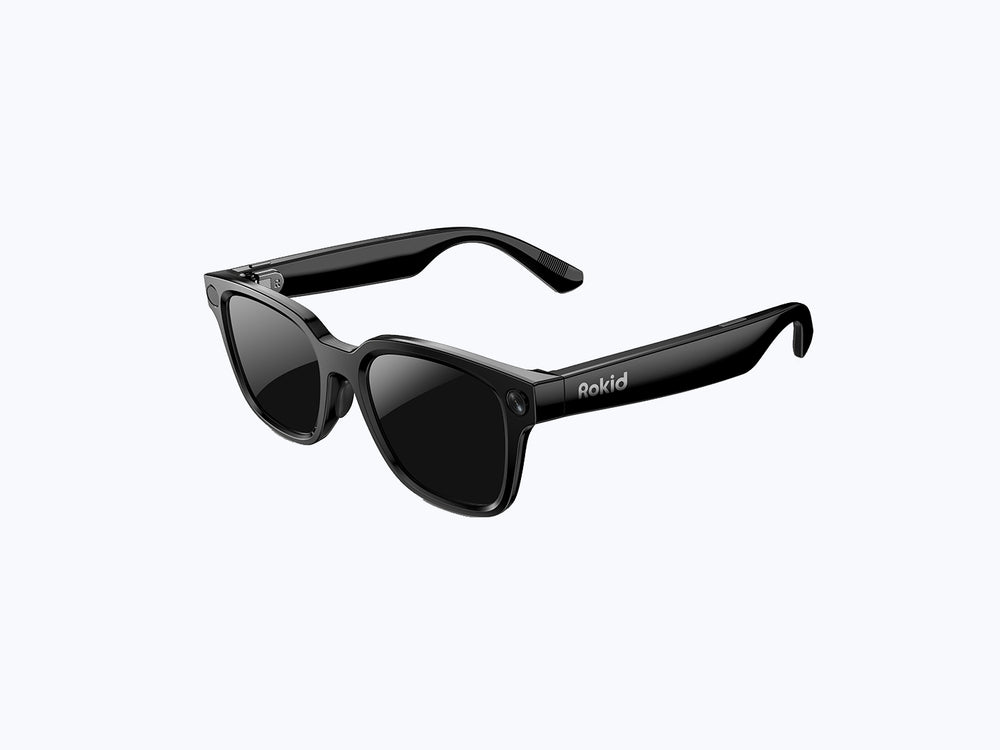
There is one more model on the same shelf. Rokid Ai Glasses Style is Rokid's everyday model narrowed to shooting and audio, with no display. The body weighs 38.5 g, and the camera is 12 megapixels. AI answers and translations come back by voice. At ¥64,990, its entry price sits below Ray-Ban Meta. Its lens-making range is wide, covering prescription, progressive, and photochromic lenses, so it is easy to choose as an extension of your regular glasses.
For days of reading notifications and translations as text, three camera-free models remain
Among everyday glasses that put text in your view, the ones without a camera are Even G2, RayNeo iO, and SABERA.
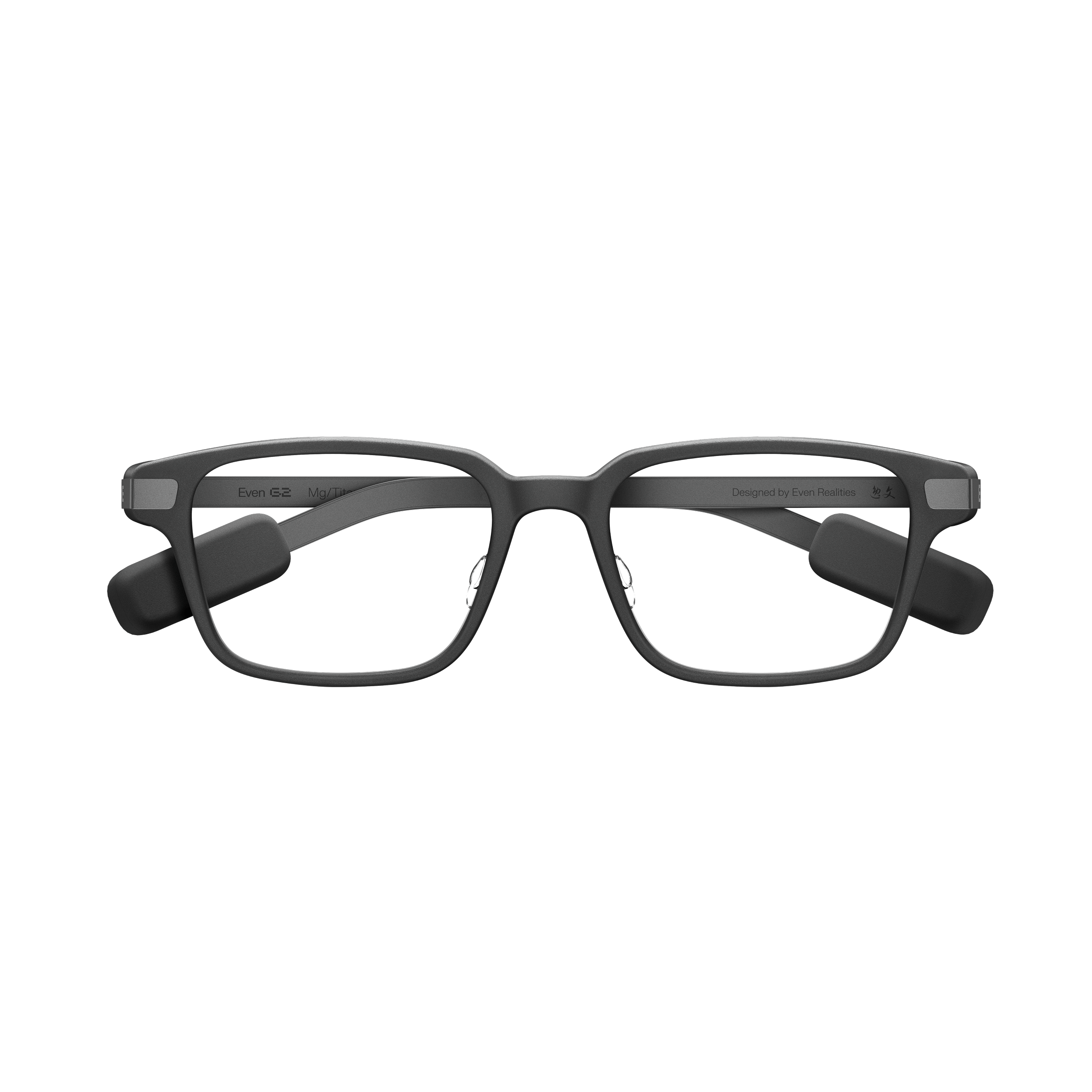
Even G2 starts at ¥99,800 on the official online store. It leans into reading notifications, translations, and conversation support as green text, and carries neither a camera nor a speaker. Single-vision prescription lenses can be ordered online from ¥26,800, while progressives are handled at partner eyewear shops. The ring-shaped controller, Even R1, is ¥41,800 and lets you page the display without touching the temples. JUN GINZA in Ginza and Nagoya offers try-ons and fitting. This G2 is the one I choose for everyday use, and it is the yardstick I measure other models against.
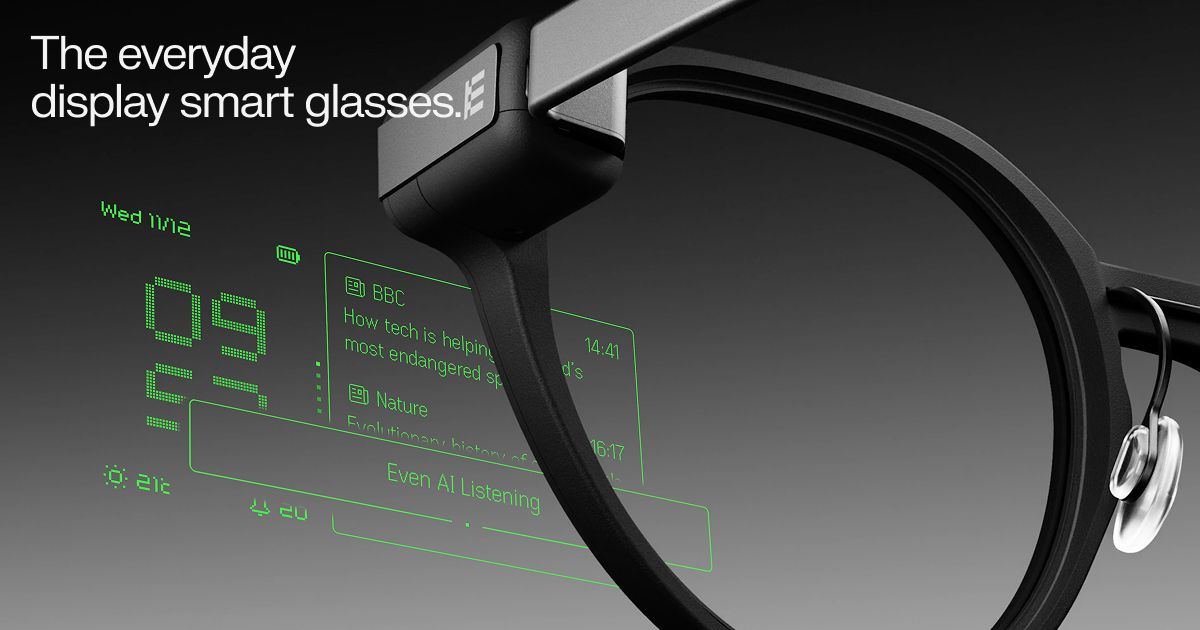
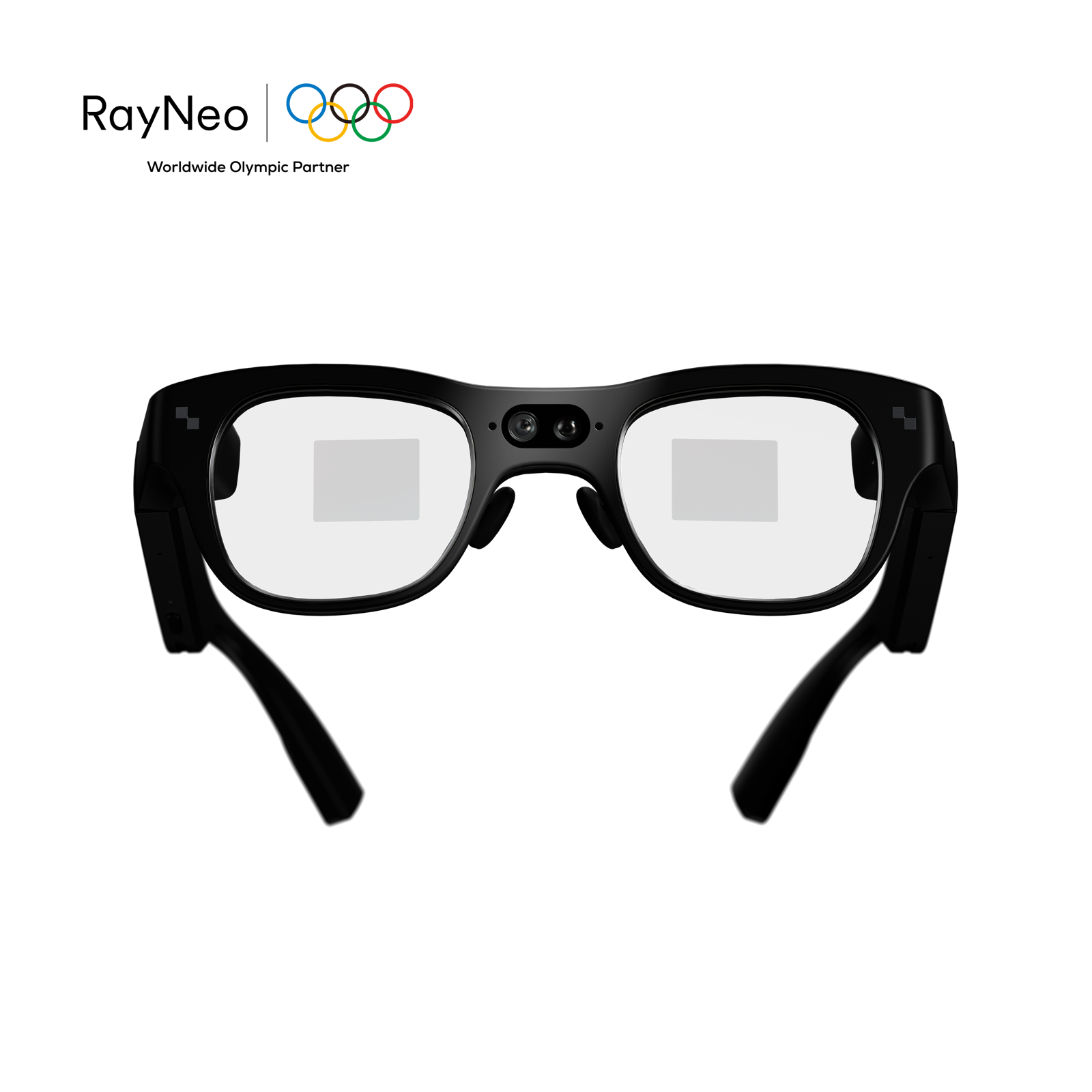
RayNeo iO starts at ¥89,999 at the Japan official store. The set with a charging case is ¥99,000. The display is green monochrome in both eyes, and operation runs through the Smart Crown, a ridged dial at the temple tip that you turn and press. Turn to choose, press to confirm. In my review I rated that certainty highly. It costs ¥10,000 less than G2, and in return G2 shows more information vertically. The split comes down to whether you like turning a dial with a finger, or would rather not touch anything and use a ring.
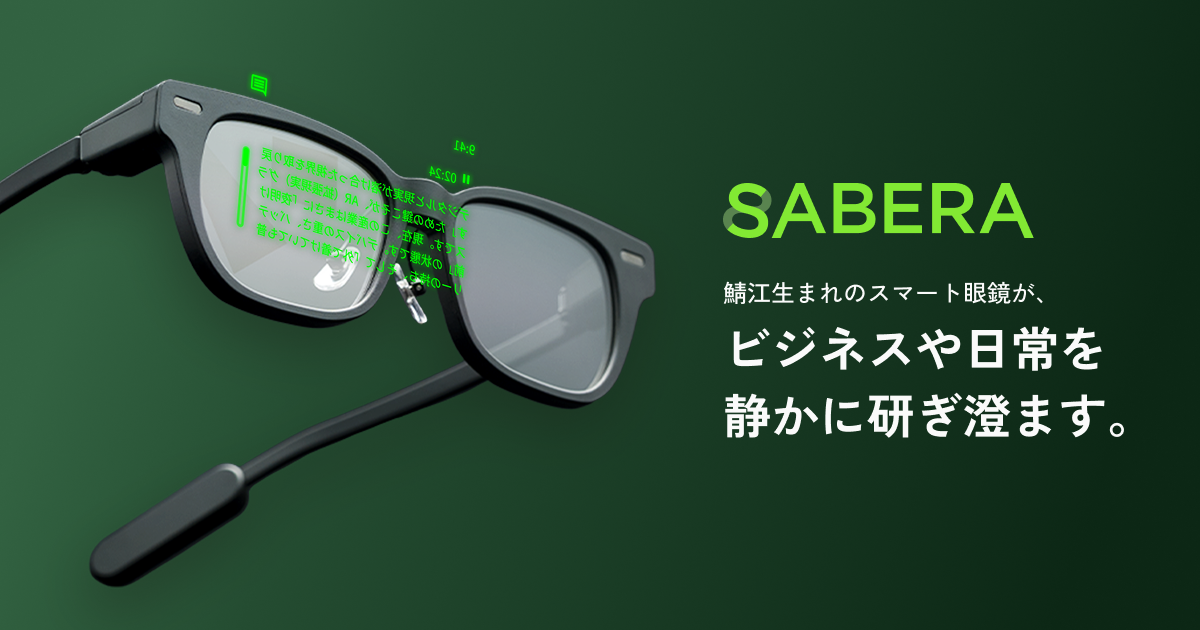
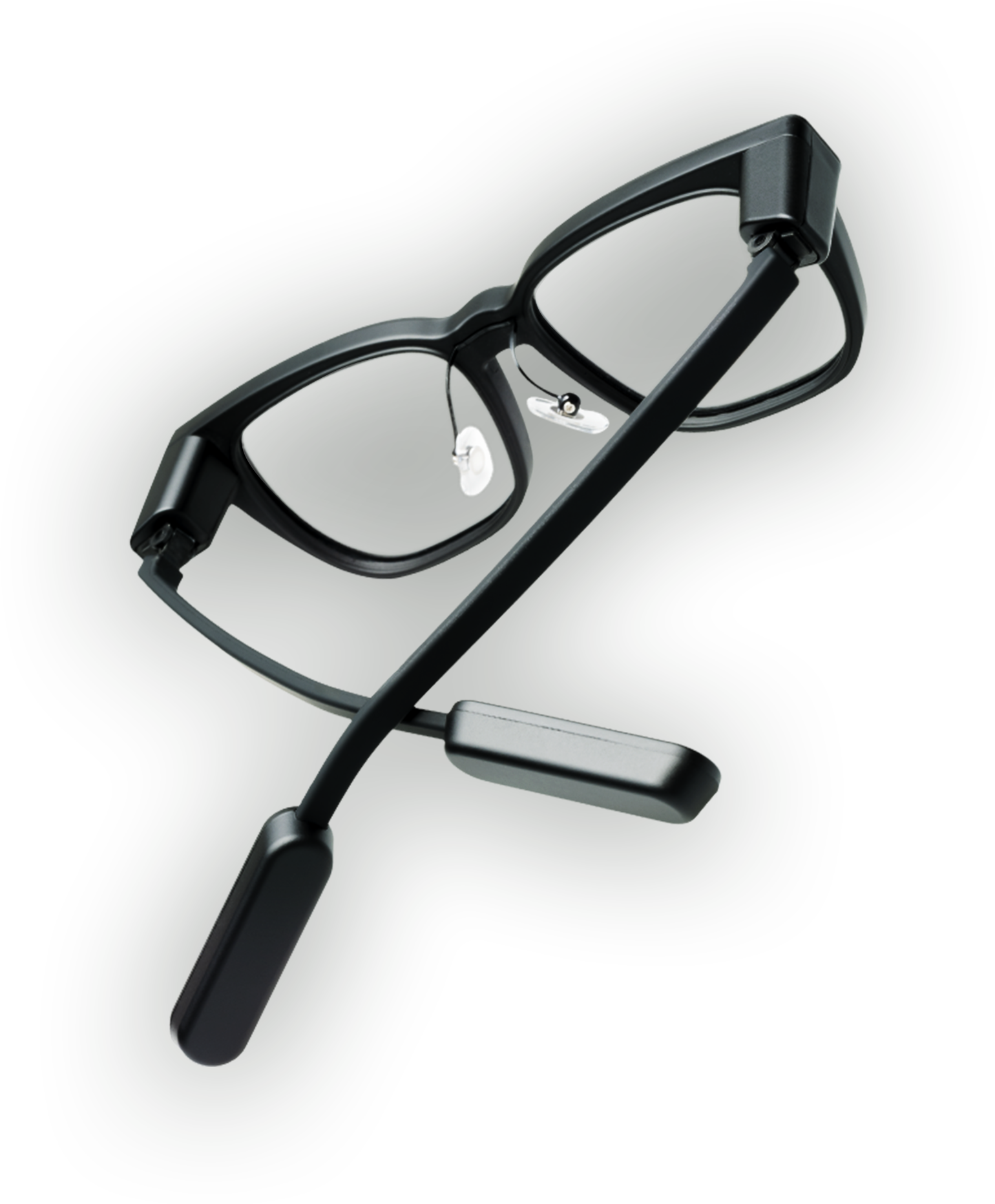
The domestic option is SABERA. Made by Sabae-based jig.jp together with frame designer Boston Club and optics company Cellid, it shows text only in the right eye's view. Notifications and translation, navigation, teleprompter display, transcription and AI summaries all run on that single-eye display, at a weight of about 38 g. After early sales on Makuake, general sales began on October 27. The price is ¥92,400 including tax, sold at the official online store as well as Bic Camera, Yodobashi Camera, and eyewear shops.
For days when you need both display and camera, Rokid, INMO, Linse, and RayNeo remain
If you want both a display and a camera in one device, Rokid Glasses, INMO GO3, Linse Display, and RayNeo X3 Pro remain.
Rokid Glasses is ¥109,890 at the Japan official store. Its official list of sellers also includes electronics retailers such as Bic Camera and Yodobashi Camera, so there is a route to try and buy in store. It shoots photos and video, and lets you read translations and scripts as green text. Battery guidance from the maker is 8 to 10 hours in mixed use, and 2 hours with the display on continuously. It suits use with many shooting days.
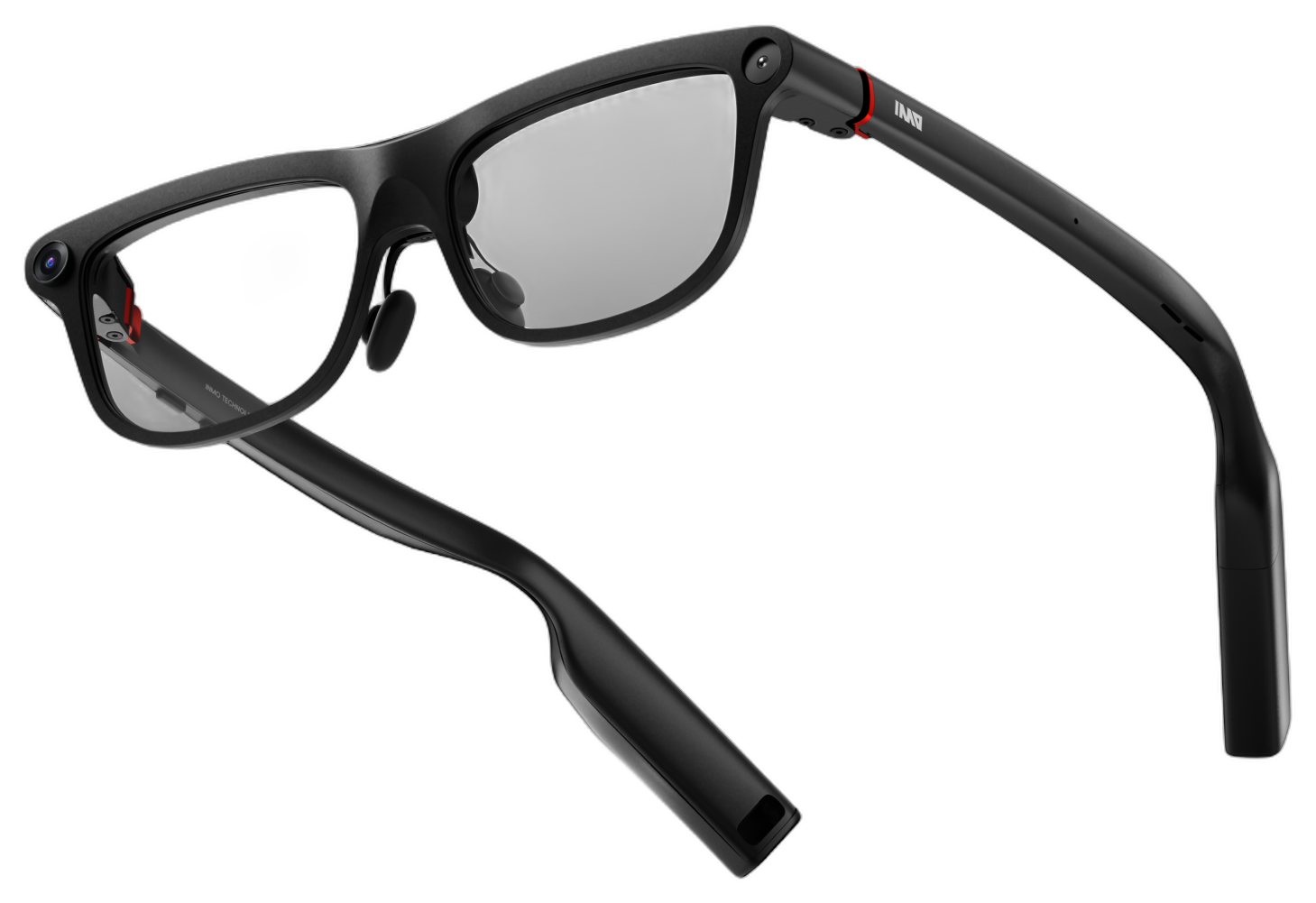
INMO GO3 is ¥99,800 at the Japan official store. Domestic sales began on July 17, 2026, and the official store also lists electronics-retailer sales. Its strengths are the speed of translation display and a swappable battery you can exchange to keep going. My conclusion after a week was 'buy the glasses only,' and the temple pressure on the ears and the wait before shooting left complaints. For people with many translation situations, that speed pays off.
The third, Linse Display, is a domestic model co-developed by Megane Ichiba's Megane Top and Cellid. It shows translation, navigation, and notifications in both eyes, and handles photo and video shooting, transcription, and script display in one device. Its way of buying differs from the other two: it is currently at the crowdfunding preorder stage. It is open on GREEN FUNDING with a list price of ¥119,000 and support plans from ¥99,960. Delivery is planned from late January to late February 2027, after which it will also be sold at Megane Ichiba stores nationwide. Prescription support uses a magnetic insert frame: you bring the purchased unit to a store and have lenses fitted.
The ceiling of this shelf is RayNeo X3 Pro. It pairs a full-color display in both eyes with a camera, and the processing runs on the glasses themselves as a standalone AI glasses device, priced at ¥179,999. It is designed not as an extension of notification-reading everyday glasses, but toward running spatial apps in front of your face. The price jumps a step above the everyday range, so the reason to buy suits people who can pin down what they want to run standalone.
For movie and game days, the monitor-glasses shelf is the right answer
Glasses for watching video are a different purchase from everyday glasses. Monitor glasses do not run on their own; you connect them over USB-C to a phone, PC, or game console and spread that picture in front of your eyes. VITURE's official guidance also explains that the glasses carry no battery and are powered by the connected device.
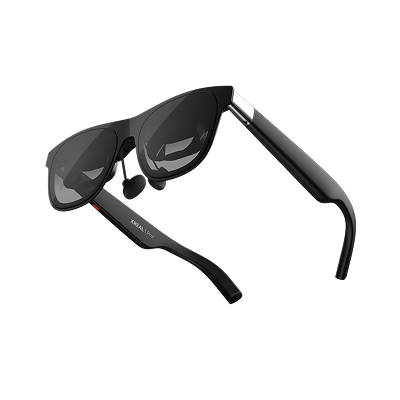
XREAL One Pro is ¥84,980 at the official store and is the center for movies, games, and a bigger PC screen. Its successor, XREAL 1 Pro+, goes on sale November 10 at the same ¥84,980. Brightness rises to a peak of 1,200 nits, and the 2D-to-3D conversion runs more smoothly. If you are buying now, the 1 Pro+, already taking preorders, is the entry point. To spend less, XREAL 1S sits at ¥67,980. VITURE's Japan official store prices run in steps: Luma at a regular ¥64,880, the entry Pro 2 at ¥49,880, the higher Luma Ultra at ¥89,880, and the flagship Beast at ¥82,880. RayNeo also lines up video models at its Japan store, with GT Max at ¥67,980 and Air 4 Pro at ¥45,980. Even within video glasses, you choose by how they connect to the gear you carry and how large the picture is.
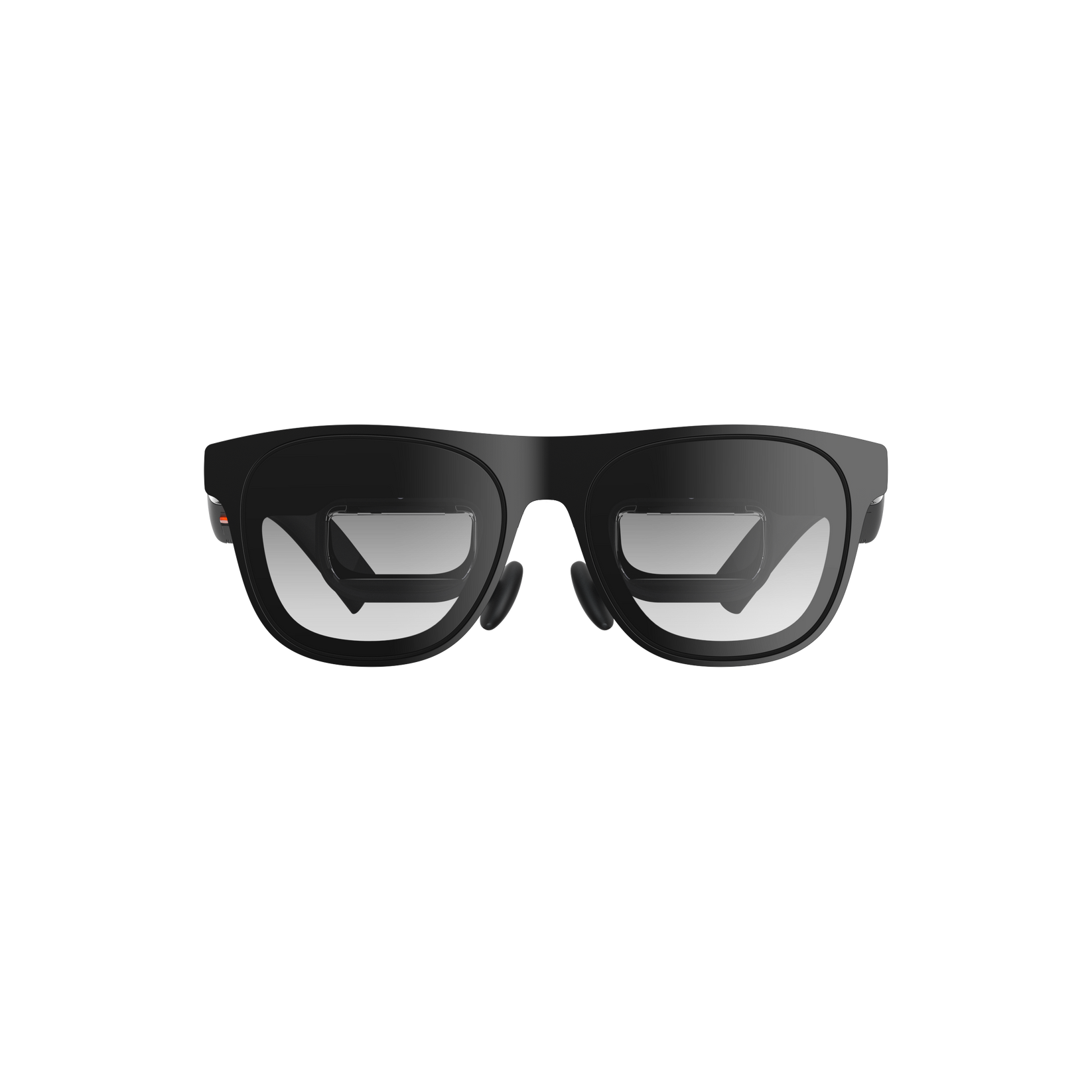
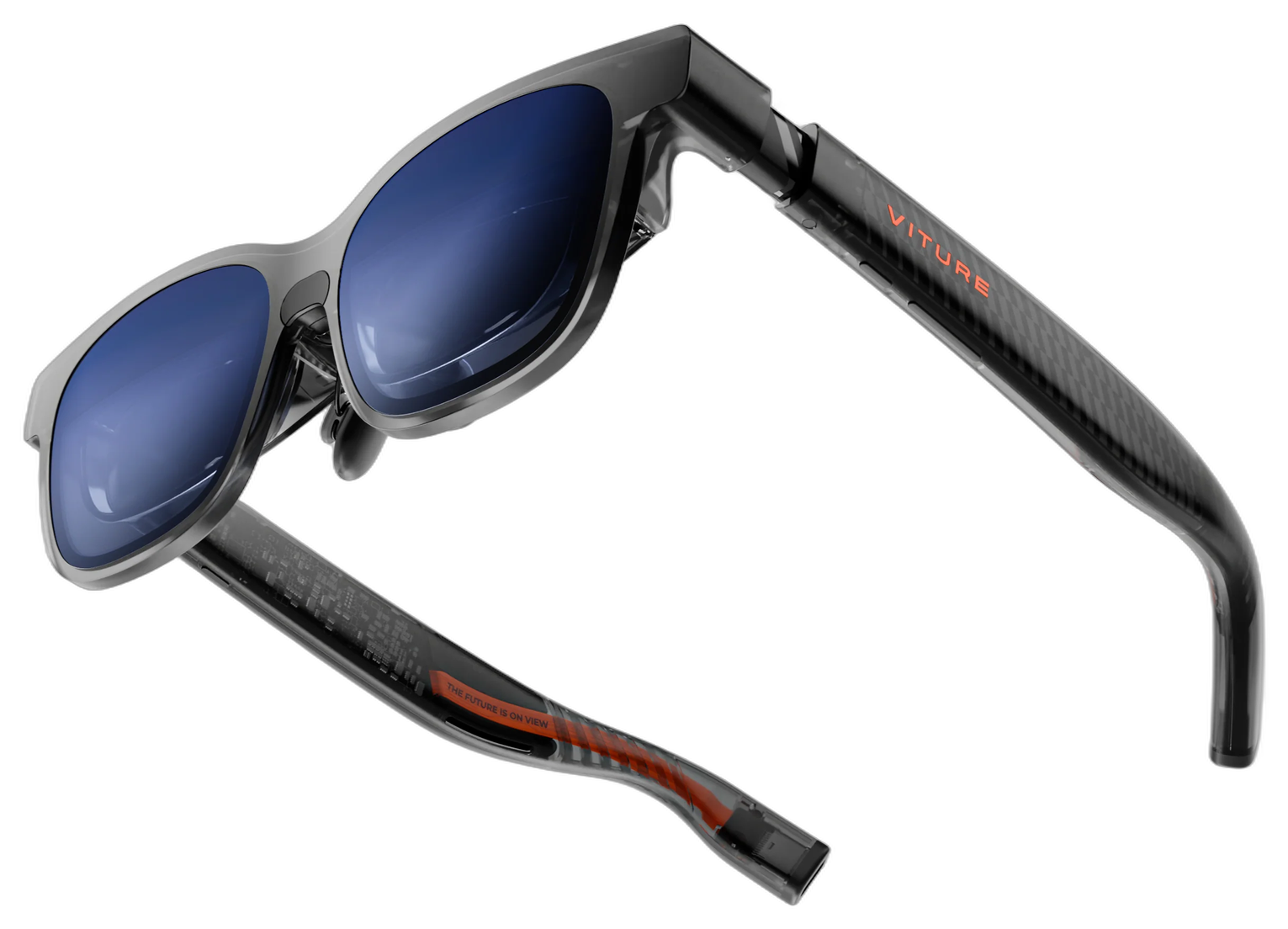
Do not ask this shelf's products to handle notifications or shooting. Because they are tools purely for watching, they leave little room for failure.
For XR glasses that run apps in front of your face, AURA preorders have opened
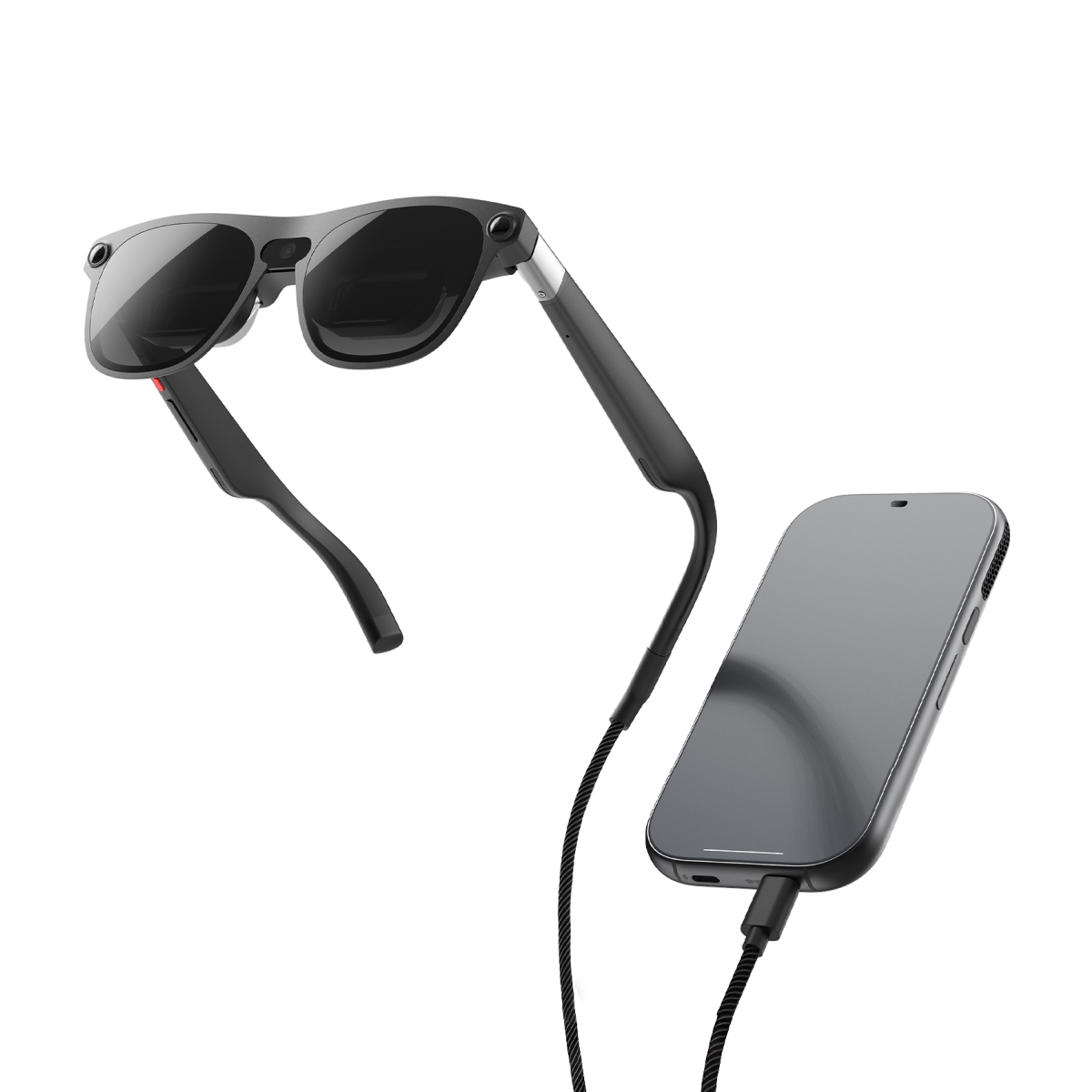
XREAL AURA works differently from monitor glasses. The glasses come as a set with a dedicated compute pack; processing and battery sit in the pack, and Android XR apps run on the pack. As Google presents it, these are the first Android XR glasses you can buy in Japan.
In Japan, general preorders opened on November 2, and the official store price starts at ¥229,800. A limited offer through the end of the year shows prices from ¥199,900. Launch is planned for November 27, with shipments starting in late November. The glasses weigh 95 g and the pack about 265 g, carried in a pocket. If all you need is a PC screen mirrored, monitor glasses are enough. The reason to pay for AURA is the time spent using apps without connecting a PC or phone.
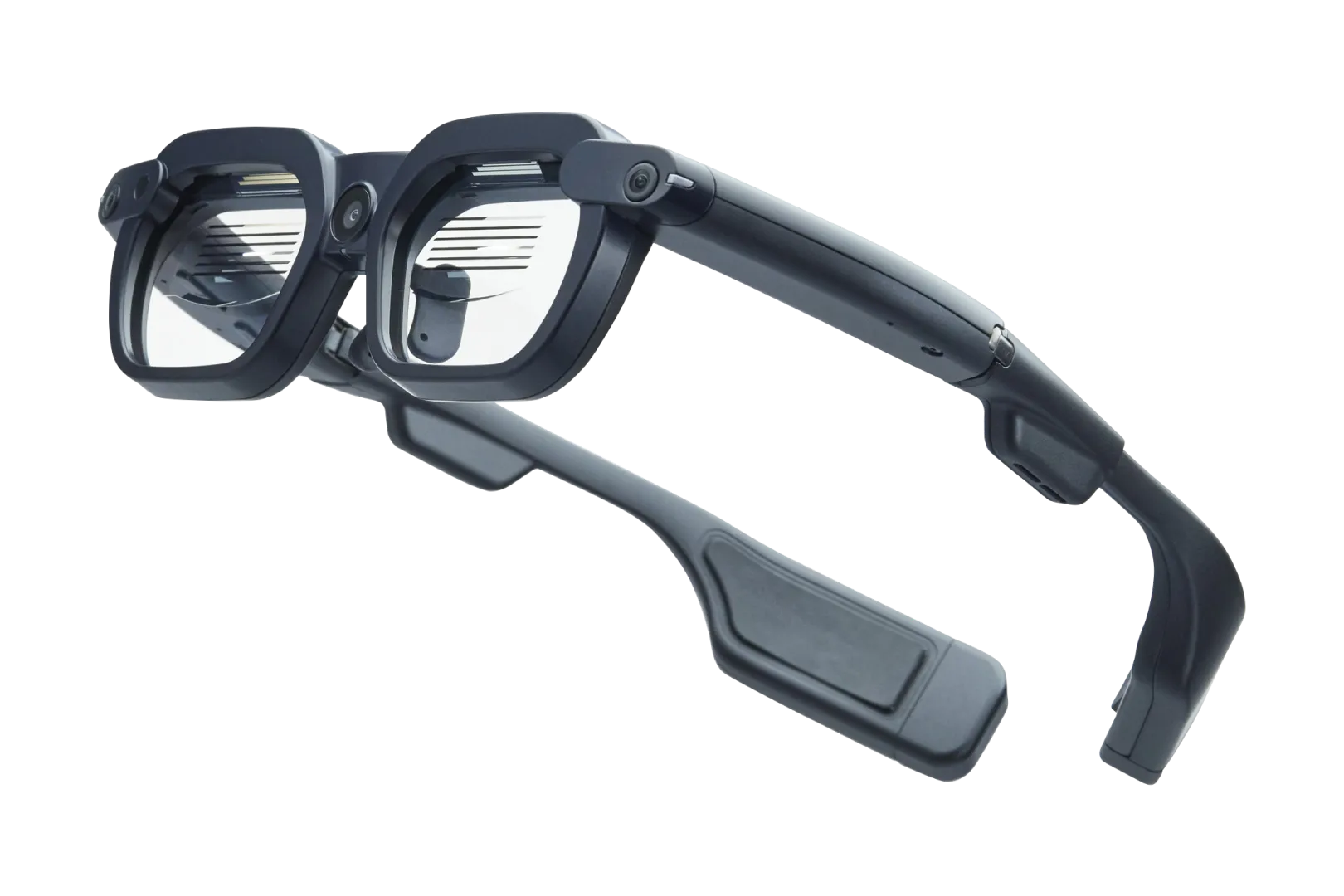
There is also a domestic XR glasses option. NTT Qonoq Devices' MiRZA was planned, designed, developed, and manufactured in Japan. It connects wirelessly to a phone and can place multiple windows on a full-color display in both eyes. The price is ¥248,000, and individuals can buy it at Docomo shops and the Docomo Online Shop. At about 125 g it is heavier than everyday models, and it has been chosen in work contexts such as remote support. Alongside AURA, it is Japan's other entry point for buying XR.
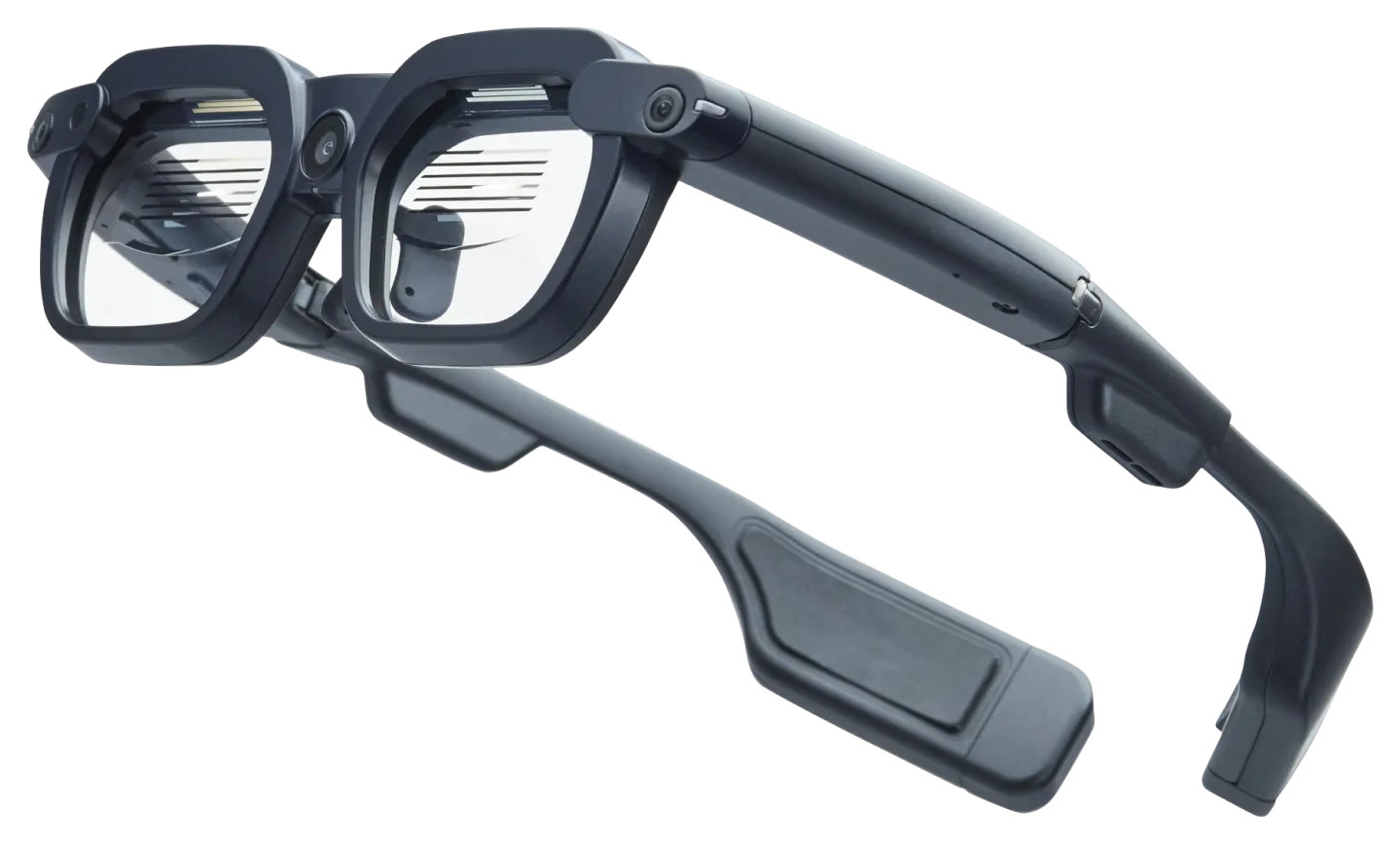 MiRZAOfficial manufacturer image
After price, check the route to prescription lenses and fitting
The prices in the table are the entry point for the body; the total moves from there. If you need prescription lenses, Even G2 lets you add single-vision lenses online. Progressives are the partner shops' work. Glasses are a tool fitted to your face, so whether there is a try-on route also separates sellers: specialists like JUN GINZA, the electronics retailers Rokid and INMO list, and Yodobashi Camera and Bic Camera, which Even names as official retailers. Before buying, put them on once and check the display position and the pressure on your nose.
The two domestic models use the eyewear-shop network as it is. SABERA is sold at eyewear shops carrying the body, and 80 shops support its vision-correction lenses (as of October 20). Some Megane Ichiba stores handle Linse Display's prescription insert frames, vision measurement, and fit adjustment. Because display position is decided by the face, the breadth of that network connects directly to how easy they are to buy.
Finally, fit it to yesterday's day. If there were many moments you wanted to shoot, the camera shelf; if many scenes of reading notifications and translations, the display shelf; if your evenings run long with movies and games, monitor glasses. Once the use is fixed, one or two models remain from this table.
Products featured in this article
Compare products in this article →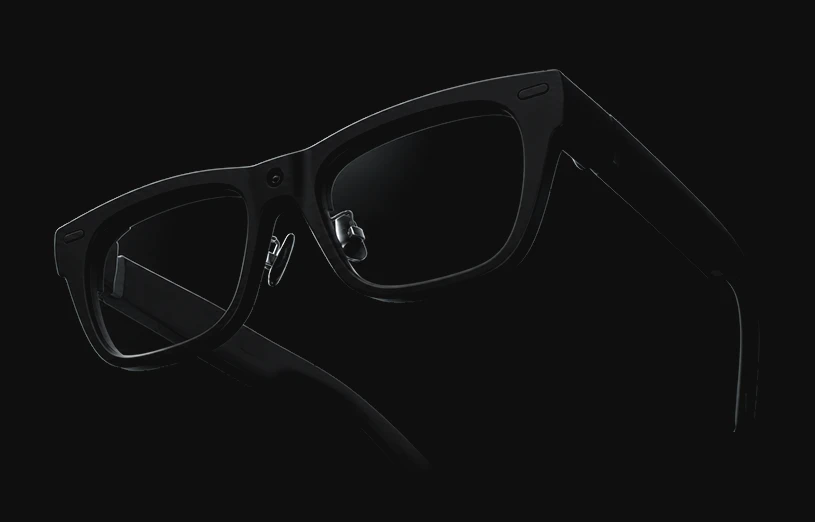 Linse DisplaySpecifications, prices, and related articles →
 XREAL One ProSpecifications, prices, and related articles →
 RayNeo X3 ProSpecifications, prices, and related articles →
 RayNeo iOSpecifications, prices, and related articles →
 Even G2Specifications, prices, and related articles →
 VITURE LumaSpecifications, prices, and related articles →
 Rokid GlassesSpecifications, prices, and related articles →
 Ray-Ban Meta WayfarerSpecifications, prices, and related articles →
 INMO GO3Specifications, prices, and related articles →
 MiRZASpecifications, prices, and related articles →
 SABERASpecifications, prices, and related articles →
 Oakley Meta VanguardSpecifications, prices, and related articles →
 Rokid Ai Glasses StyleSpecifications, prices, and related articles →
 XREAL AURASpecifications, prices, and related articles →
 Ray-Ban Meta Gen 3Specifications, prices, and related articles →
 XREAL 1 Pro+Specifications, prices, and related articles →