
Buying guide
What is Even G2? Why I recommend it as your first smart glasses
Raise your head to see information. Control it without raising your arm. The details of the app and eyewear explain why I keep wearing Even G2 every day.
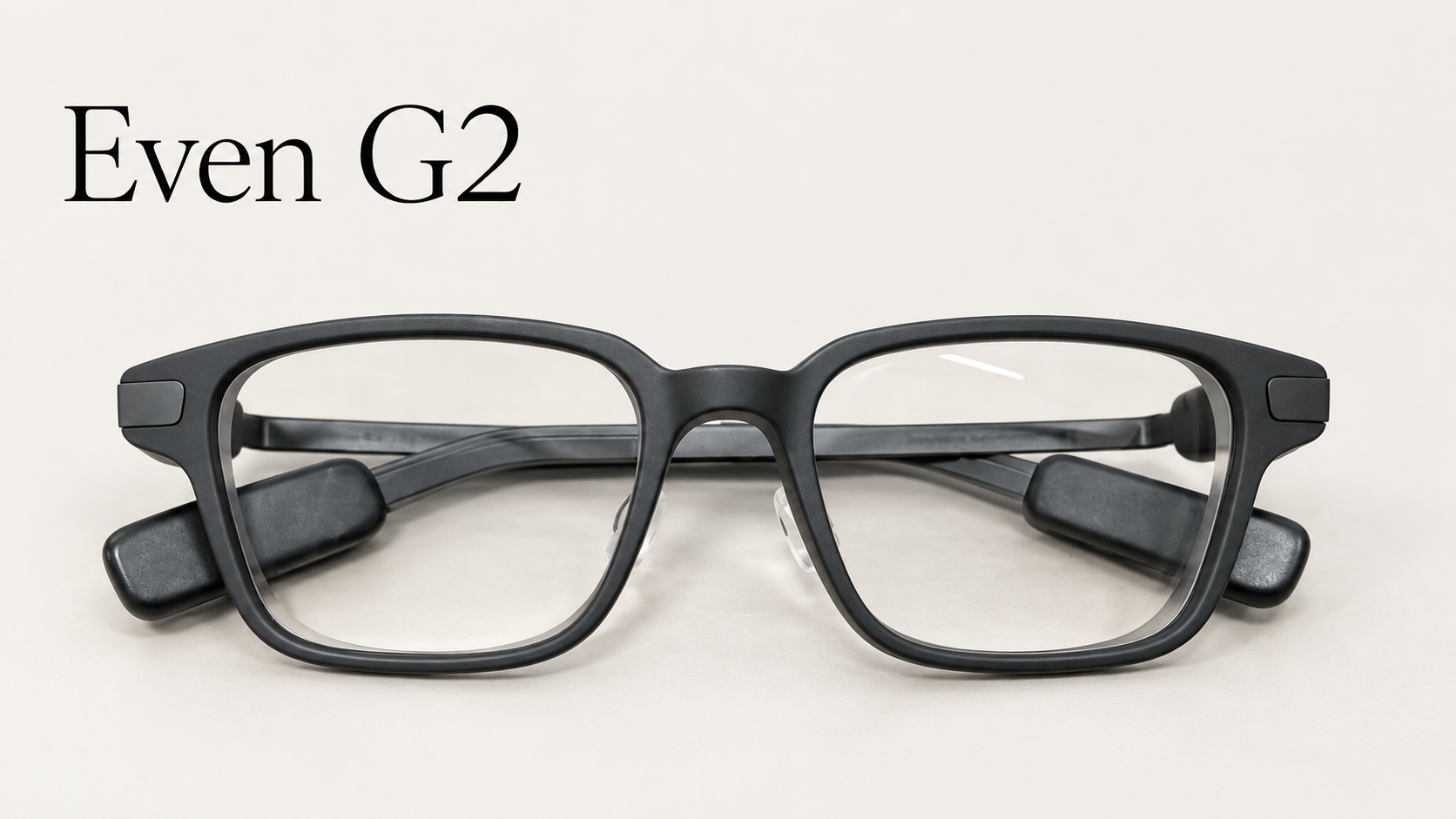
For someone choosing their first smart glasses, Even G2 is my first recommendation. It is expensive. I still recommend it because it reduces the little movements involved in checking a phone, while working as a pair of glasses I can wear every day.
G2 is a pair of display-equipped glasses made by Even Realities. Connected to a smartphone, it shows green text and graphics through both lenses. You can read notifications, translated captions and presentation scripts while looking at your surroundings. With no camera or speakers, it focuses on reading information in your field of view. It belongs to the category of monochrome display glasses without a camera—a category that I feel attracts considerable interest in Japan, too.
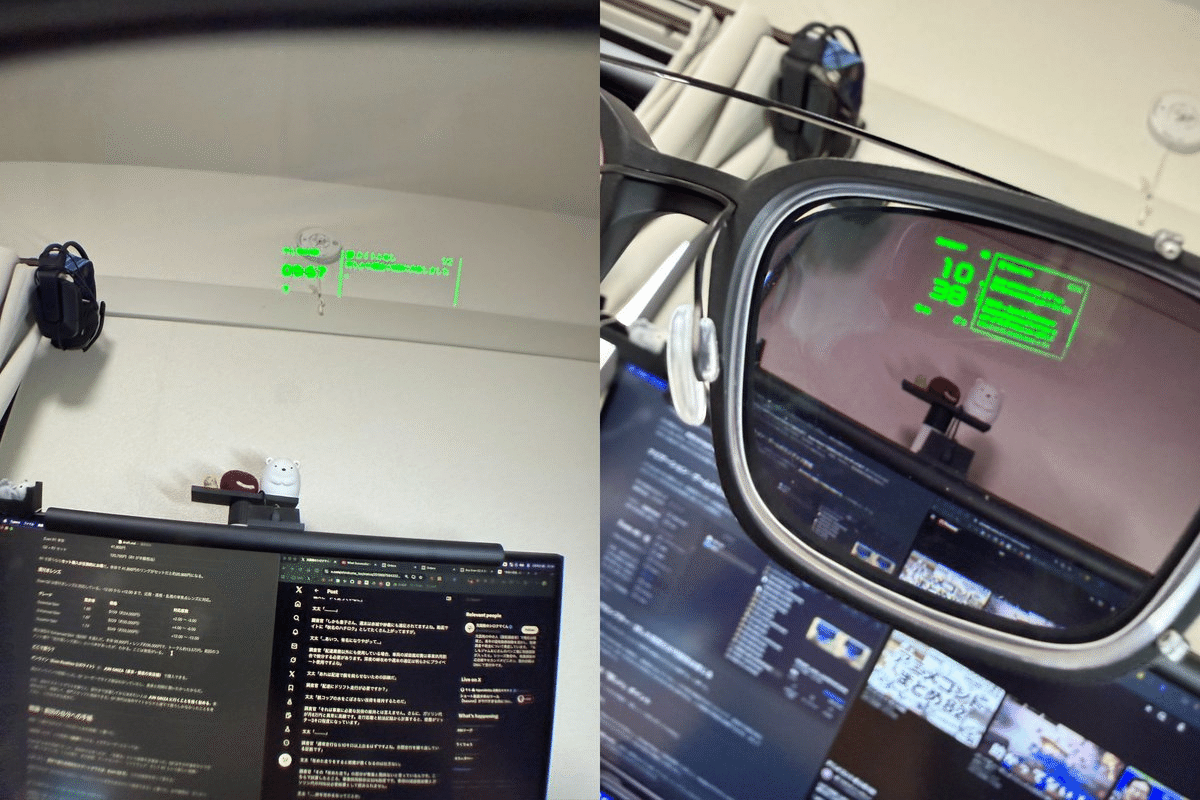
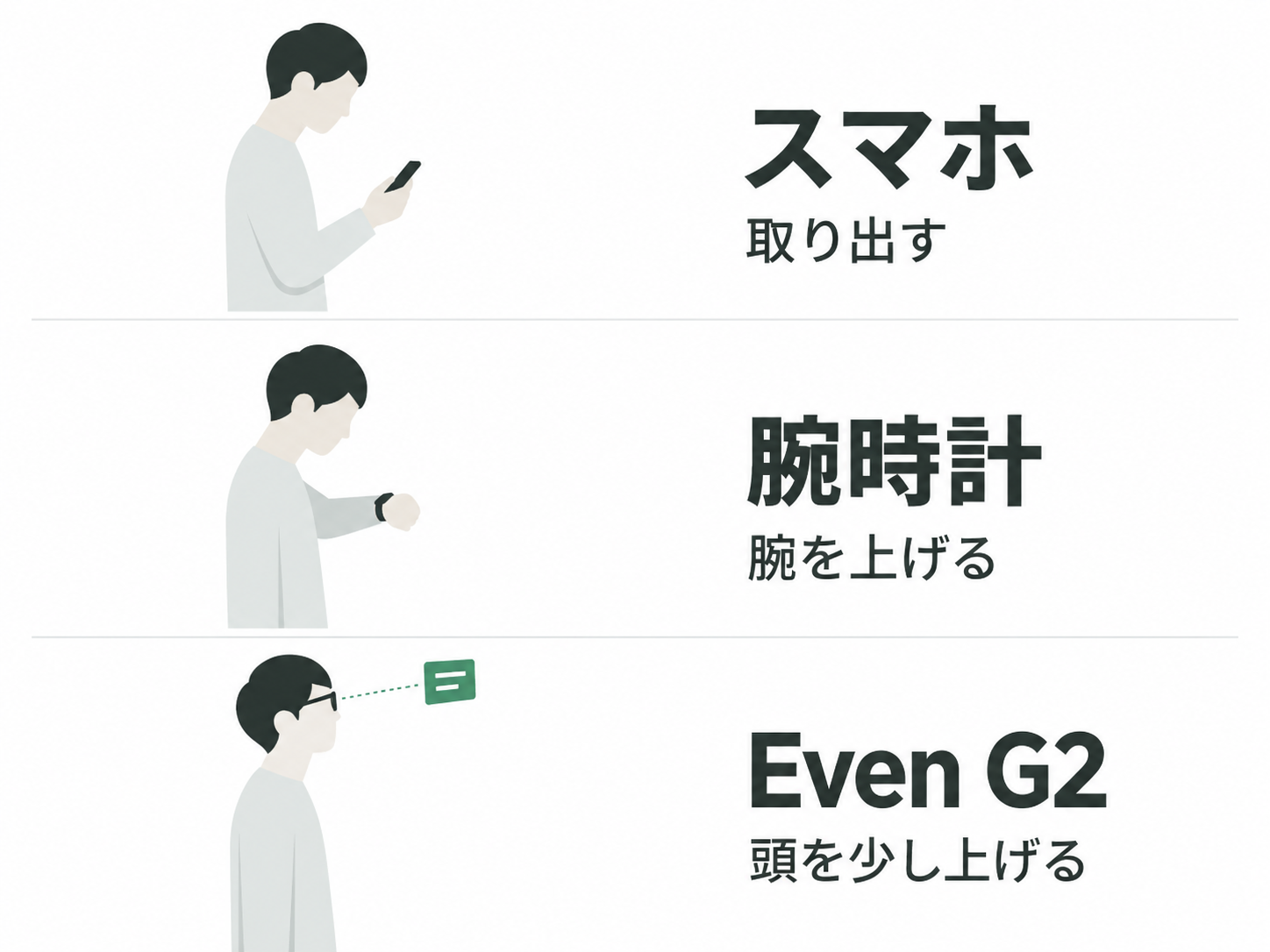
Raise your head slightly, and the information appears
One of my favorite G2 features is Head-Up: raising my head brings up the dashboard. I do not need to take out my phone, or even raise my wrist as I would to check a smartwatch.
I became used to this movement with the previous G1. Now I sometimes catch myself looking up for information even when wearing another pair of glasses. It has become that much a part of my routine.
Notifications are what I use most often day to day. While working at my computer, I can read a verification code or decide whether a message needs an immediate reply. A slight glance upward lets me check what to do next. More and more often, that is all I need to do.
There is also a setting that displays notifications automatically when they arrive. In the app, you can adjust both the dashboard content opened by Head-Up and the angle that activates it. Once it suits your posture, even the sense of operating a device starts to fade.Head-Up settings
Rather than learning another feature, a movement I have repeated countless times becomes a little easier. That is where smart glasses make a difference for me.
The software stands out in this category
The main reason I recommend G2 is the quality of its software. Among camera-free smart glasses with a monochrome display, I consider the current G2 unquestionably the best. There is still a substantial gap between it and the alternatives. Together with the Even Realities phone app, it feels like a well-finished everyday tool.
I can choose which apps send notifications, put frequently used functions at the top of the menu, and arrange the information I want on the dashboard. These adjustments let me tailor it to how I use it: notifications at work, translation when listening to another language.
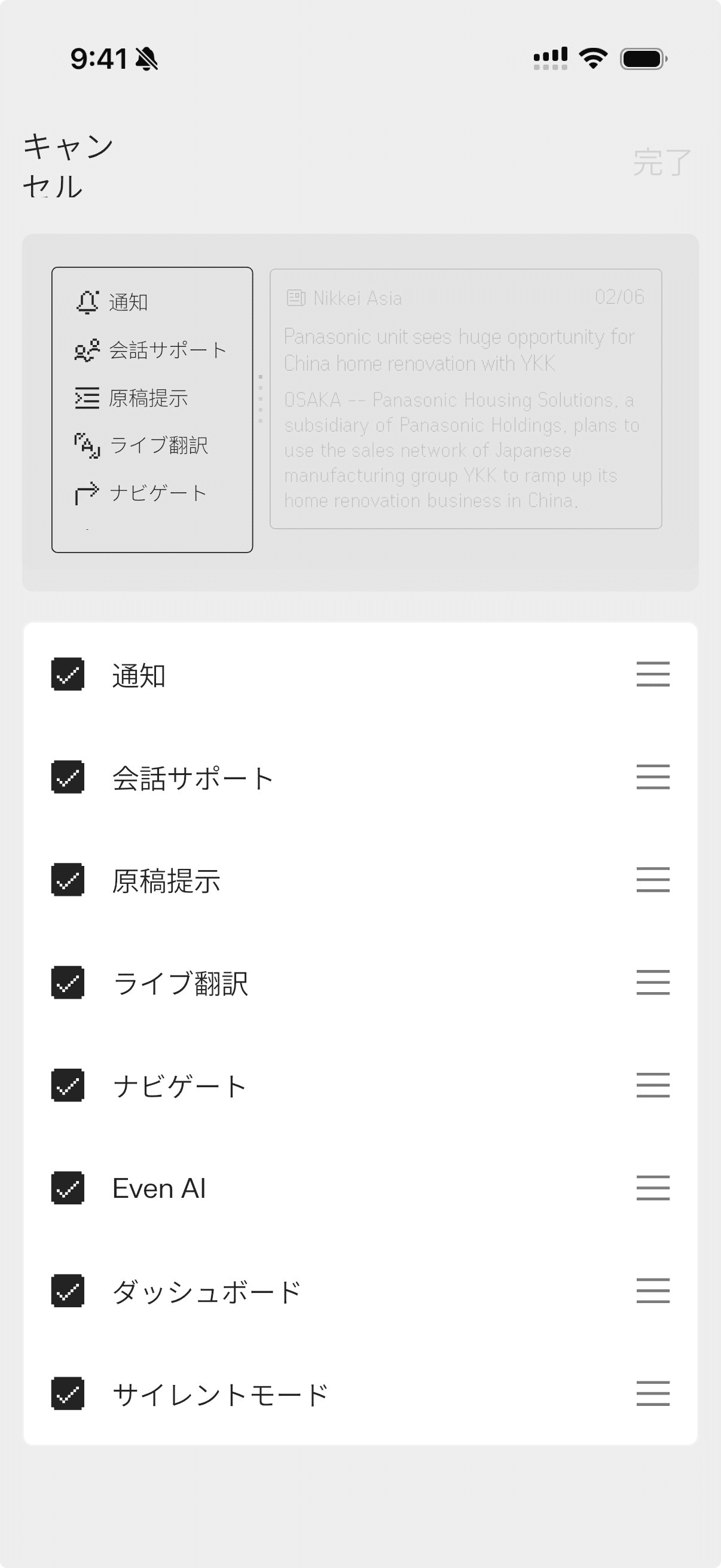
With translation, too, I value how easy the captions are to follow, beyond simply having the feature. G2 has a larger display area than G1, which made reading easier. For a first-time user especially, I think being able to find what you need and read it comfortably matters more than the number of features.
There is room for custom apps, too. Individual developers were already building for G1, and G2 has the official Even Hub. If the built-in functions are not enough, you can create an app that displays the information you want.
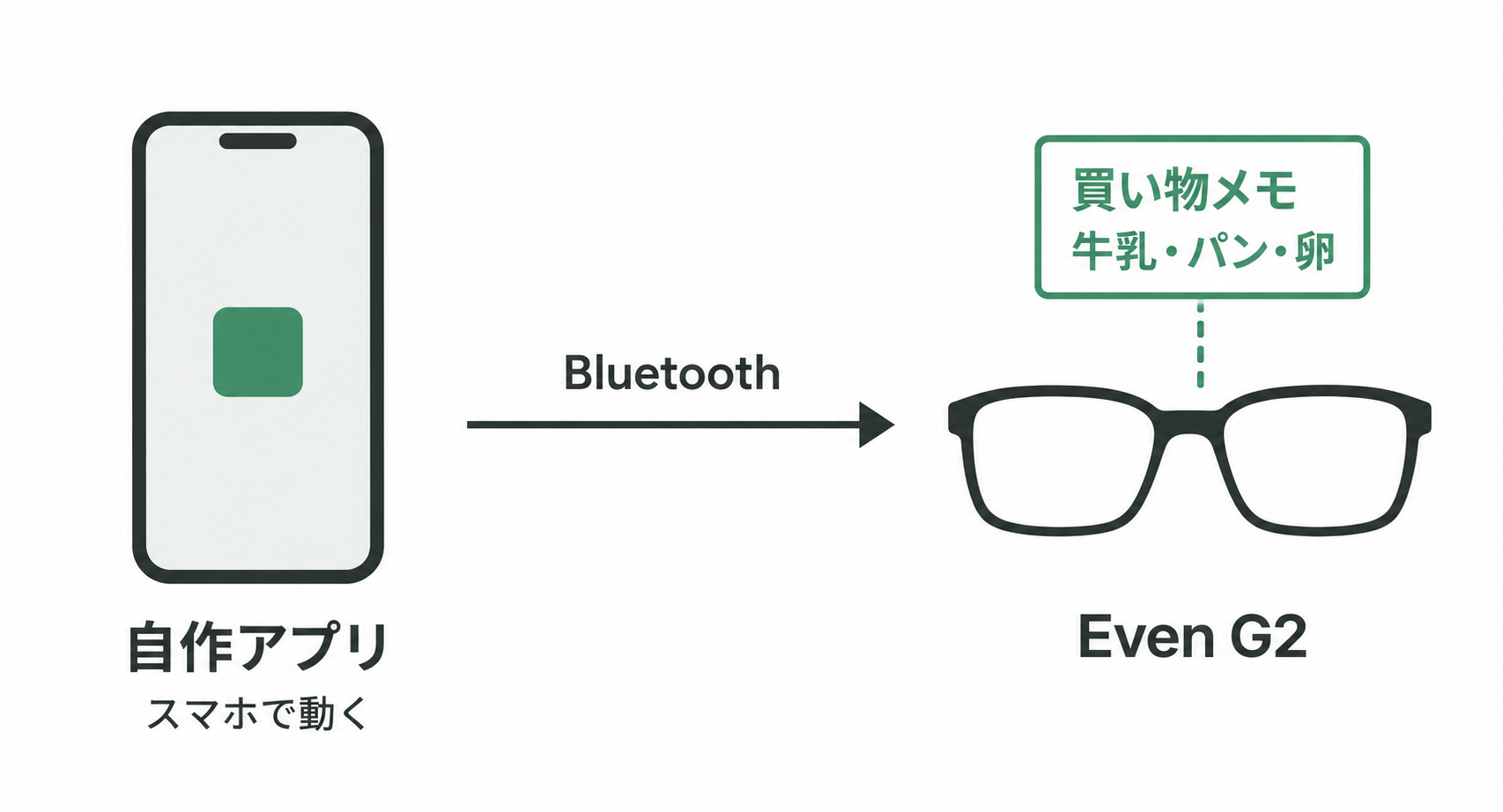
The app does not run entirely inside the glasses. It runs on the phone and connects display and controls to G2. I can use the standard features normally, then expand into my own use cases when needed. Even Realities makes room for individual developers and the community alongside its own features. That approach is another reason I rate the company highly.
Premium eyewear I want to keep wearing
G2 is well finished as eyewear, too. Its temples use titanium alloy, and its lenses have anti-reflective and anti-fingerprint coatings. In my use, fingerprints also show less on the matte temples. On a device you touch to operate, details like this matter every day.Materials and specifications
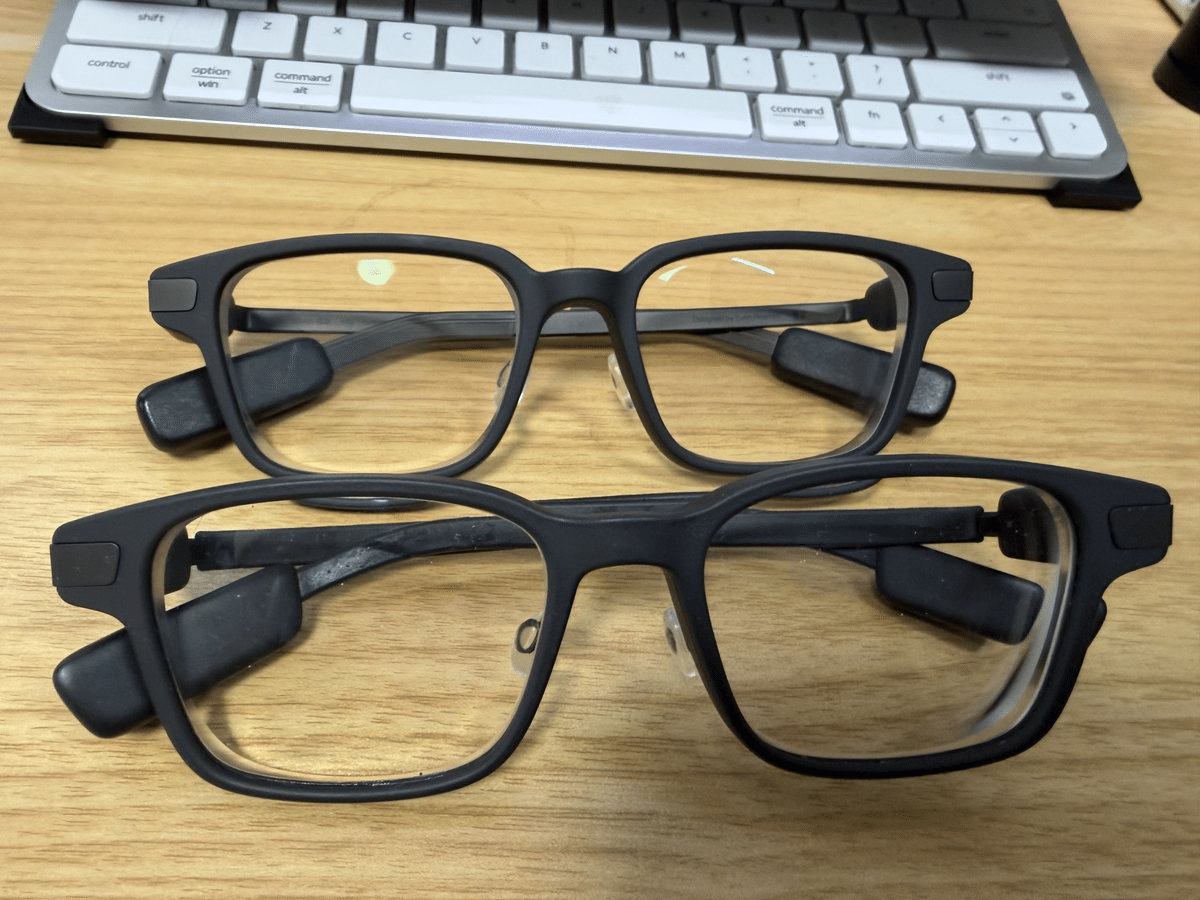
The non-prescription model is specified at approximately 36 g, including the lenses. My prescription G2 weighed 45.7 g on my scale. It felt less tight at the temples than G1 and more comfortable for long periods. The battery also lasts through a normal day of my use. I use the charging case when translating for extended periods, but on ordinary days I can go about my routine without thinking much about battery life.
The lack of a camera also makes it easier to keep wearing G2 when meeting people. Others are less likely to wonder whether they are being filmed, and I have less reason to worry about being suspected of covert filming. I think that social and psychological reassurance is also part of the interest in this category in Japan. Together with its ordinary-eyeglass appearance, it makes G2 easier to bring into everyday life.
I kept using G2 even after ICL surgery meant I no longer needed prescription glasses. I choose to wear it because it is useful, beyond correcting my vision.
The controls still have room to improve
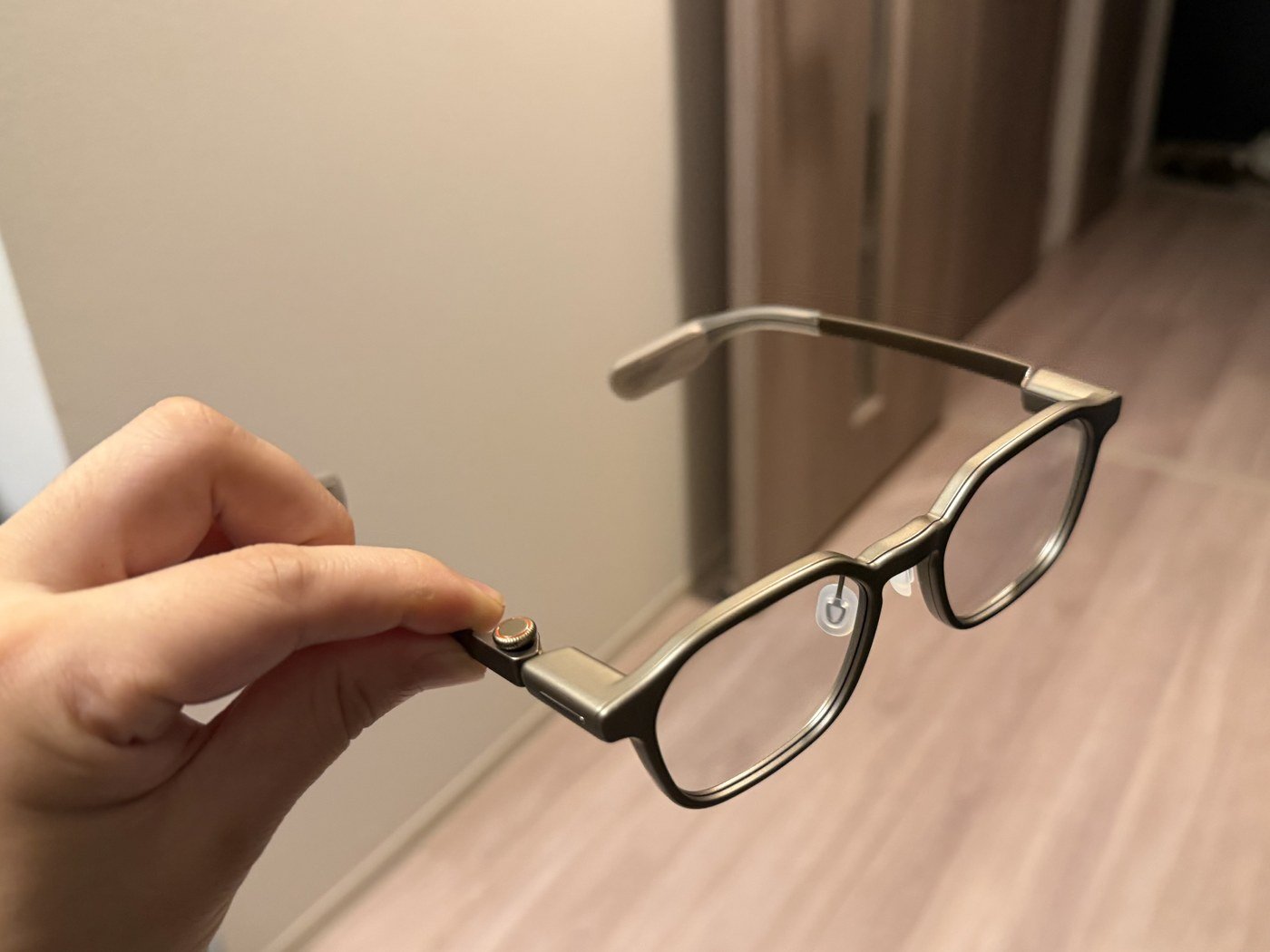
High overall quality does not mean everything is perfect. G2 uses touchpads on its temples, which can be less responsive when hair gets in the way, for example. Unlike a physical button, they also do not let me confirm an action by the feel of a press.
For reliable control, I liked the physical Smart Crown on RayNeo iO. Turning to choose and pressing to confirm felt straightforward. G2, meanwhile, is rated IP65 for dust and water resistance, compared with IP54 for iO. I see the G2 design, including its controls, as a trade-off that prioritizes weather resistance for everyday wear.G2 specifications · iO specifications
G2 also has an optional ring controller, Even R1. It reduces how often I need to reach up to my glasses. I am a big fan because I can operate it with my arm down.
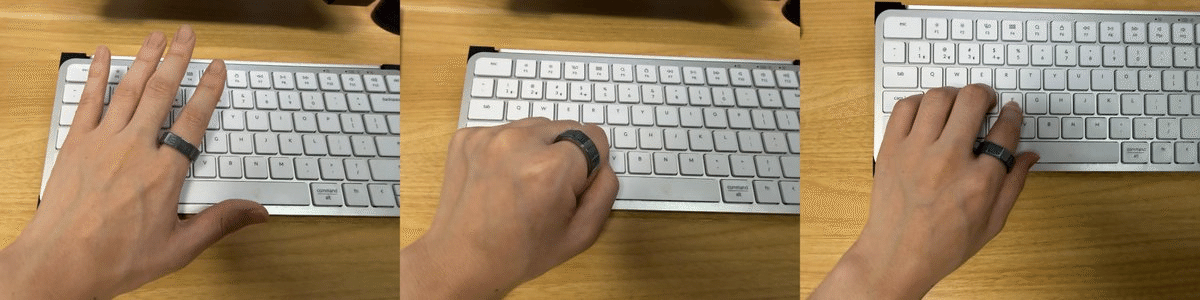
R1 also uses touch controls, though, and I still want its responsiveness to improve. G2 can be operated on its own, so the ring is not essential, but I recommend trying them together if you plan to use it every day.
My benchmark for comparing other smart glasses
G2 is not an inexpensive purchase. Still, I think it is worth using for the long term if it serves as premium everyday eyewear while reducing the effort of checking a phone. It is especially easy to adopt if you already wear glasses. If you normally go without, the deciding question is whether the convenience is worth wearing glasses throughout the day.
For me, G2 is currently the most useful pair of smart glasses, and the one I want to keep wearing. A slight lift of the head, readable text, app settings, controls at my hand and a finish that shows fewer fingerprints: each detail is small, but together they change the everyday experience.
That is why I judge other models by whether they feel as natural to use as G2. I recommend it as a first pair of smart glasses for more than the chance to try unusual features. As an everyday tool, it has already become hard for me to give up.
For more on how it feels to use, see my one-week review of Even G2 and R1; for the ring, see my Even R1 article.
 RayNeo iO
 Even G2