
Comparison
INMO GO3 vs Rokid Glasses: Comparing two camera smart glasses
A hands-on comparison of INMO GO3 and Rokid Glasses: capture speed, image quality, comfort, touch controls and translation battery life.
First published:note
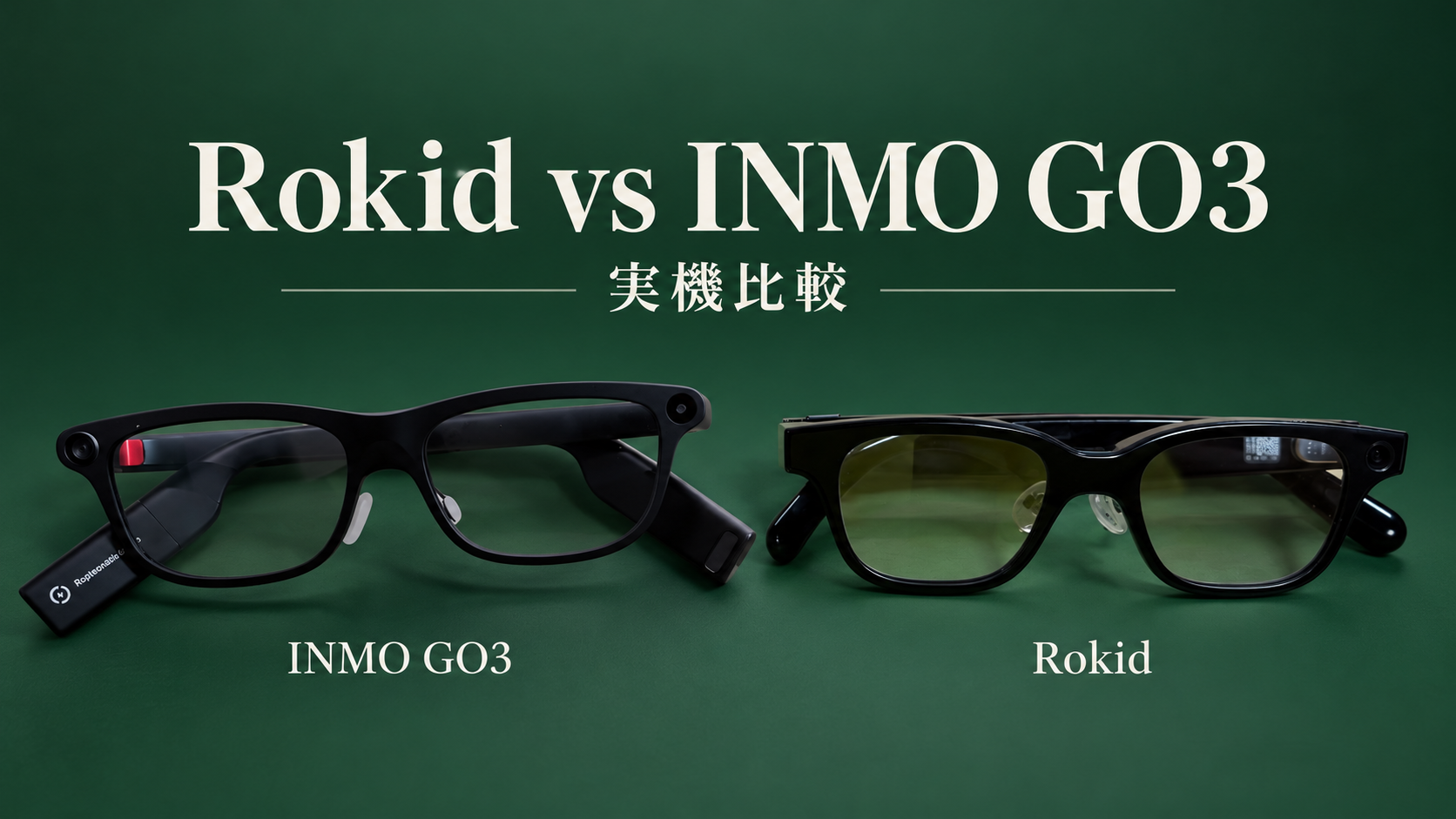
Rokid Glasses are my benchmark when choosing smart glasses with a camera. I can take photos with both hands occupied and read subtitles or AI answers in my field of view. Operation and battery life still have their issues, but this is the pair I would compare other camera glasses against first.
INMO GO3 is the challenger. It has the same all-in-one combination of display, camera, speakers and microphones, with a list price about ¥10,000 lower. I backed it on Kickstarter and spent a week using the GO3 after it arrived in early October. Here I compare the two camera-equipped glasses through both their specifications and hands-on use.
Rokid wins on the camera, video, processing power and software. GO3 wins on appearance, touch controls, translation battery life and included accessories. For camera smart glasses, I would choose Rokid today. But GO3 has a case if you use translation for long periods.
Specifications side by side
INMO Japan official siteandRokid Japan official siteprovide the figures compared here. Blank cells mean the official page does not list that item.
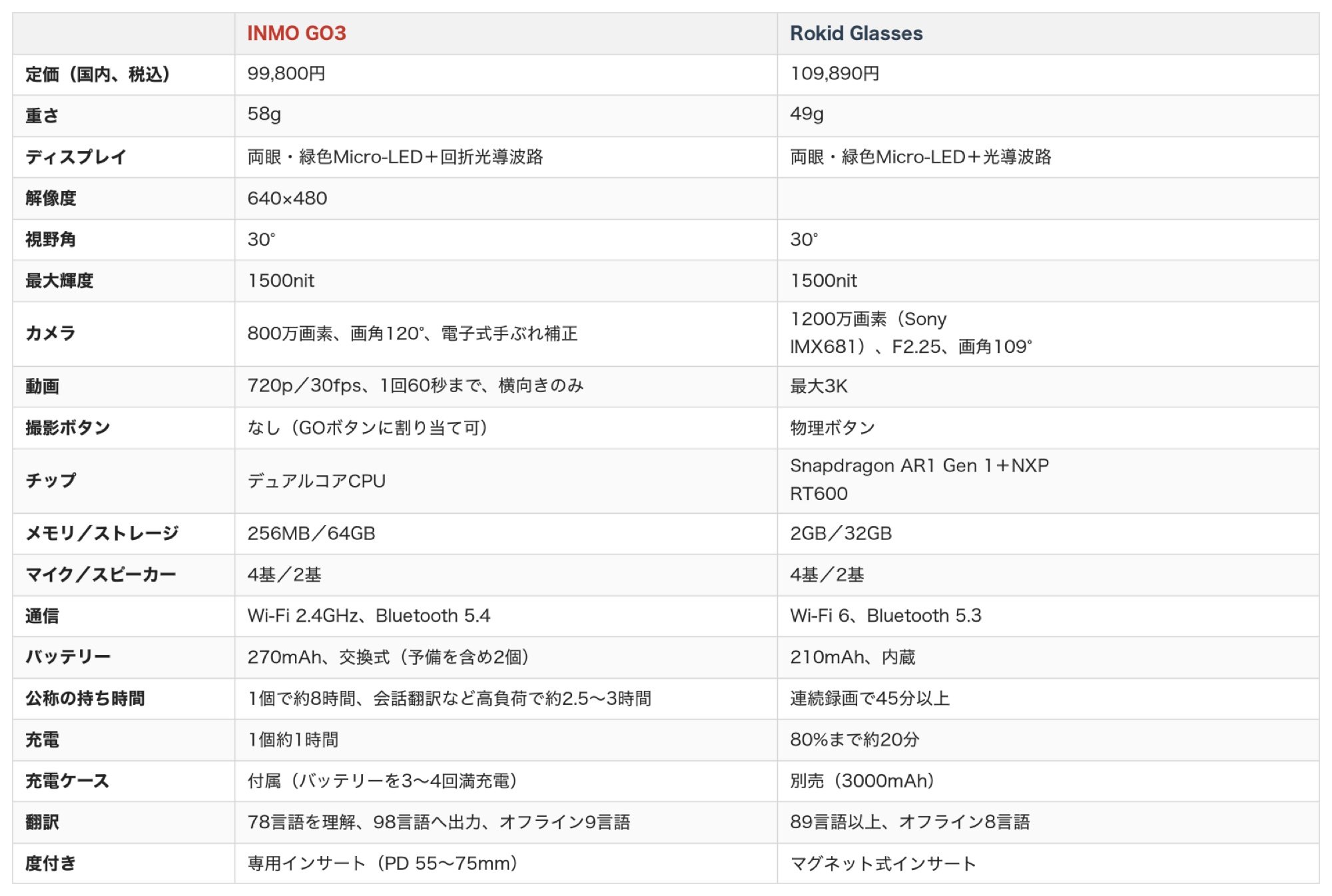
You can also compare the two sets of specifications on this site's comparison page.
Compare Rokid Glasses and INMO GO3 specifications。
Their displays are roughly on a par. Field of view and brightness are the same, so the numbers do not reveal differences in how they look. The gaps are in the cameras, video and internal hardware.
Rokid has a 12-megapixel camera and GO3 an 8-megapixel camera. The video gap is larger: GO3 records 720p at 30fps for up to 60 seconds per clip, while Rokid supports up to 3K. GO3's wider 120° camera field of view captures more of the scene.
The internal hardware differs considerably too. Rokid uses Qualcomm's Snapdragon AR1, designed for smart glasses, with 2GB of memory. GO3 has an unnamed dual-core CPU and just 256MB of memory—an eightfold difference. Rokid supports Wi-Fi 6, while GO3 is limited to 2.4GHz Wi-Fi.
GO3 wins on the battery instead. Its 270mAh capacity is larger than Rokid's 210mAh, and it is replaceable. A charging case is included too.
These differences largely matched my experience. Here is how the two compared in use.
Capture speed: Rokid wins
The value of camera glasses is being able to take a photo without raising your phone. With your hands full or while playing with your child, you can capture what is in front of you without interrupting it. That makes the delay between wanting a photo and taking it especially important.
Rokid won decisively here. Press its physical button and it takes a photo in under a second.
GO3 has no dedicated shutter button. You press a button, open the menu, select the camera and finally take a photo. Even with the customizable GO button assigned to the camera, launching it takes about a second, followed by another wait before it automatically takes a picture.
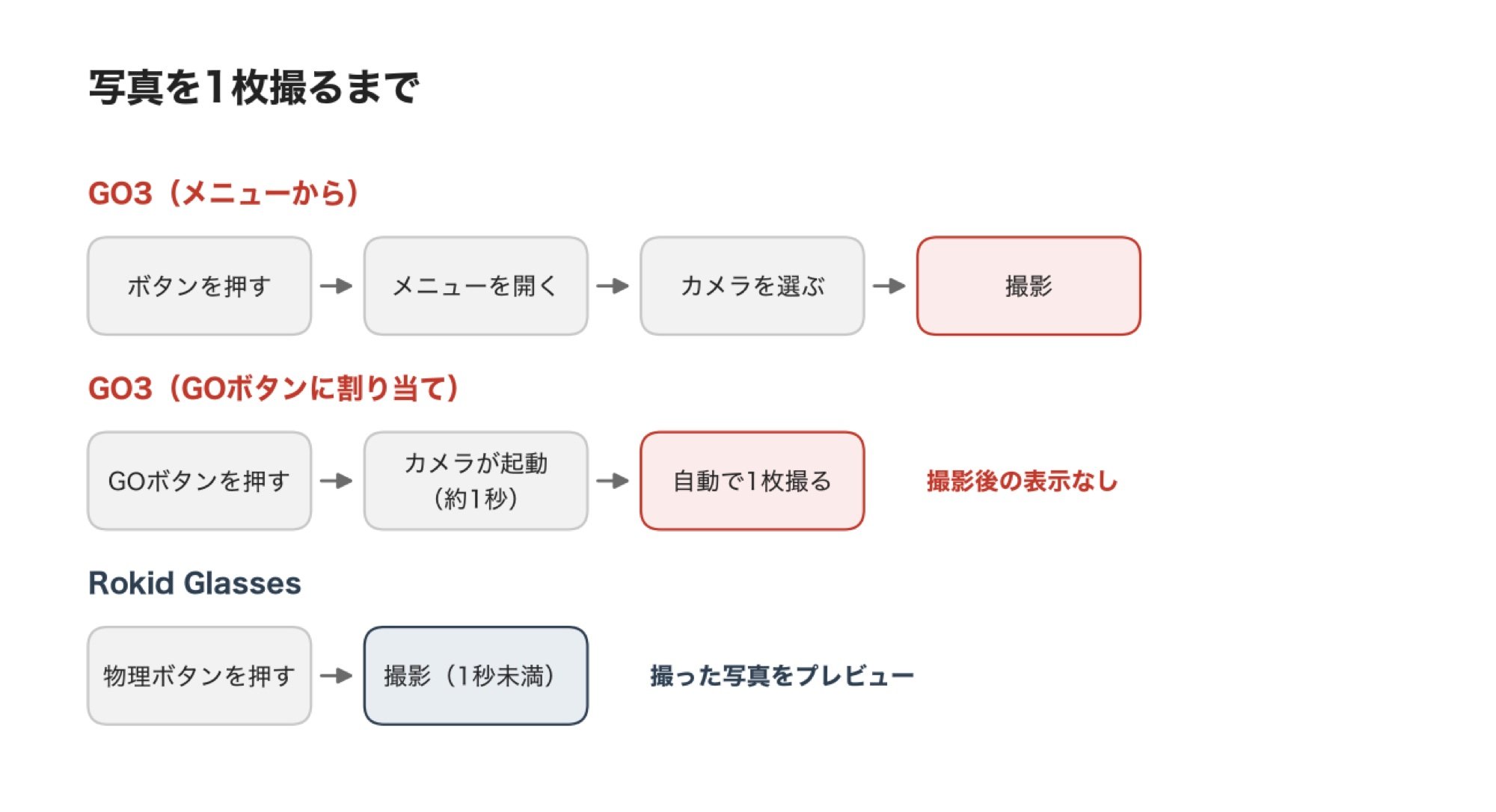
A second may sound trivial. But a moment worth capturing does not wait. If my child pulls a funny face, it is gone by the time I have navigated GO3's menu.
I cannot tell from the outside why its camera launches slowly. Still, it would not be surprising if there were a difference in headroom between GO3 handling recording, translation and photography with 256MB of memory and Rokid with 2GB.
Camera interface: Rokid wins
Rokid's camera interface also feels better thought out.
While ready to shoot, Rokid shows only a frame in my field of view. Press the button and it takes a photo, then shows a preview. Only what is needed appears.
GO3 shows a shutter button in my field of view.
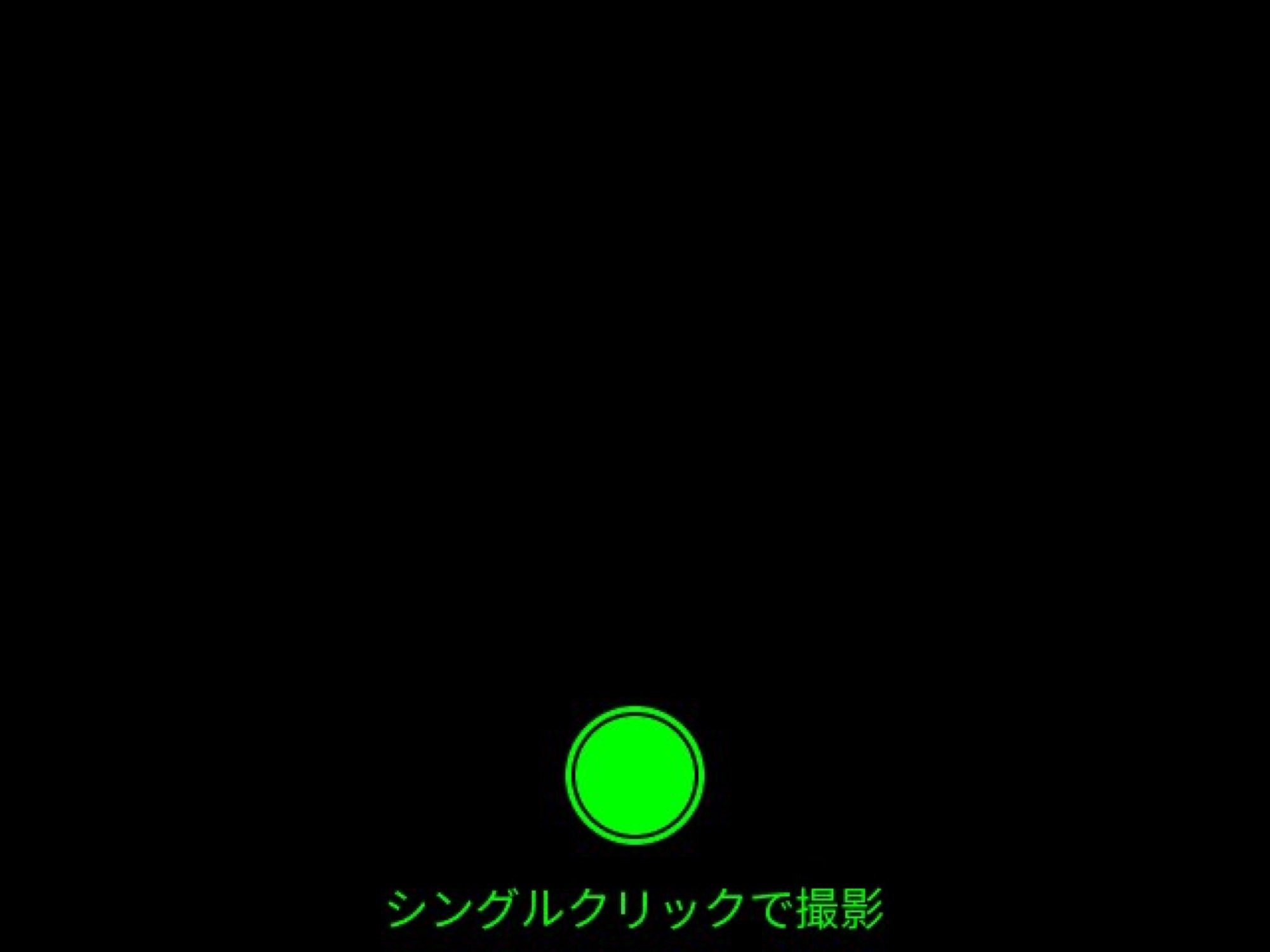
But I cannot press that. These are not a smartphone.
It brings a smartphone camera interface straight into my field of view. An untouchable button is just visual noise. When recording starts, the shutter turns into a square and an elapsed-time counter appears, just like on a phone. There is no preview after taking a photo either, so I cannot tell from the display whether it came out properly.
Photos and video: Rokid wins, especially at night
In daylight, the difference does not feel dramatic unless I compare them side by side. When I do, Rokid captures finer detail. GO3's wide 120° field of view takes in more of the scene.
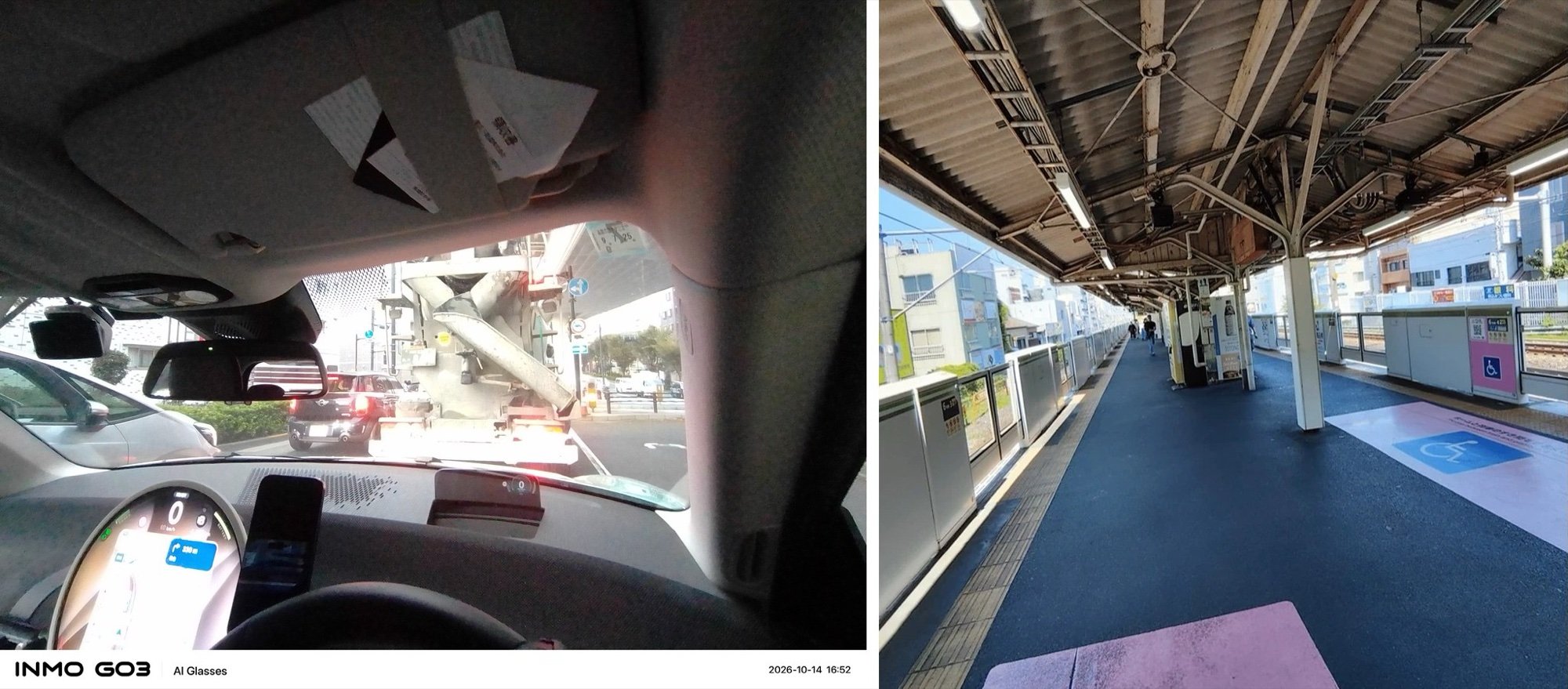
The difference becomes clear at night. Here are photos of the same intersection after dark.
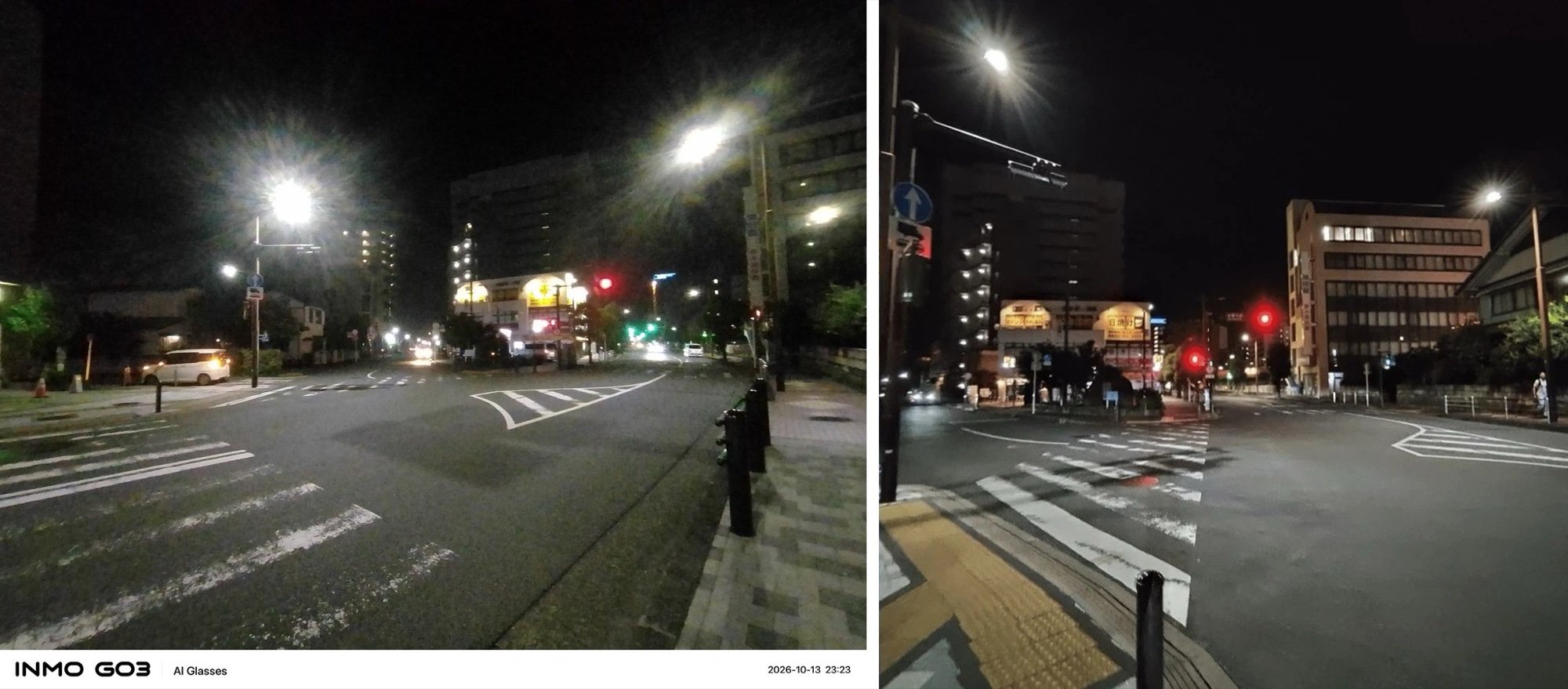
GO3 spreads the streetlights into large flares, obscuring their surroundings. Rokid shows less flare and captures even the windows of the building farther back. If you shoot at night, this is a substantial difference.
Video widens the gap. GO3 records only 720p at 30fps, for up to 60 seconds at a time, and only in landscape orientation. While filming my child playing, it stops very quickly. Rokid supports up to 3K. Its rated battery life during continuous recording is over 45 minutes. However, theThe official FAQlists a maximum of 10 minutes for an individual clip. Time spent recording and the limit for one video should be considered separately. For my video use, GO3 is not a contender.
GO3 includes covers that physically conceal the camera. Nine are supplied, so you can put one on before meeting someone who is uncomfortable with a camera. I hardly used them, but the consideration is welcome.
Appearance: GO3 wins
Outside the camera, GO3 holds its own.
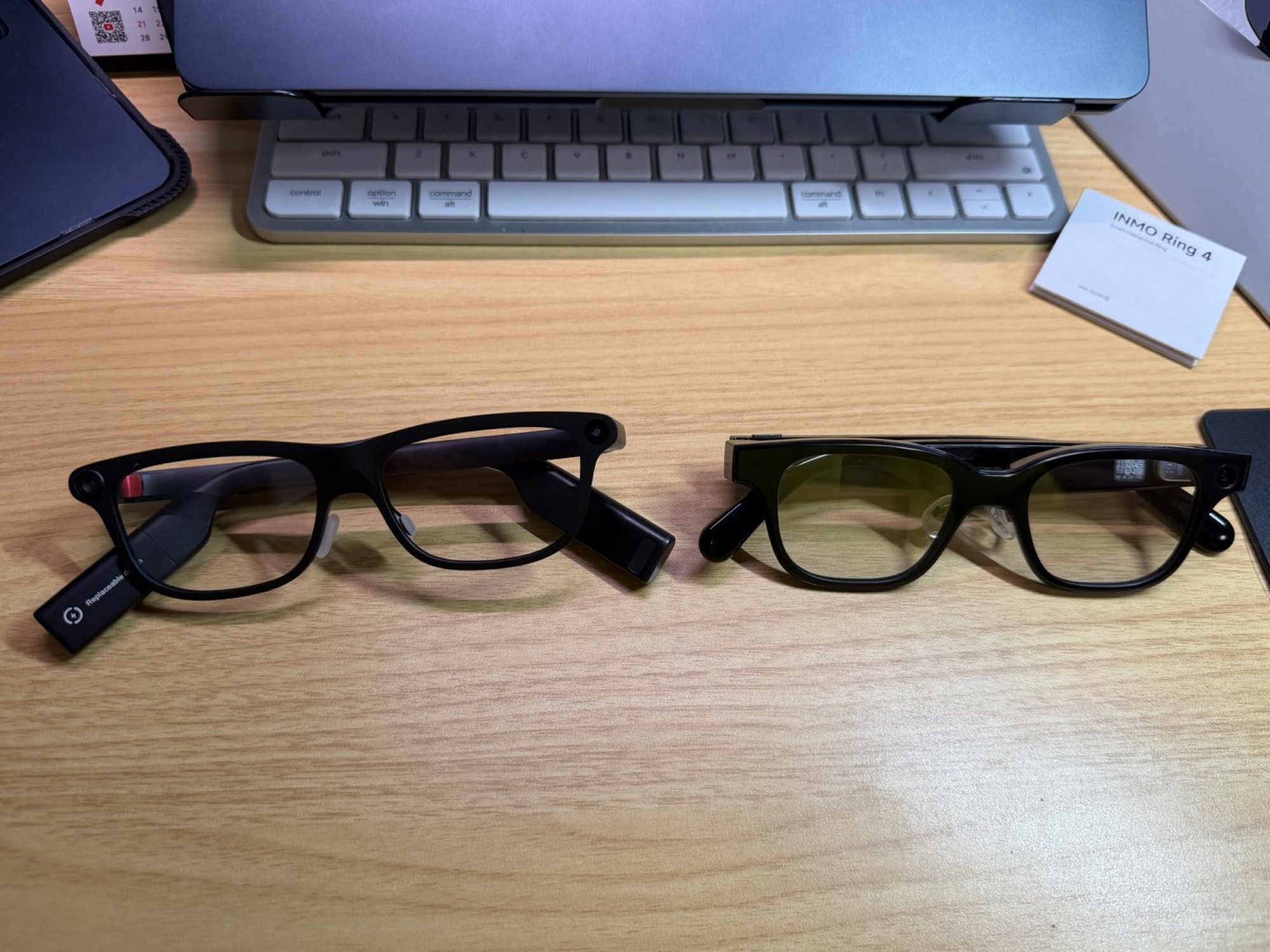
First, the finish. Rokid has glossy black frames that pick up fingerprints wherever I touch them. Even the touch-control temples are glossy, so fingerprints accumulate as I use it. GO3 has a matte finish, and fingerprints remained barely noticeable after a week.
GO3 also has slimmer-looking frames from the front. It can pass for ordinary glasses.
Comfort: Rokid wins
Comfort reverses the result, though.
The rear of GO3's temples, where the batteries sit, is thick. My caliper measurements were 6.0mm for GO3 and 3.4mm for Rokid, a difference of about 1.8 times. That thicker section rests against my ears and became slightly painful during long wear.
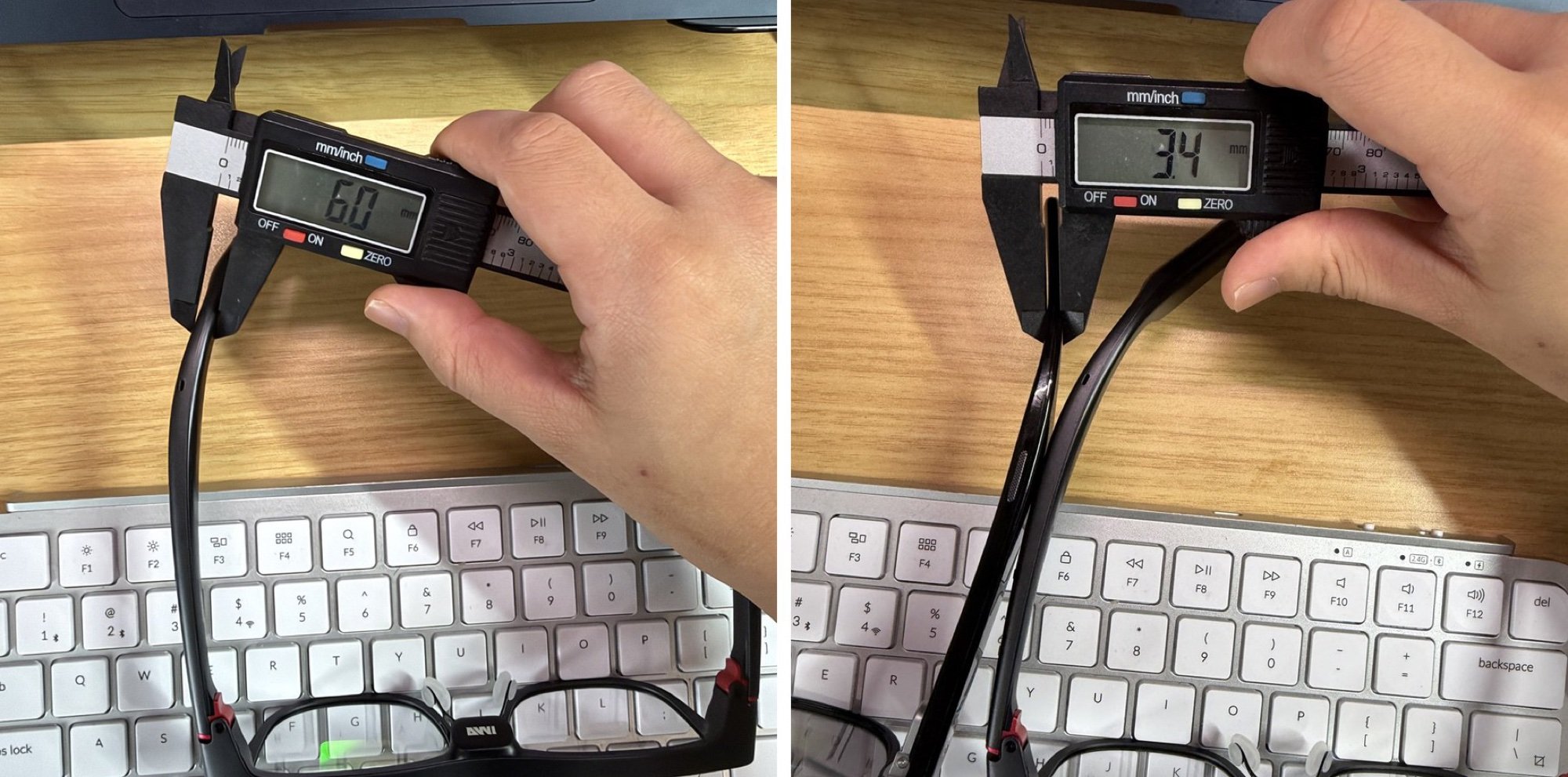
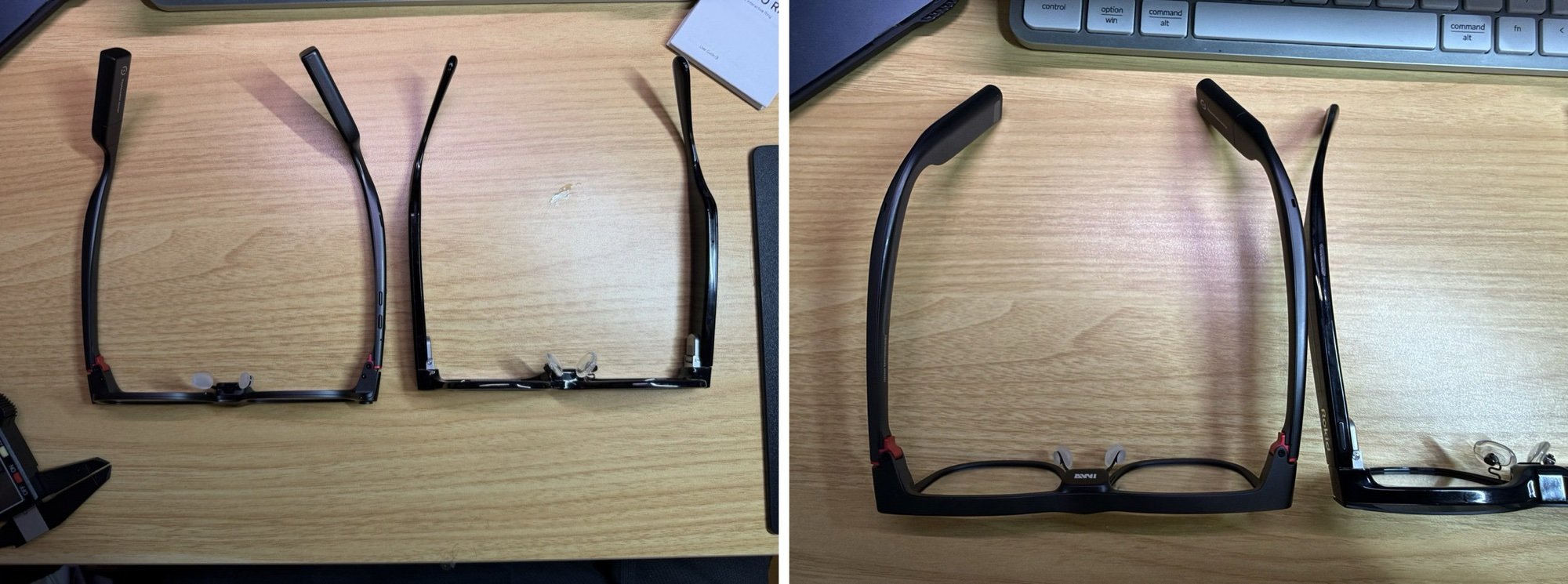
GO3 weighs 58g and Rokid 49g, a 9g difference. I like the larger, replaceable battery, but noticed the weight and pressure on my ears. Rokid's cushioned nose pads and flexible temples made it comfortable to wear for longer periods.
Touch controls: GO3 wins
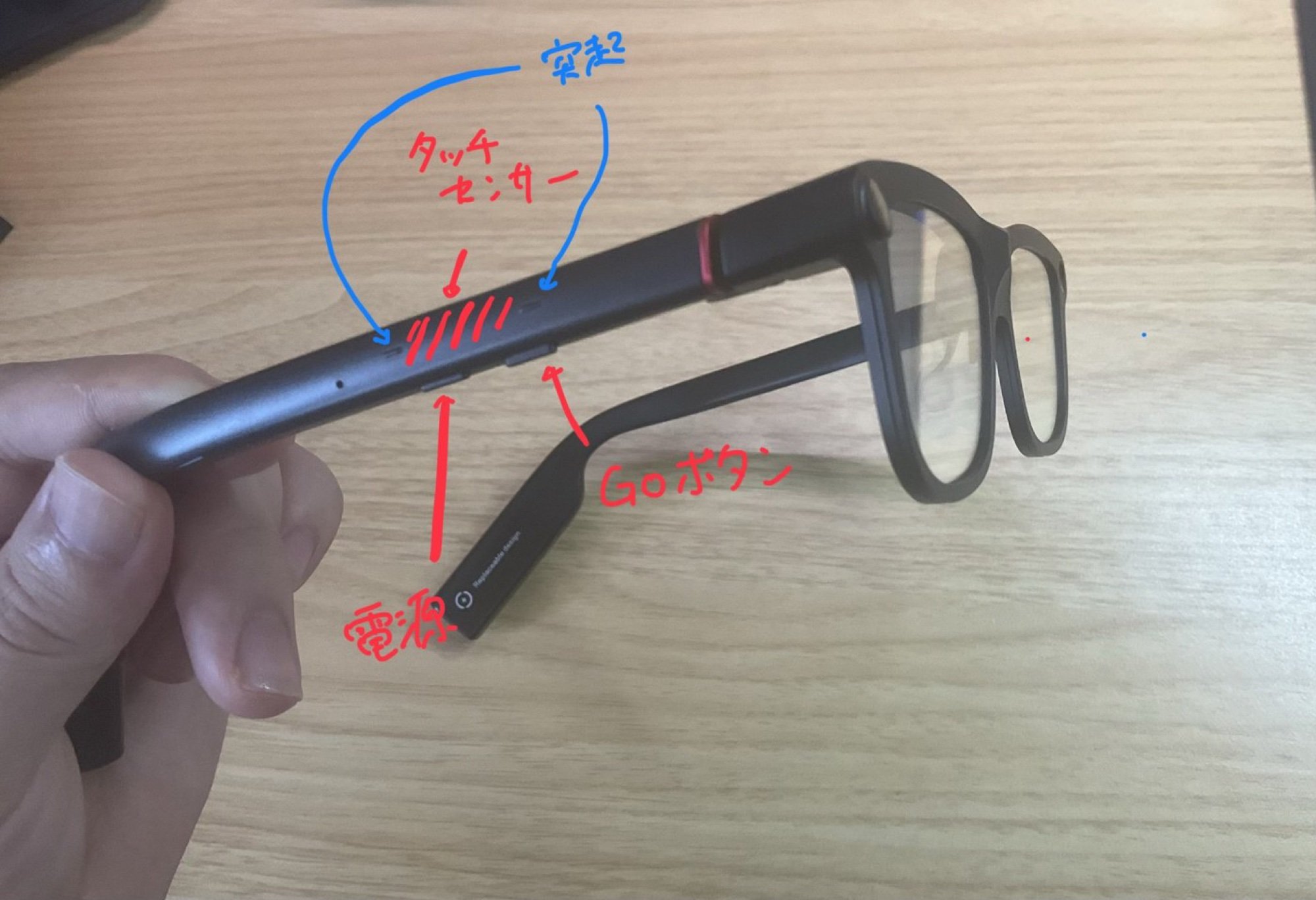
Both use swipes and taps on a touch sensor on the right temple. The difference was whether I could locate the touch area by feel.
GO3 has small bumps at the front and rear of the touch sensor, so my finger can find its boundaries. Rokid does not make the area clear by touch. Until I got used to it, I sometimes swiped in the wrong place.
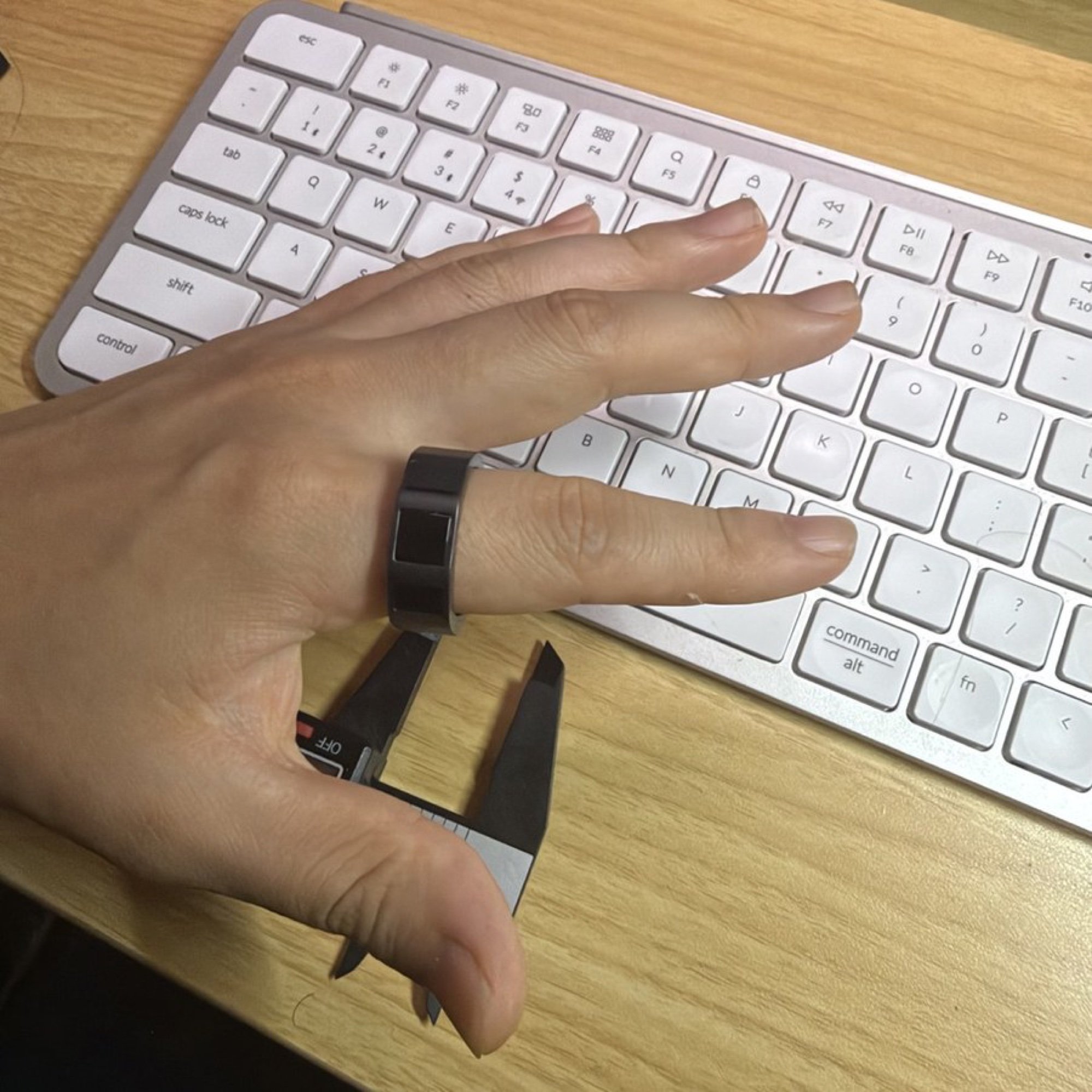
Both have ring-shaped controllers available. GO3's is the Ring4, but I do not recommend it. The swipe direction runs perpendicular to the ring, leaving only the width of the band to move my finger across. It comes in one size and was loose even on my adult male index finger. It is fine for trying the full set of features, but awkward as a control device.
Translation and battery life: GO3 wins
GO3 clearly wins when translation needs to stay on for a long time.
GO3's battery sits at the rear of the temple and detaches magnetically. It comes with two 270mAh batteries including the spare. When one runs out, I can swap it, restart and keep using the glasses. The rated endurance is about 2.5–3 hours per battery under heavy use such as conversation translation. In practice, one battery lasted three hours with simultaneous translation continuously displayed.
When I tested Rokid in May, continuous translation drained its battery in about two hours. The 210mAh battery is built in, so the glasses themselves need charging when it runs out. Charging to 80% takes about 20 minutes, but they are unavailable during that time. The charging case and the Power Capsule, which can supply power while wearing the glasses, are both sold separately.
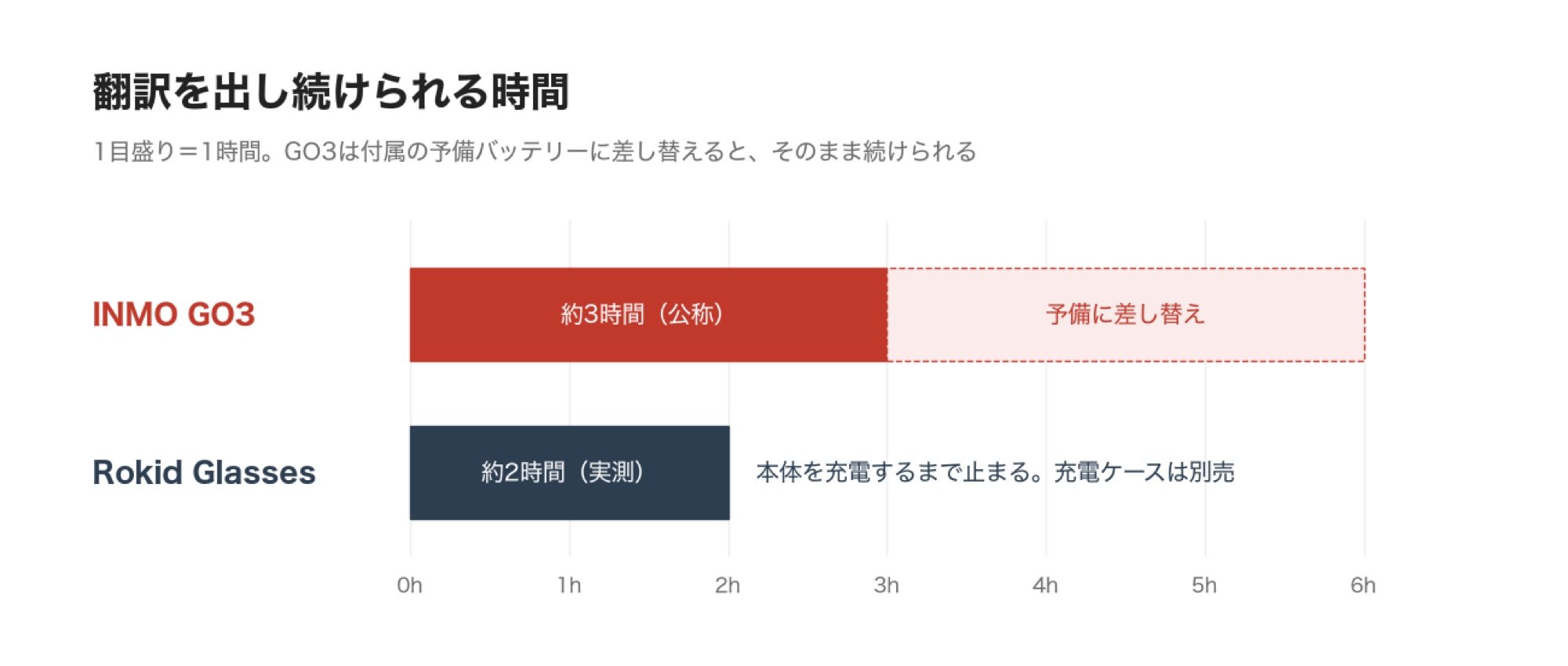
For an interpreting session where I need translation throughout a particular period, that difference directly affects how long I can use it. Swapping GO3's battery shuts it down and requires a restart, but that is still far better than having to stop.
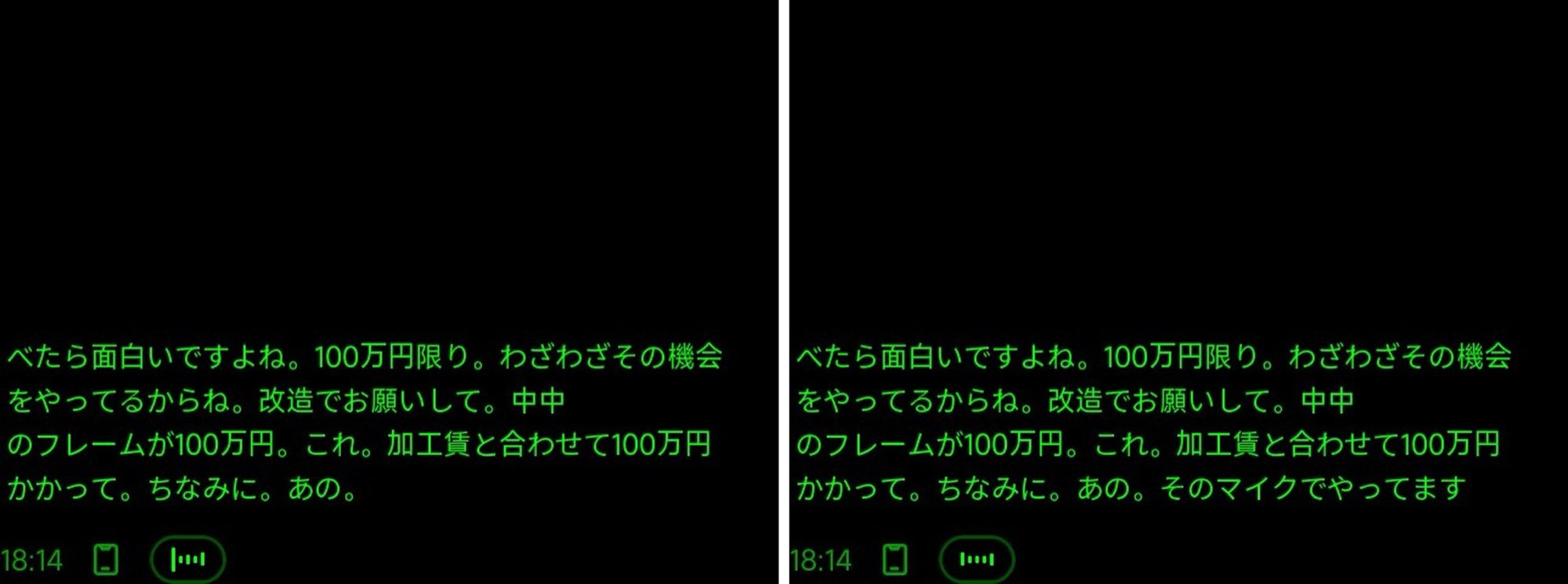
GO3's translation display is not bad either. Subtitles update in chunks of roughly a sentence, and appear fairly quickly. Japanese transcription has plenty of questionable passages, but I can follow the rough meaning. GO3 supports nine offline translation languages and Rokid eight; both include Japanese and English.
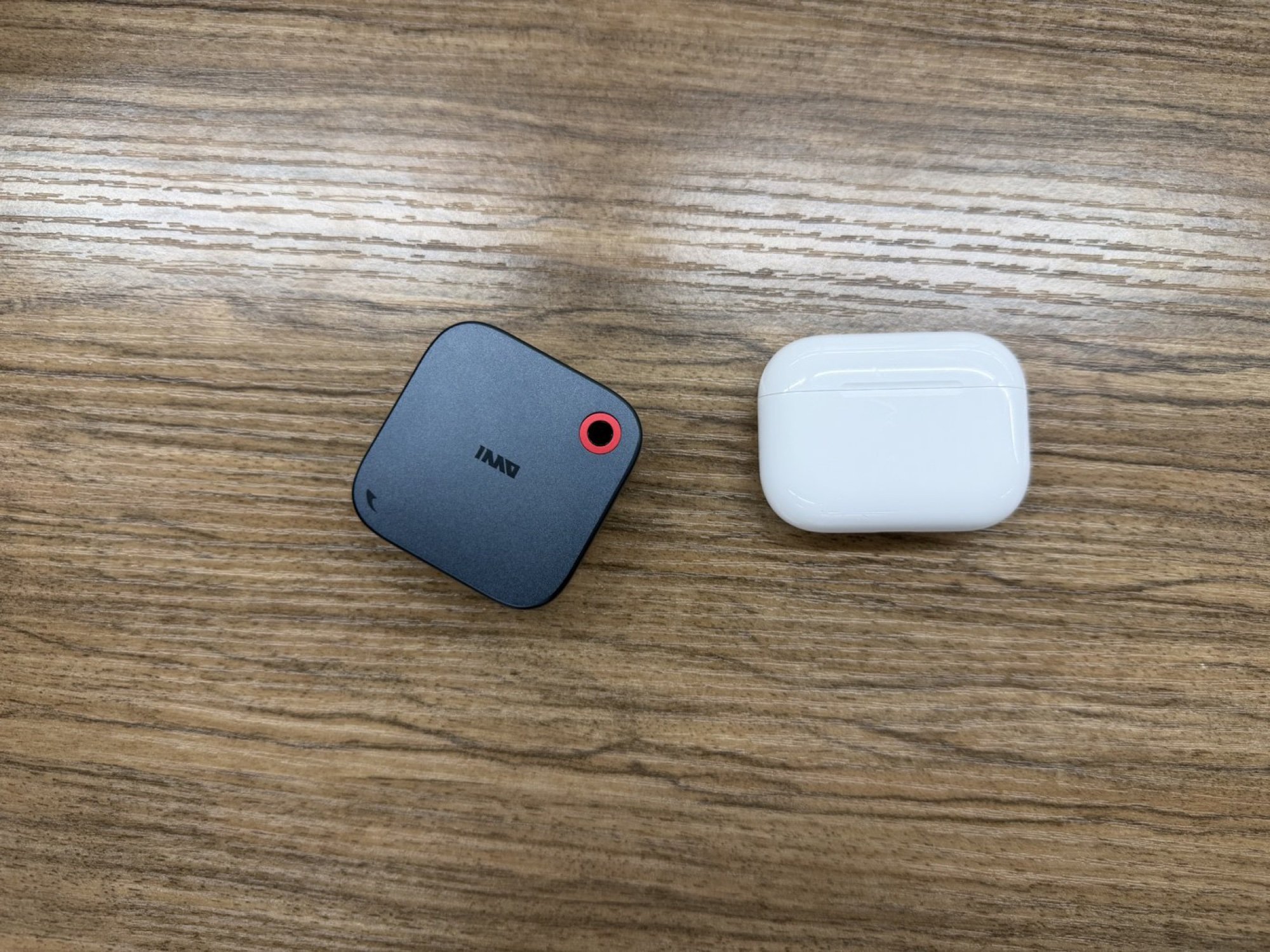
GO3's downside is having more separate parts. Rokid needs only the glasses and a cable, while GO3 means carrying spare batteries and a charging case. The case is about the size of one for wireless earbuds, so the bulk is modest, but separate pieces are easy to lose. It is not ideal for someone disorganized.
Software: Rokid wins
Rokid is unquestionably more polished overall on software. As the camera interface illustrates, GO3 often brings smartphone design assumptions straight into the field of view. After a week, its software bothered me more than its hardware.
I would also recommend Rokid to people who want to build their own apps. Rokid provides a way to publish self-made apps. INMO has yet to offer a developer platform and says it plans to release one.
Face recognition: a GO3 feature I cannot use yet
Another reason I bought GO3 was a feature called AR Social Business Card. It is intended to show the name, company and past interactions of the person in front of you. At the Chinese launch, it was described as offline face recognition for manually registered contacts, with information stored on the device.
I cannot use this feature yet. A recent update added a setting asking whether to enable it, so preparations seem to be progressing.
Face recognition in camera glasses is a bold step. In June 2026, WIRED reported that Meta's smart-glasses app contained unreleased face-recognition code; Meta removed it a few days later.
Meta Silently Added Face-Recognition Code for Its Smart Glasses to Millions of Phones
Even so, I want to try it. For someone who struggles to remember faces, there are definitely situations where it could be a real help. It might be the first feature to make the camera feel valuable to me for something beyond taking pictures. I will write more when I can use it.
Verdict: Rokid for the camera, GO3 for translation
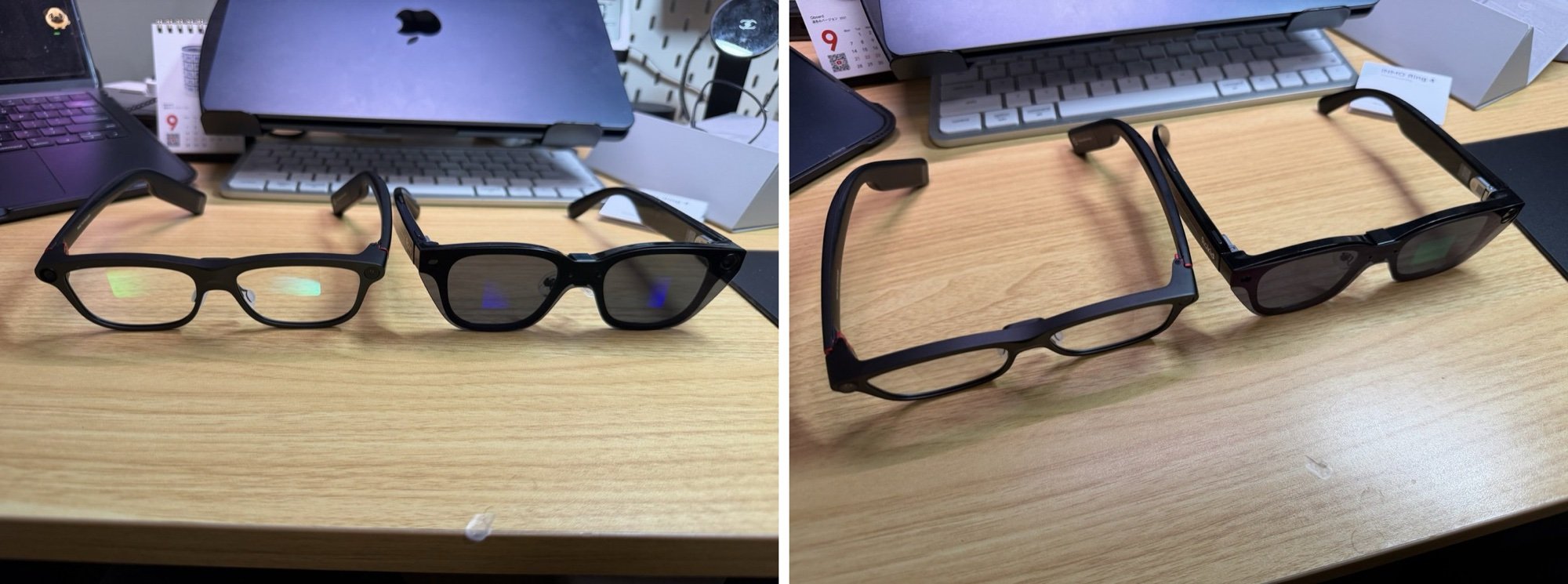
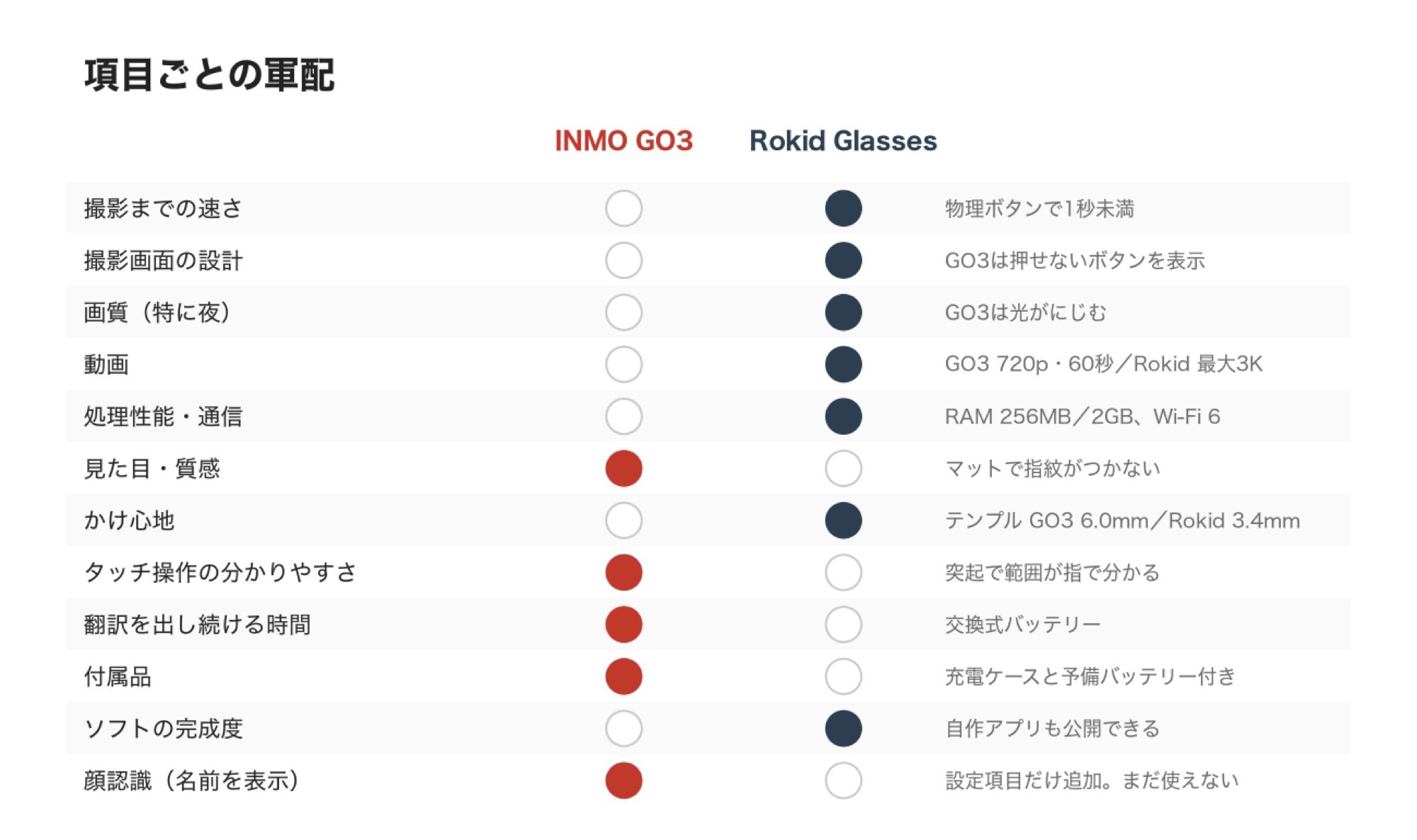
For camera-equipped smart glasses, I would choose Rokid Glasses today. Its physical button captures a moment quickly, photo and video quality are better, and the nighttime difference is particularly large. The chip and memory have more headroom, and the software is polished. It also suits people who want to make their own apps.
If you need translation displayed for long stretches, there is a reason to choose INMO GO3. After a battery swap and restart, you can continue translating without waiting for the glasses to charge. A charging case and spare battery are included, and the list price is about ¥10,000 lower. Its finish that resists fingerprints and natural appearance are advantages too. GO3 may also appeal if you are looking forward to its as-yet unavailable face recognition.
If you do not need a camera, Even G2 is another option. It leaves out both cameras and speakers to prioritize weight and battery life. As glasses to wear every day, I find it more polished.
View Even G2 on Amazon(Advertisement)
Where to buy
Both GO3 and Rokid are available on Amazon.
View INMO GO3 on Amazon/View Rokid Glasses on Amazon(Advertisement)
GO3 was included in the Amazon Prime Appreciation Sale 2026 and was ¥84,830 at 00:11 on October 14. Rokid was ¥98,900 in its Japanese official store's autumn sale from October 16–19. These were prices at the time; check the product pages for current prices and sales conditions.
I have rounded up other smart glasses offered in the sale here.
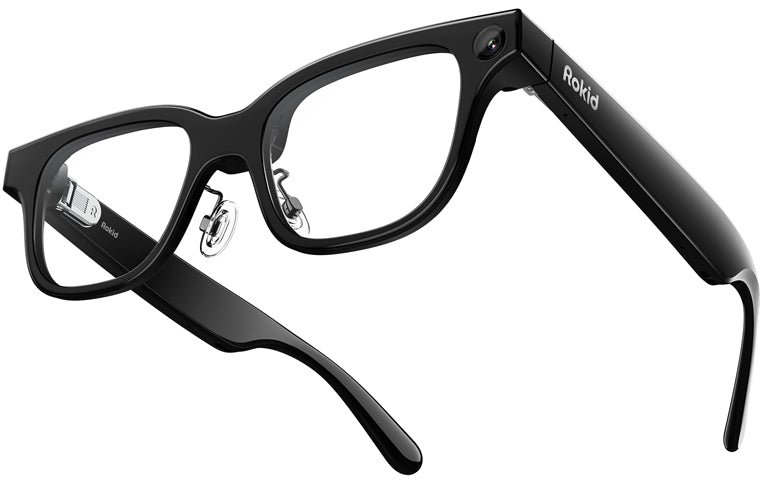 Rokid Glasses
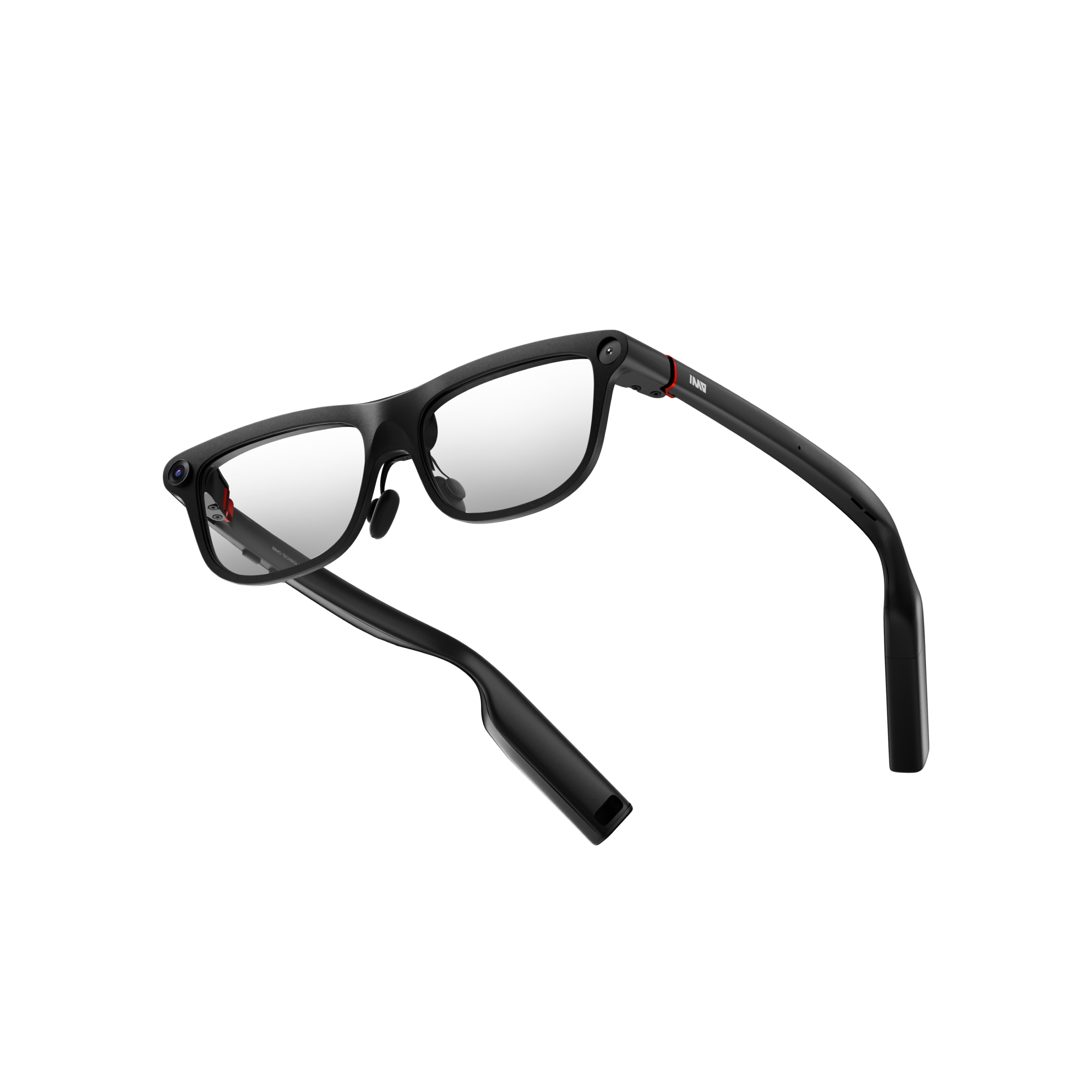 INMO GO3