
Buying guide
Will you use camera AI every day? What happened with my Rokid Glasses
Asking AI about what is in front of me was interesting, but it did not become a habit during my first few days.
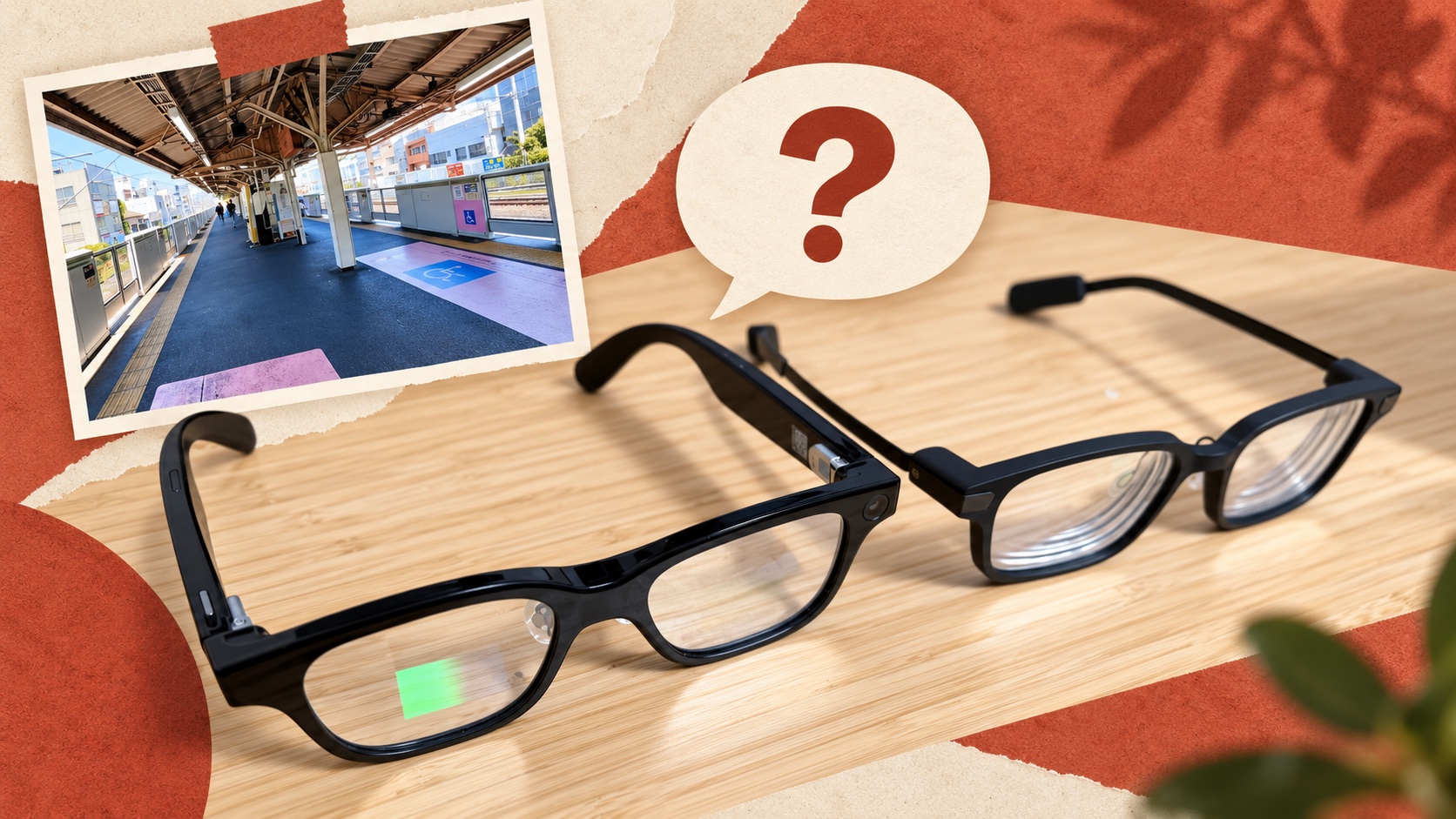
AI-assisted English translation of the author’s Japanese article. Product screenshots and embedded source material are reproduced in their original language. Read the Japanese original.
Ask “What is this?” and AI answers about what you are looking at. Trying it on Rokid Glasses certainly felt futuristic. But in my first few days, I found fewer occasions to use it than I had expected.
Frequency matters more than a capability list
Living in Tokyo and reading Japanese, I did not need AI to explain every sign or menu in front of me. For many questions, my familiar phone felt quicker. Camera AI being interesting did not automatically create daily uses for it.
I saw potential for reading signs overseas, but I had not tested it abroad when writing the original review. An expectation of travel usefulness is not an experience of being helped on a trip. If travel is your goal, look for testing in the language and setting you need.
Reaching for the glasses comes before the question
In the way I operated the glasses then, each question meant reaching for the temple. A small action becomes friction when repeated. After a few days, I sometimes chose my phone before raising my hand. How you summon AI matters to habit formation as well as answer quality.
That is why I would first list moments in my life when my hands are occupied or I want immediate information about something I see. Being impressed by a demo once is a long way from using it every day.
The value as a camera remains
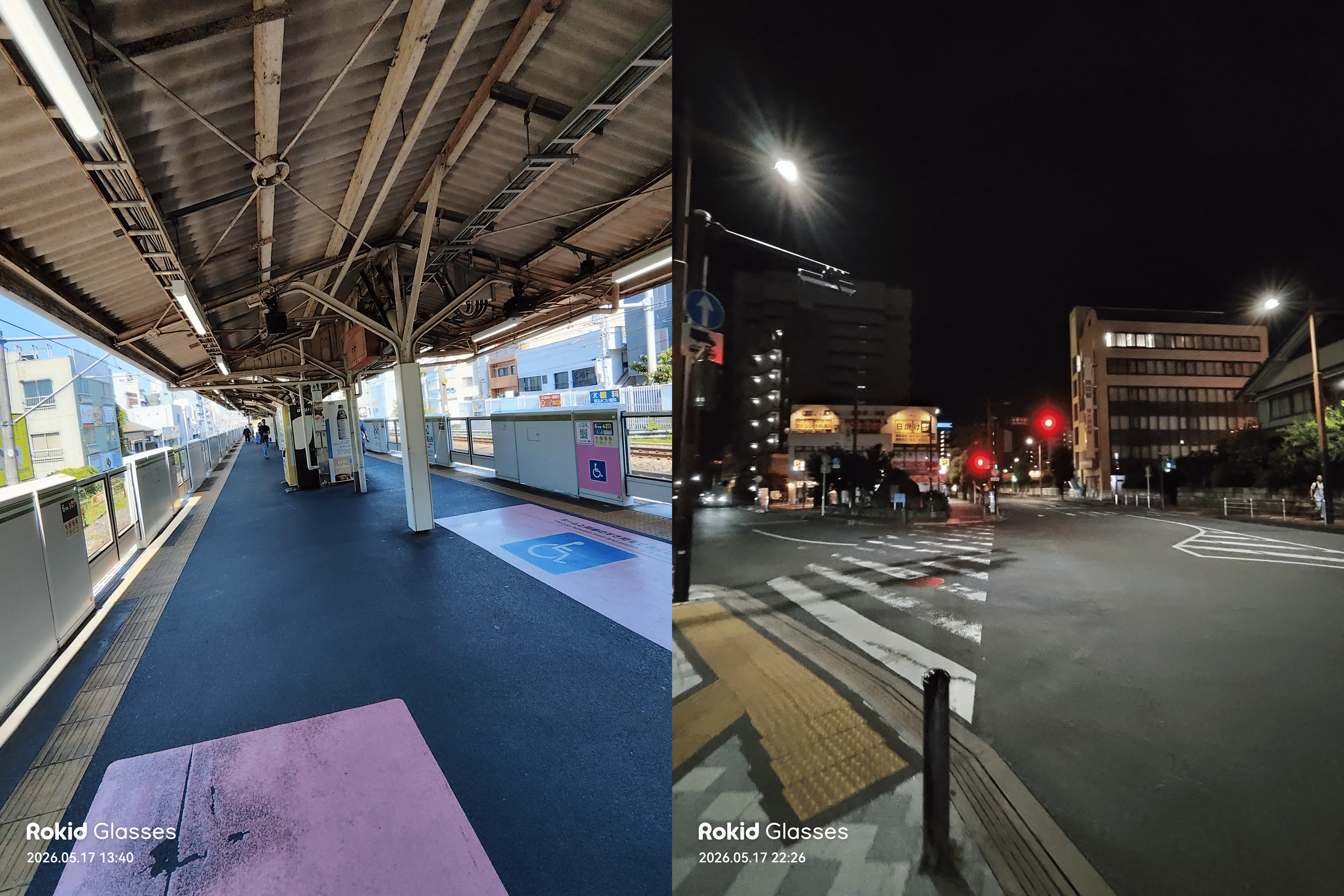
Even though AI questions did not become a habit, I valued taking casual snapshots naturally with Rokid. An existing photography use plus curiosity about camera AI is a reason to consider it. Knowing when you will use it makes a firmer purchase case than relying entirely on AI excitement.
 Rokid Glasses