
Buying guide
Can Rokid Glasses replace earphones? Sound leakage and everyday use
Audio near your ears can be convenient, but it did not replace earphones in my own routine.
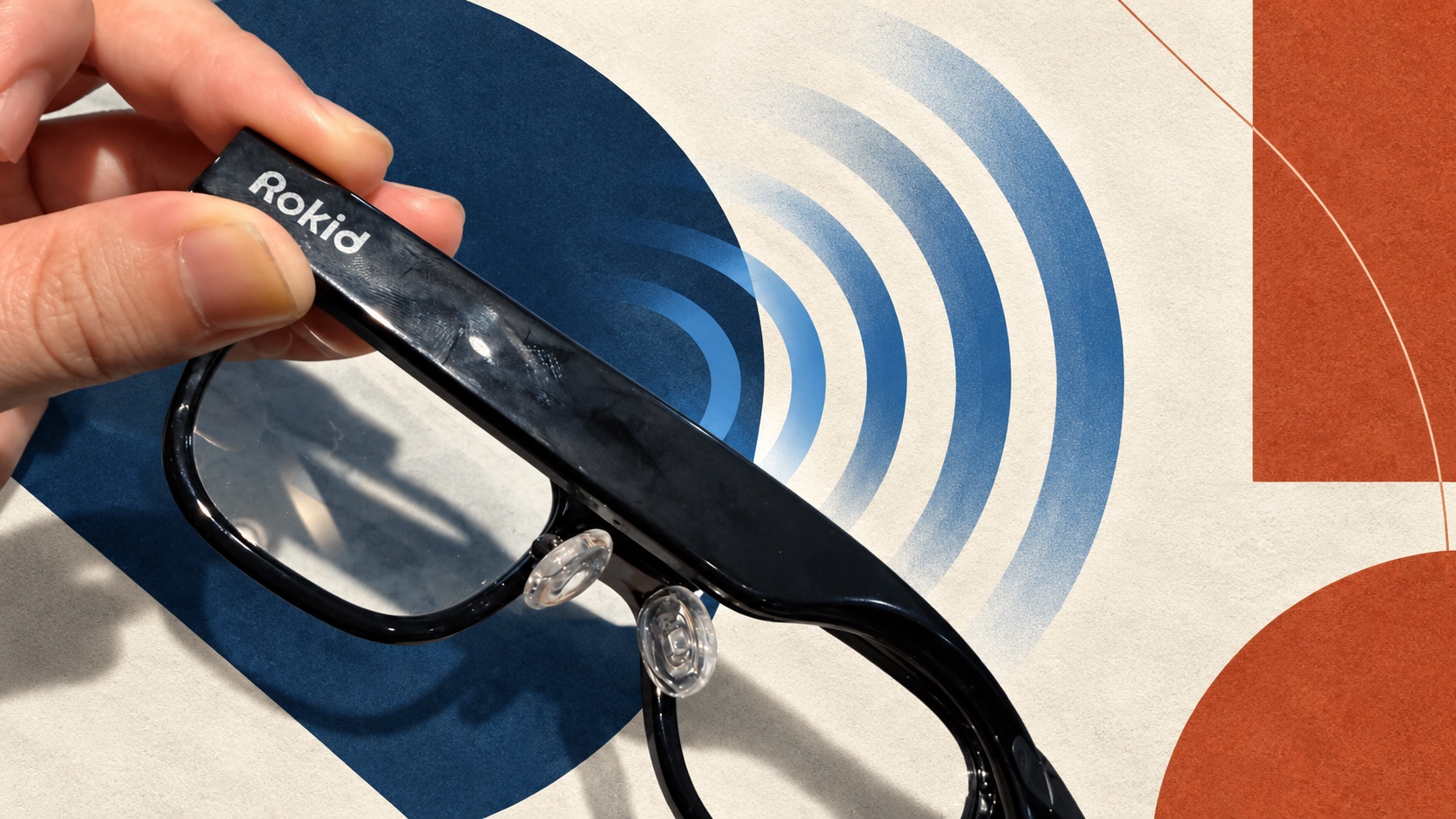
AI-assisted English translation of the author’s Japanese article. Product screenshots and embedded source material are reproduced in their original language. Read the Japanese original.
For me, Rokid Glasses was not a reason to give up earphones. Built-in audio was convenient, but sound leakage in quiet places and my existing earphone habits remained.
Hearing audio and feeling free to use it are different
With my unit, sound leakage was noticeable in a quiet room. I did not measure it, and impressions vary with volume and ambient noise. For my goal of listening to music on a train without worrying about others, earphones were easier to use.
For calls, I also preferred my usual AirPods Pro. That is not a universal verdict. Someone who wants brief audio without blocking their ears has different needs from someone listening to music for long periods.
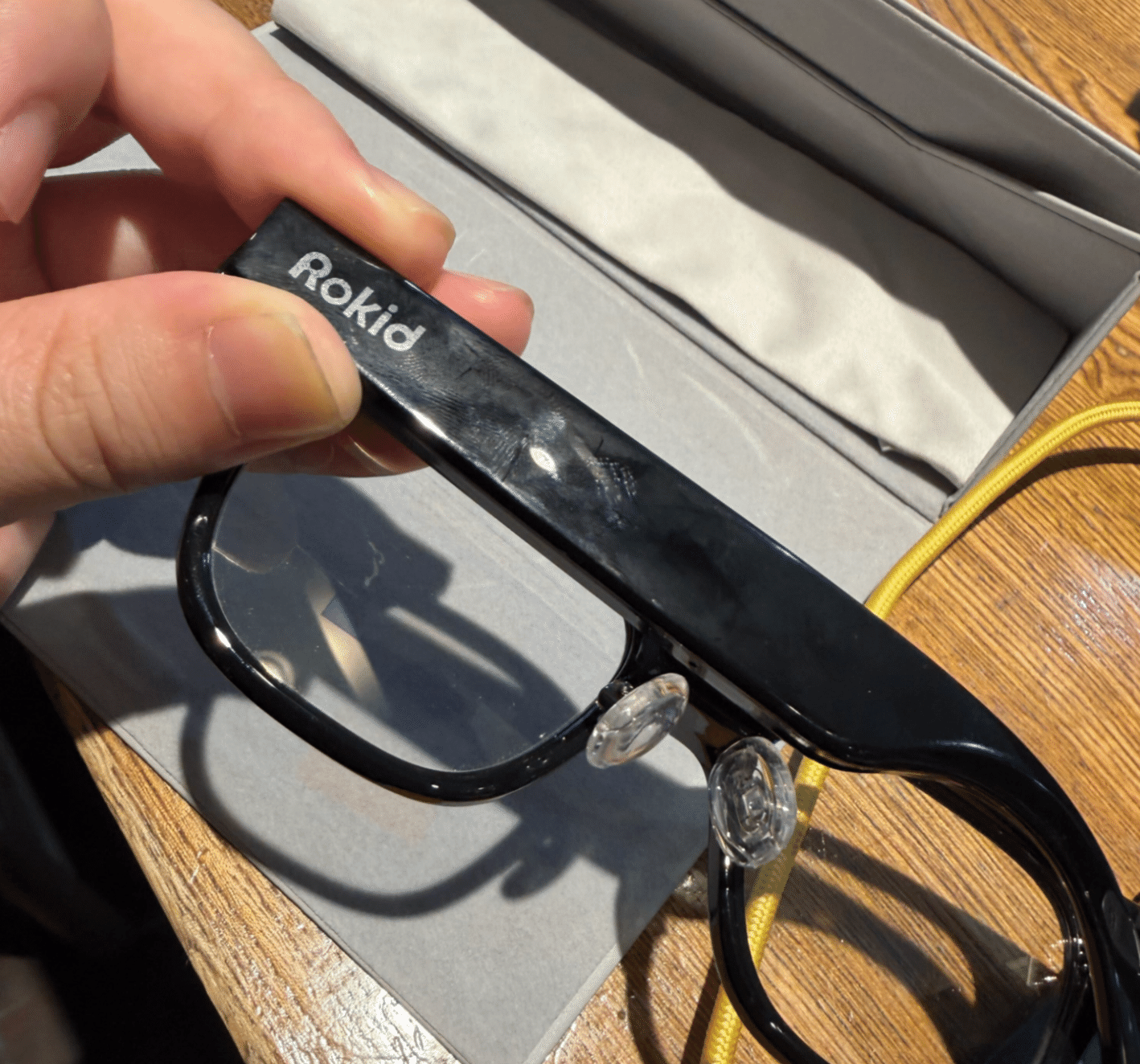
Sometimes reading an AI answer suits me better
Hearing an AI answer beside my ears was exciting initially. But when I could read it, that often felt quicker. Notifications were similar: Even G2’s visual output covered much of what I needed.
Controlling music playback on Rokid was useful. But if you already do that on your earphones, consider whether having it on your glasses is really a reason to buy.
Do you also want what the rest of the glasses offer?
If you also want photography and an in-view display, having brief audio alongside them makes sense. If music is your only goal, decide how you would use these versus earphones before buying. My conclusion was to split the roles rather than replace earphones entirely.
For those wanting to try photography, display and audio together, here is the Rokid Glasses listing. If possible, assess leakage in a quiet place before deciding.
 Even G2
 Rokid Glasses