
Comparison
Choosing smart glasses by charging method: Even, RayNeo, Rokid and INMO GO3
Return them to a case, attach a clip, connect a cable, or swap batteries. Comparing four charging methods and what you need to carry each day.
Impressions of Even G2, RayNeo iO and Rokid Glasses are based on the author’s existing reviews. INMO GO3 specifications are based on official information. Specifications and package contents checked on October 7, 2026.
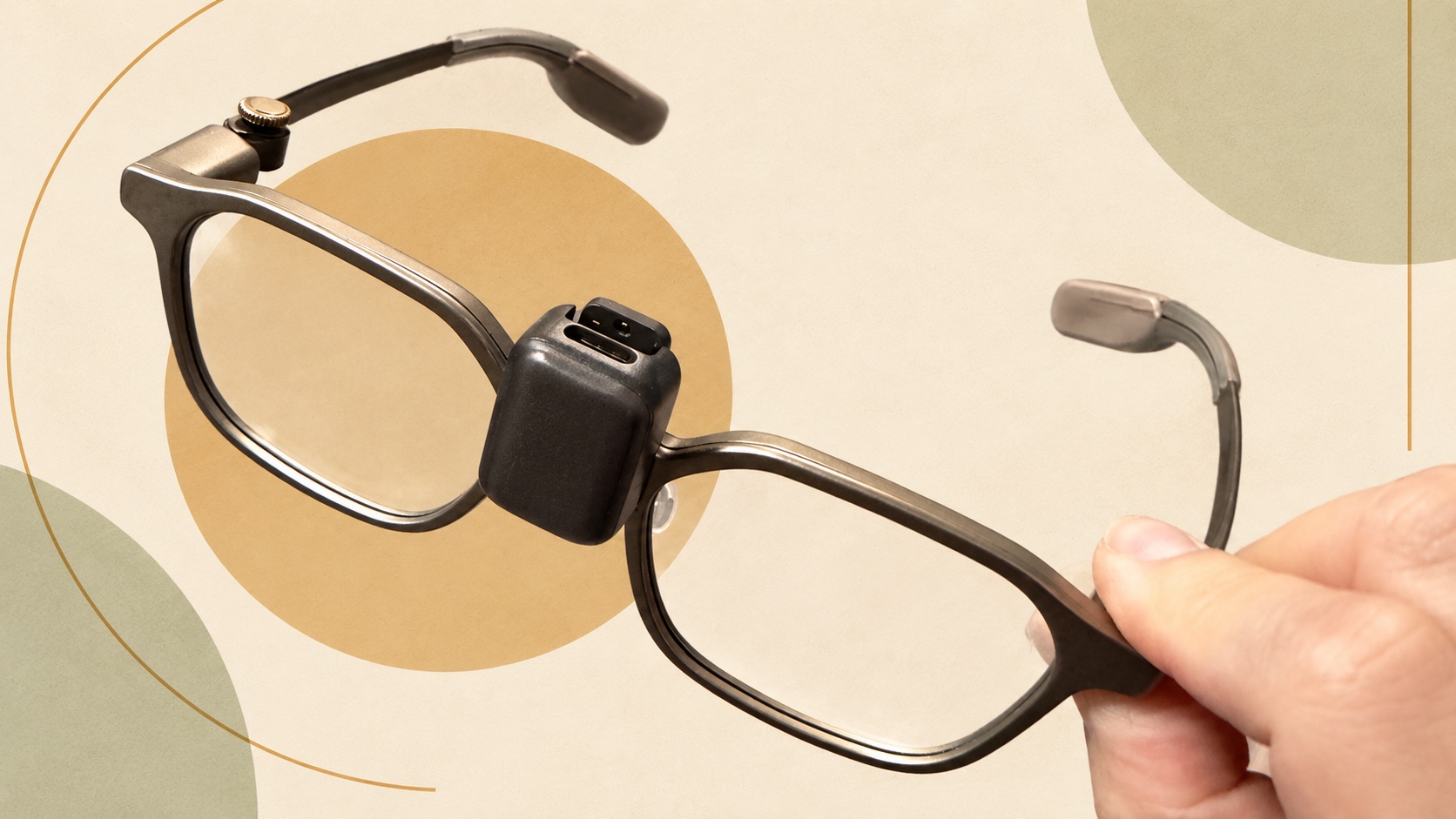
Charging smart glasses is about more than battery life. Where do you put them each night, and what do you carry when going out? Those differences shape everyday convenience. For me, Even G2 was the easiest at home, while RayNeo iO suited lighter travel. INMO GO3 takes another approach with replaceable batteries.
Four models, different things to carry for charging
| Model | Basic charging method | Required dedicated accessory | Case and included accessories |
|---|---|---|---|
| Even G2 | Fold the temples and align the contacts inside the case | Dedicated charging case | Case and USB-C cable included |
| RayNeo iO | Attach the clip to the bridge and connect USB-C | Dedicated charging clip | Clip included; an option with a charging case is also available |
| Rokid Glasses | Connect to the magnetic contacts at the end of the right temple | Dedicated charging cable | My purchase included a cable; the charging case was sold separately |
| INMO GO3 | Swap the removable battery | Replacement batteries and their charging case | All official bundles include two batteries and a charging case |
Scroll horizontally to compare the table.
Even and RayNeo information comes from their official package listings; INMO information comes from its international official store. Rokid reflects my purchase and review in May 2026. Accessories can vary by region and bundle, so check the set you order.
Even G2: its overnight home is also its charger
Putting the G2 away in its case also charges it. Returning it at night and taking it out in the morning meant I rarely thought about charging. When traveling, however, the dedicated case's size matters. Carrying only a USB-C cable does not let you charge the glasses directly.
The official instructions also require folding the temples and aligning the case contacts. You must remove the glasses to charge them. This feels natural if you take them off every night, but topping up during the day interrupts wearing them.
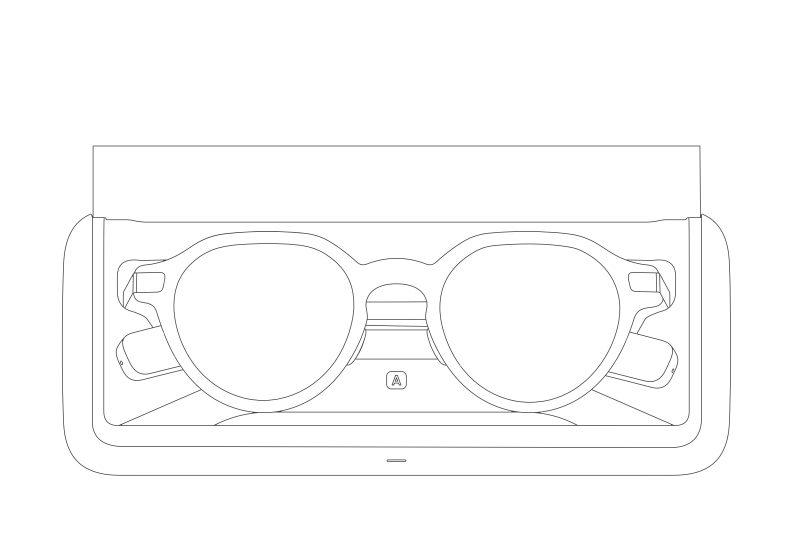
There was, however, a time when I appreciated the case battery: running translation continuously at WWDC. In my July 6 post, I said this was the first time I had used the case as a battery. Space I would prefer to use for R1 storage in daily life became useful on a day of continuous translation. That changes whether the case feels bulky or worth carrying.
July 6, 2026: the first time I used the case as a backup battery
RayNeo iO: carry a small clip instead of a case
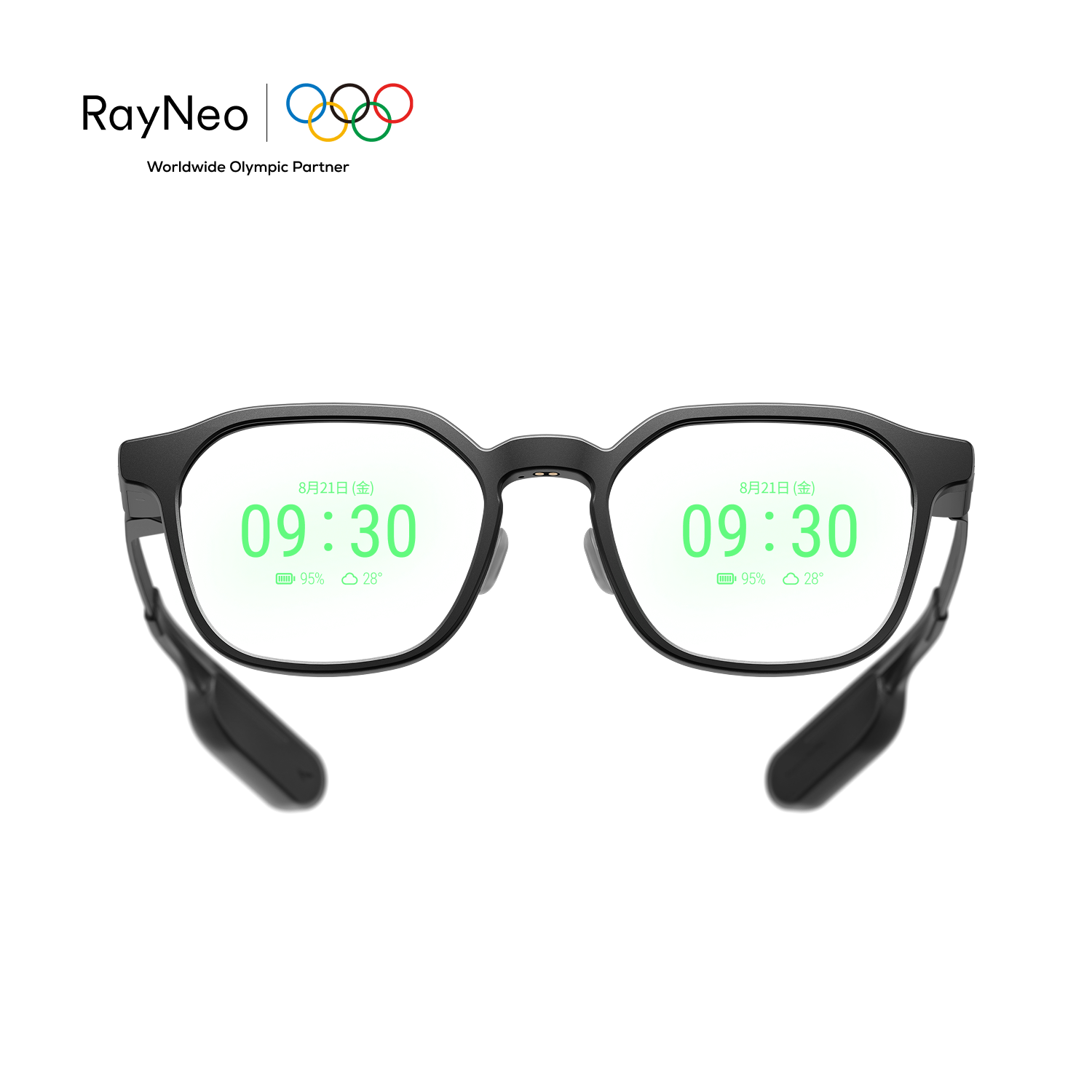
The iO uses a clip between the lenses, with USB-C connected on top. Its official weight is 5.2 g. I liked being ready to charge with just this small accessory. Making a charging case optional also makes sense to me.
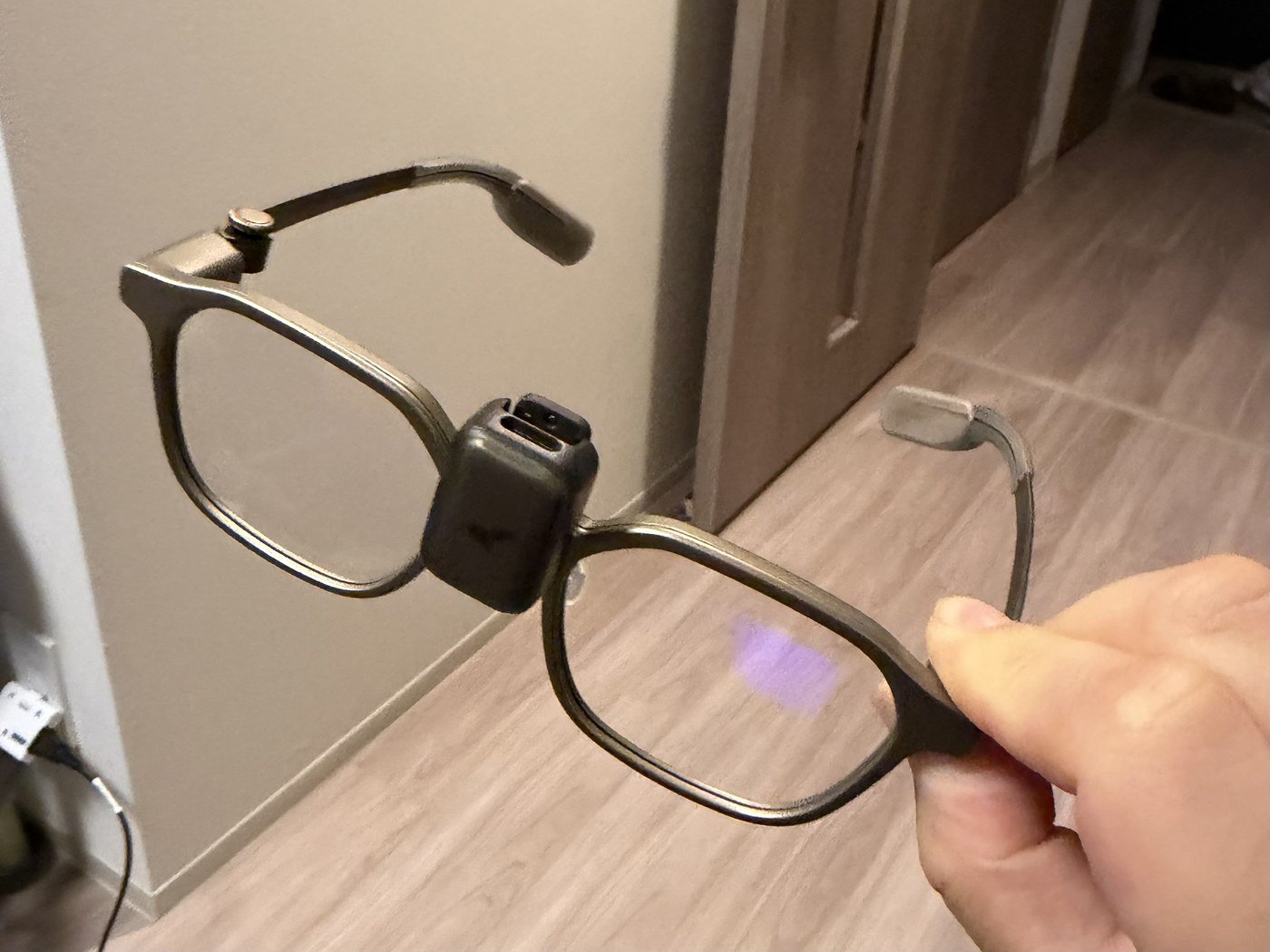
Small does not mean unnecessary. Forget the dedicated clip and you cannot charge even with a USB-C cable available. I have not tested comfort while wearing the glasses during charging, so I would not use that as a reason to buy.
Rokid Glasses: easy to connect, but give the cable a regular home
Rokid uses a dedicated cable that attaches magnetically to the end of the right temple. On my unit it held more firmly than expected. The current official accessory is also described as a dedicated adapter with three magnetic pins and a USB-C female port.
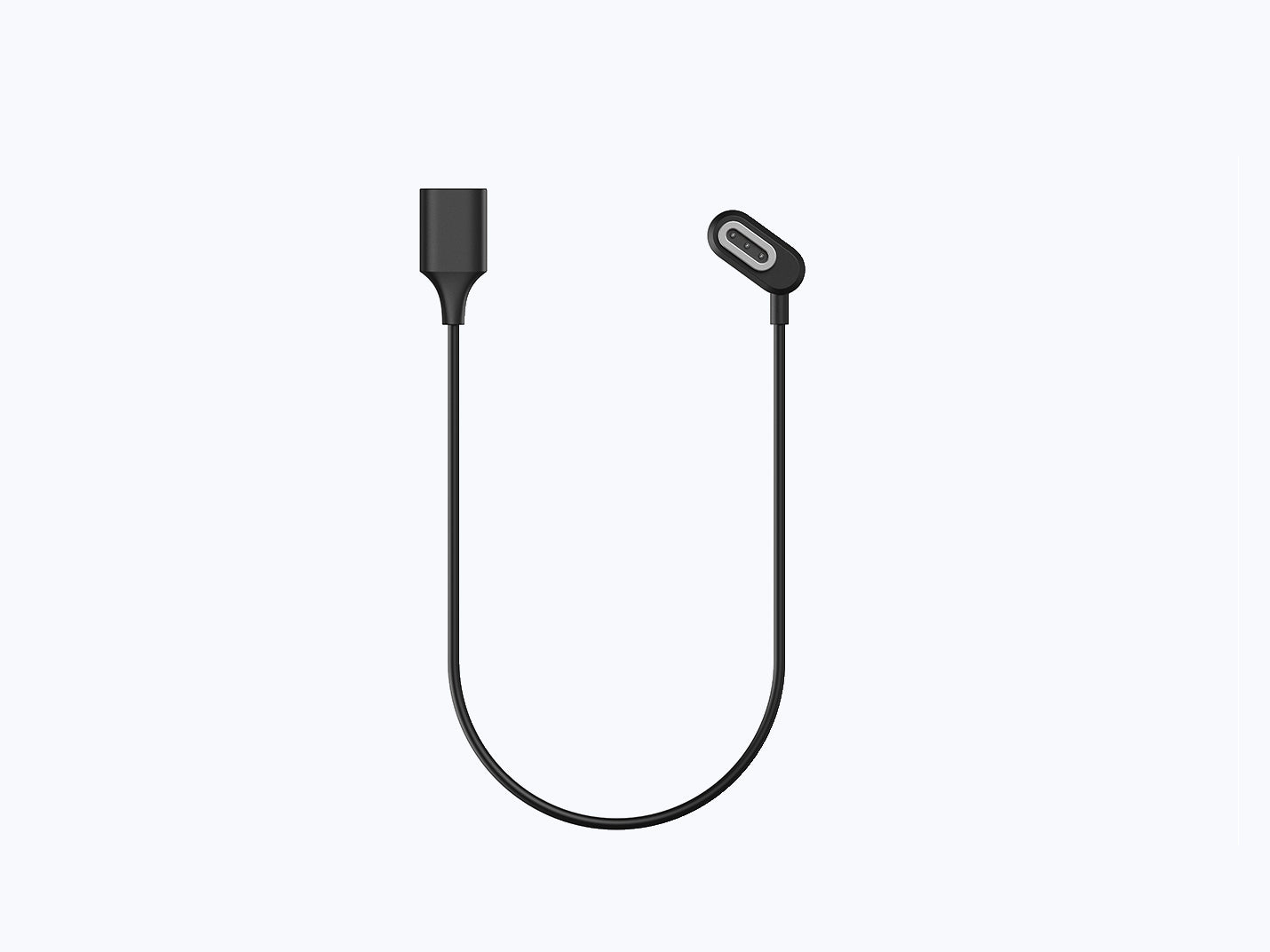
You do not need to carry a case, but with the default settings I found myself watching the remaining battery by evening. Keeping the cable in a regular place on a desk or in a bag and setting aside charging time seems sensible. A stable connection is different from being comfortable for regular use while charging; I have not tested the latter for extended periods.
INMO GO3: replace waiting for a charge with managing spare batteries
GO3 uses swappable batteries. Its official store includes two removable batteries and a portable charging case with every bundle. This case serves a different purpose from Even's case, which holds the entire pair of glasses.
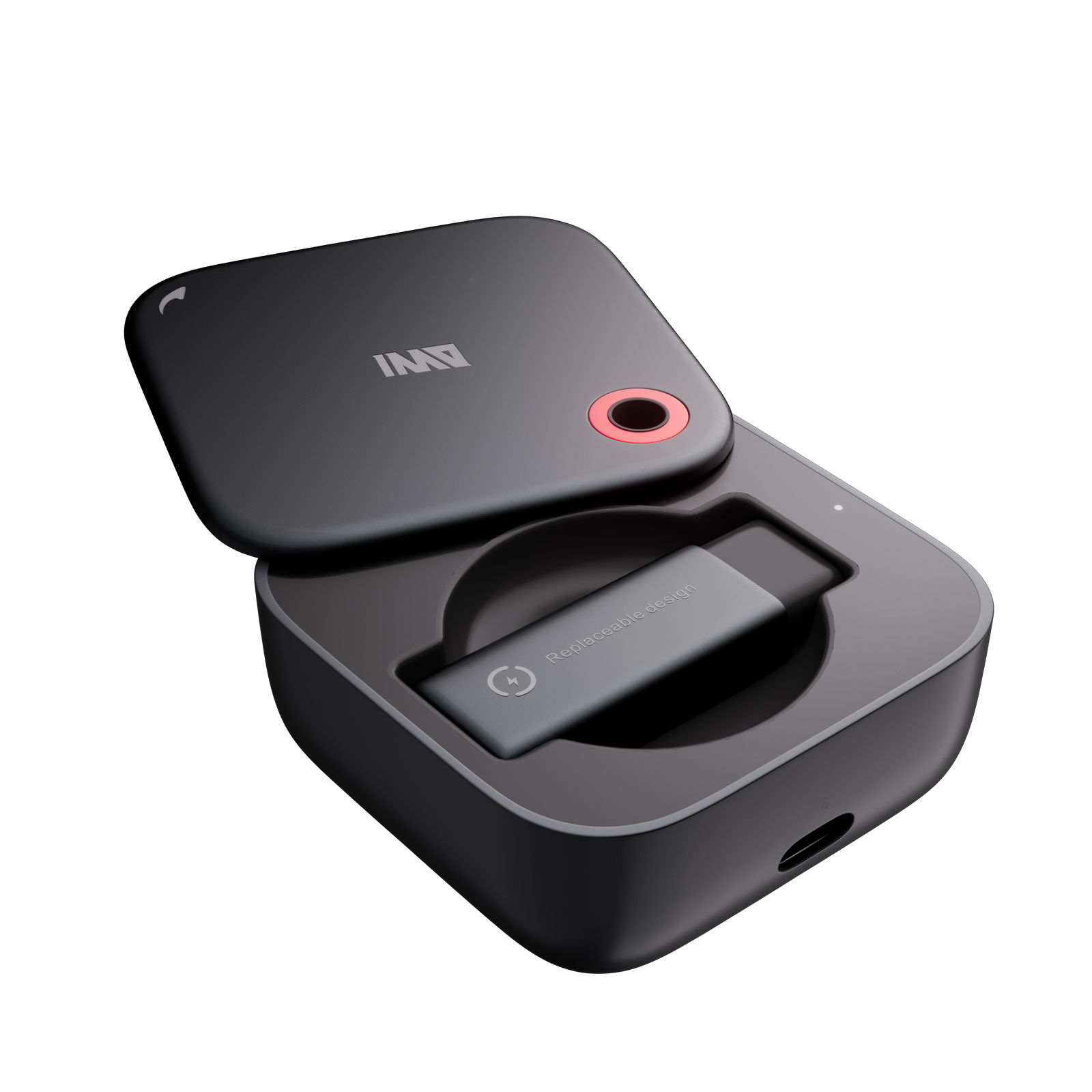
Switching to a charged spare could be attractive on long outings. You still need to keep the spare batteries charged.
I would start with when I can take my glasses off
If you always remove your glasses at night and the battery lasts through the day, Even's case is convenient. To reduce travel luggage, RayNeo offers a clip, while Rokid requires remembering its small dedicated cable. If you need to recover quickly from an empty battery during long use, GO3's swappable approach is worth considering. Looking at the dedicated accessories and when you can charge helps more than simply noting that all use USB-C.
 RayNeo iO
 Even G2
 Rokid Glasses
 INMO GO3