Global smart glasses countermeasures — where the side that stops them stands
Countermeasures against smart glasses first took a visible shape in South Korea as exam cheating countermeasures. But the moves to stop them are spreading beyond exams. An authority advises consumers not to buy, an eyewear chain stops selling, schools and live venues ban wearing them. The subject of countermeasures is no longer only exam organizers.
This feature arranges overseas countermeasures in four chapters: exams, regulation and sales, places that stop them, and the makers' responses. South Korea's and Japan's exam countermeasures are covered in detail in the existing exam feature. Here the aim is a map of the whole world, closing with an editorial that organizes how the means of stopping them have separated into four layers.
Exams: countries that make possession itself cheating, countries that build identification capacity
Japan changed how its ban is written, and South Korea added identification capacity and detectors. In Argentina, a retest ended with the national unified exam itself abolished. In China, detections occurred at a university exam and a driving licence exam, and reporting has summed up countermeasures at exam venues across Asia.
Identification manual preparation: we document, for each model, the identifying features (camera position, LED, charging port, weight, and so on), the criteria for requesting a check, and the escalation procedure for hard-to-judge cases, matched to the organizer's rules and operations
Identification training for exam invigilators: a 90-minute training session with real devices brought in, where participants touch and confirm the identifying features themselves. As with the training of Korea's identification officers, the experience of handling the real devices supports judgment on the day
Device appraisal: we verify the functions of the model in question and state its risk category (A, B, or C) and the grounds in writing. It serves as material for drafting the wording of the rules
For exam organizers and operating bodies. Fees are quoted individually according to the content. Consultations are also accepted before the content is settled. Contact: [email protected].
Case presentations and the details of our education and training are collected on the Smart Glasses Lab page.
Regulation and sales: the stage where authorities speak to consumers and shops
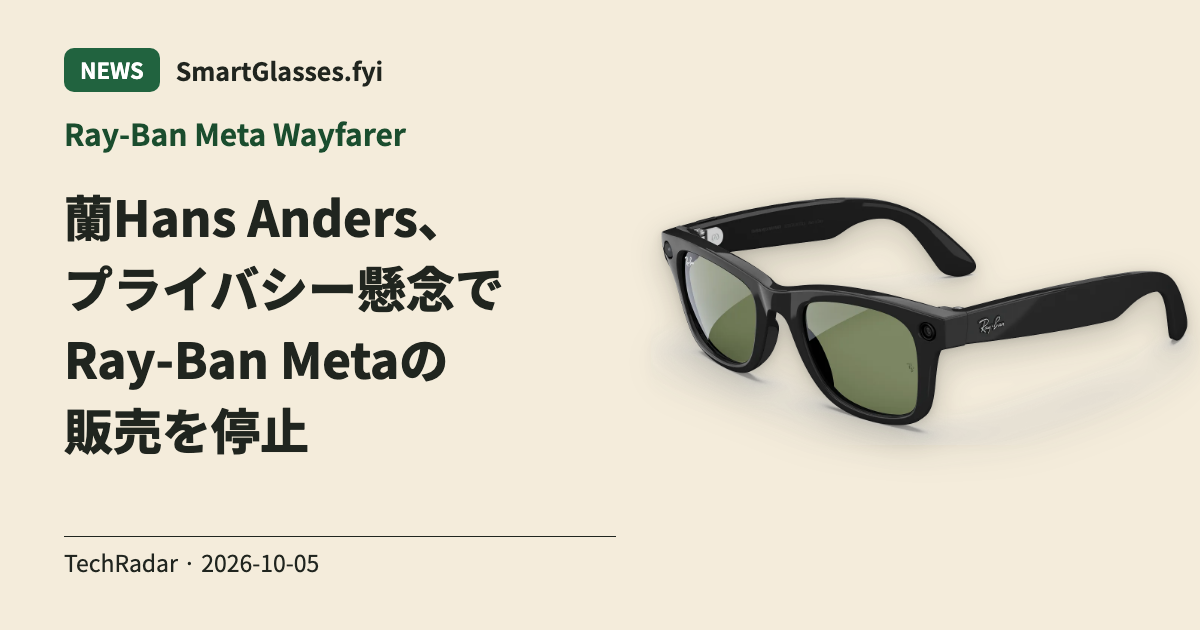
The Dutch privacy authority tested six models on sale itself and advised consumers not to buy. Alongside it stand the European data protection authorities' joint statement, Norway's proposed temporary ban, and the United Kingdom's consideration of restrictions. At the point of sale too, examples have appeared of sales being halted in response to investigations and concerns.
Places that stop them: schools, the military, venues
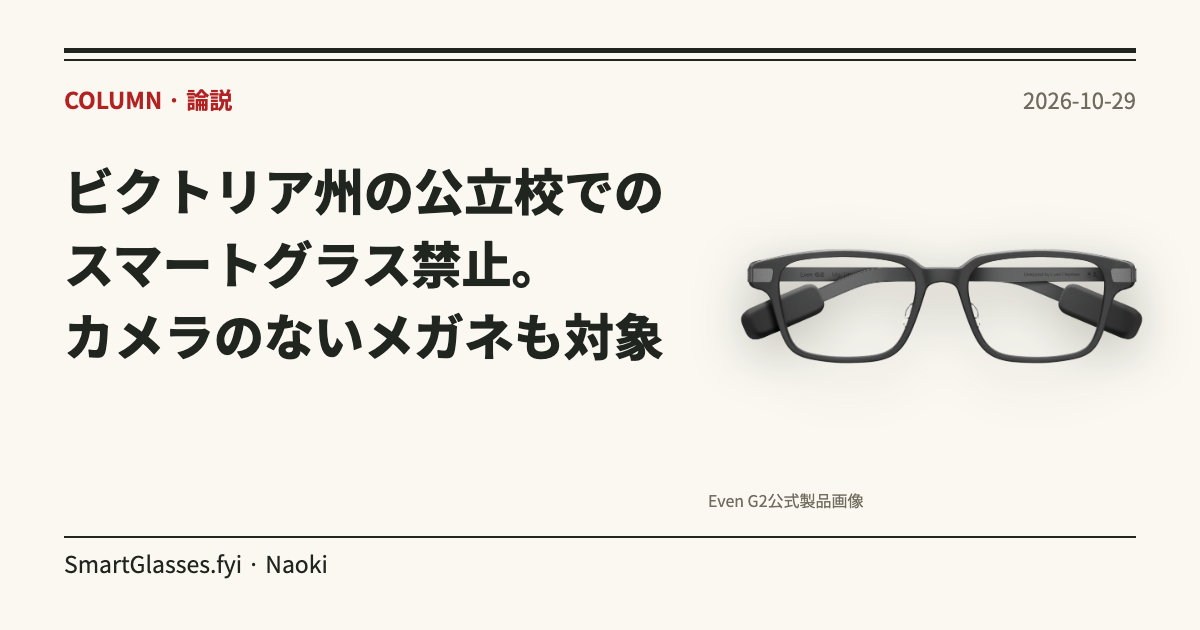
Schools, the military, live venues, parliaments. Venue managers are stopping wear through their own house rules. Australia's Victoria decided a ban in public schools, and in South Korea the ban spread from exam venues to the military and companies.
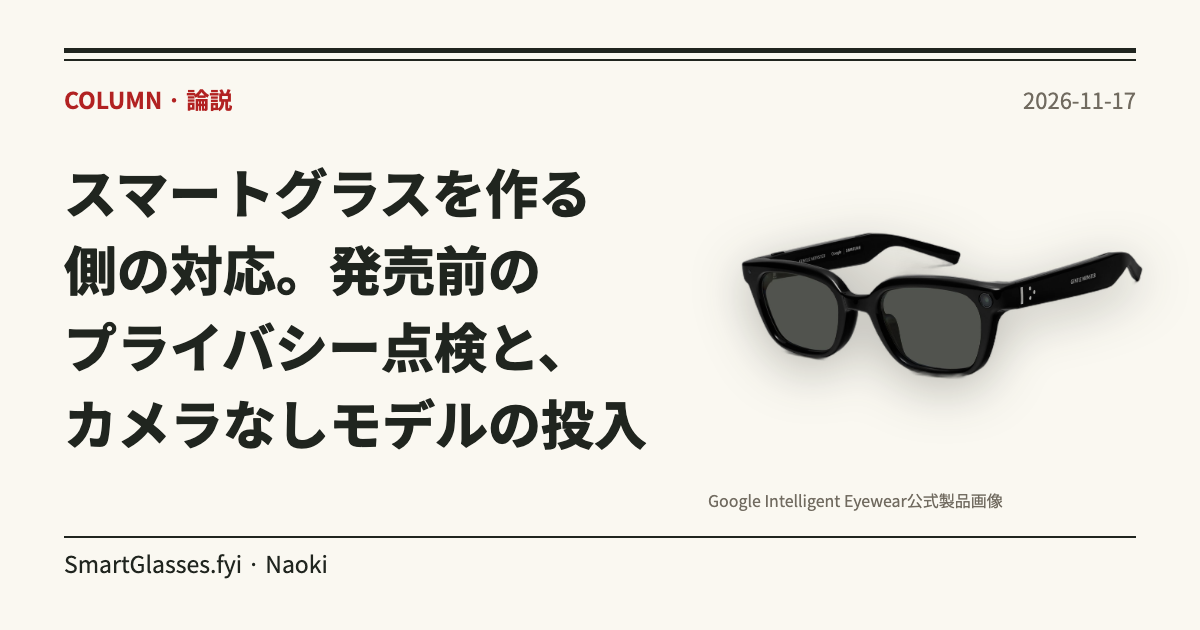
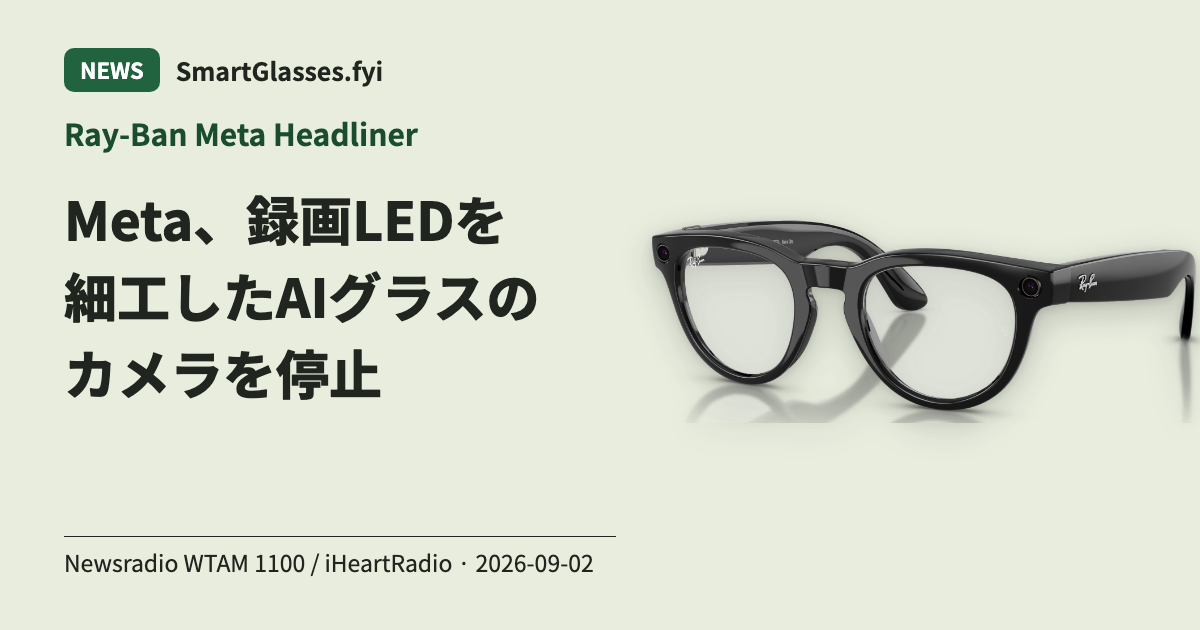
Against the moves to stop them, makers respond with pre-launch privacy reviews, disabling the cameras of glasses whose recording LED has been tampered with, and launching models without cameras.
Closing: the countermeasures have separated into four layers
The means of stopping them have separated into four layers: the wording of bans, identification capacity, detection technology, and exclusion from the market. The closing editorial rearranges each country's countermeasures by these layers.